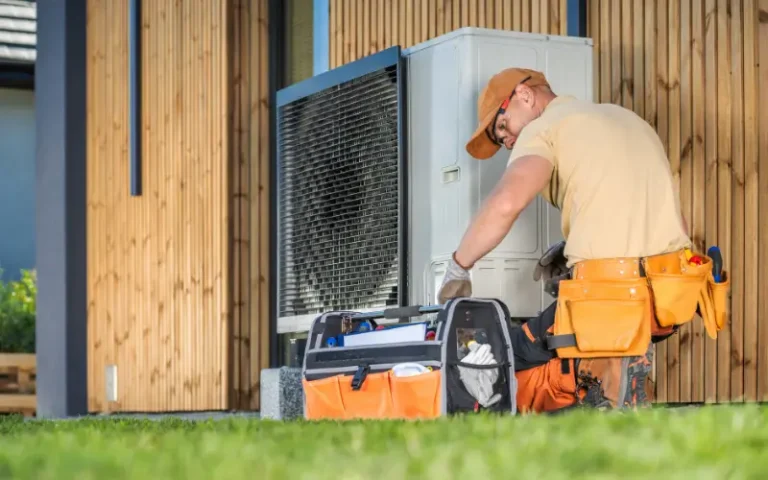

Maintaining your HVAC system isn’t just about ensuring comfort in your home or office; it’s also an investment in efficiency, cost savings, and the overall longevity of your equipment. Regular HVAC maintenance is essential to keep your heating and cooling systems operating at peak performance while reducing potential repair costs. Here, we’ll explore the key benefits of servicing your HVAC systems and how it can improve your energy efficiency, comfort, and bottom line.
Prolongs the Lifespan of Your HVAC System
HVAC systems are a significant investment, and like any major appliance, they perform best with proper care. Regular maintenance ensures that components such as filters, coils, and motors stay clean and functional, reducing wear and tear over time.
Reduces Wear and Tear
Over time, dust, dirt, and debris can accumulate within your HVAC system, causing components to work harder than necessary. Cleaning and inspecting these parts during routine maintenance help reduce strain on the system, ensuring smoother operation and extending the life of the equipment.
Prevents Major Failures
Regular inspections can identify small issues before they escalate into costly repairs or system breakdowns. For instance, a loose belt or a failing motor can be addressed early, avoiding more extensive damage to the system. This proactive approach keeps your system running longer.
Improves Energy Efficiency
An inefficient HVAC system can drive up your energy bills significantly. Routine maintenance helps your system operate at peak efficiency, saving you money in the long run.
Keeps Components Clean
Dirty coils and clogged filters force your HVAC system to work harder, consuming more energy in the process. Cleaning or replacing these components during regular service reduces energy consumption and improves airflow, leading to better efficiency.
Optimizes System Settings
During a maintenance check, technicians can adjust your thermostat settings, recalibrate controls, and ensure your system is balanced. This fine-tuning enhances the system’s overall efficiency and ensures consistent comfort throughout your home or business.
Reduces Energy Costs
Lower energy consumption translates directly into lower utility bills. A well-maintained HVAC system uses energy more effectively, meaning you’ll save on your monthly heating and cooling expenses.
Avoids Overworking the System
When HVAC components are in poor condition, the system works harder to achieve the desired temperature. This increased workload not only raises energy costs but also accelerates wear and tear. Regular maintenance helps the system function optimally, reducing operational costs.
Enhances Indoor Air Quality
The air you breathe indoors can significantly impact your health and well-being. A neglected HVAC system can circulate dust, allergens, and even mold throughout your home or workplace.
Ensures Clean Filters
Replacing or cleaning air filters is one of the simplest yet most effective ways to improve indoor air quality. Regular maintenance includes checking and replacing filters to ensure they trap harmful particles and pollutants effectively.
Removes Build-Up in Ducts
Over time, ducts can accumulate dust and debris, which may reduce airflow and distribute contaminants. Professional maintenance includes duct cleaning and inspection, ensuring that the air circulating through your home or office remains clean and healthy.
Prevents Costly Repairs
One of the most significant benefits of regular HVAC maintenance is the potential to save money on unexpected repairs. Small issues caught early can prevent major breakdowns that require expensive fixes.
Early Detection of Issues
During routine maintenance, technicians can spot minor problems such as refrigerant leaks, worn-out parts, or electrical issues. Addressing these problems early prevents them from becoming major concerns that could lead to a full system failure.
Extends the Life of Components
Regular servicing ensures that all parts of your HVAC system are functioning correctly, reducing the likelihood of premature wear and the need for replacements. This not only saves money but also minimizes disruptions to your comfort.
Promotes Consistent Comfort
A well-maintained HVAC system provides consistent heating and cooling, ensuring your home or workplace remains comfortable year-round.
Reduces Temperature Fluctuations
Systems that aren’t maintained may struggle to regulate temperature effectively, leading to hot or cold spots in your home. Regular maintenance ensures even airflow and temperature control throughout your space.
Keeps Humidity Levels in Check
HVAC systems also play a role in managing indoor humidity levels. Maintenance ensures that the system’s dehumidification components are working correctly, preventing issues like mold growth and excess moisture.
Supports Environmental Sustainability
An efficient HVAC system not only benefits your wallet but also reduces your environmental impact. By using less energy, you’re helping to conserve resources and lower greenhouse gas emissions.
Reduces Carbon Footprint
When your HVAC system operates efficiently, it consumes less energy, which directly reduces your carbon footprint. This is especially important for environmentally conscious homeowners and businesses.
Promotes Proper Disposal of Refrigerants
Regular maintenance includes checking refrigerant levels and ensuring any leaks are repaired. HVAC technicians are trained to handle and dispose of refrigerants properly, minimizing their impact on the environment.
Provides Peace of Mind
Finally, regular HVAC maintenance provides the peace of mind that comes with knowing your system is in good working order. You can rest easy knowing you’re prepared for any weather conditions, and you won’t be caught off guard by unexpected breakdowns.
Ensures Safety
Malfunctioning HVAC systems can pose safety risks, such as carbon monoxide leaks or electrical fires. Routine maintenance checks include safety inspections to protect your home or workplace from these potential hazards.
Offers Reliable Performance
Whether it’s the middle of winter or the height of summer, you want your HVAC system to perform reliably when you need it most. Regular maintenance ensures your system is ready to handle extreme temperatures without fail.
Conclusion
Investing in regular HVAC maintenance is a smart decision that pays off in numerous ways. From prolonging the lifespan of your system to improving energy efficiency, reducing costs, and enhancing comfort, the benefits are clear. Don’t wait for a breakdown to take action—schedule routine maintenance with a trusted HVAC professional today to ensure your system operates at its best for years to come.
Frequently Asked Questions
How often should I schedule HVAC maintenance?
HVAC maintenance is typically recommended twice a year—once in the spring for your cooling system and once in the fall for your heating system. This ensures your system is ready for peak usage during summer and winter.
What does regular HVAC maintenance include?
Routine maintenance includes cleaning or replacing air filters, inspecting and cleaning coils, checking refrigerant levels, testing electrical connections, lubricating moving parts, and ensuring the thermostat and other system controls are functioning properly.
Can I perform HVAC maintenance myself?
While some tasks like replacing filters or cleaning vents can be done by homeowners, professional maintenance is essential to address more complex issues like refrigerant levels, electrical connections, and system calibration. Hiring a certified technician ensures thorough and safe servicing.
How does HVAC maintenance improve energy efficiency?
Maintenance ensures that components like filters, coils, and ducts remain clean and functional, reducing strain on the system. This helps the HVAC unit operate at peak efficiency, which lowers energy consumption and utility bills.
What are the risks of neglecting HVAC maintenance?
Neglecting maintenance can lead to reduced efficiency, higher energy bills, frequent breakdowns, poor indoor air quality, and a shorter lifespan for your system. It may also increase the likelihood of costly repairs or system replacements in the long run.