
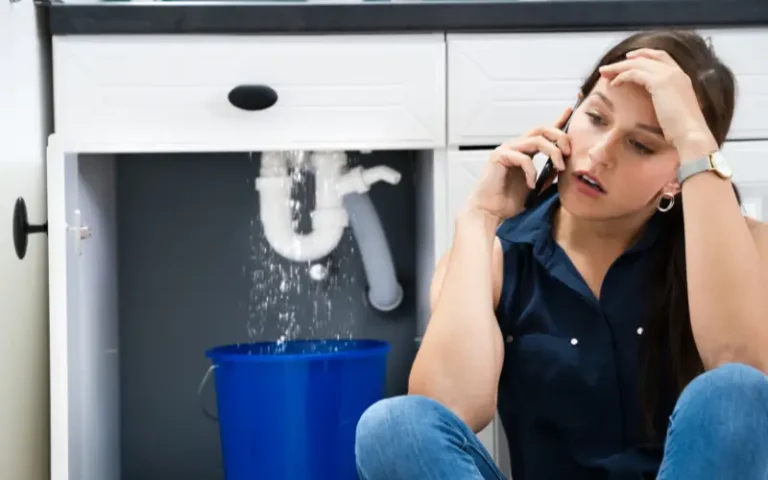

Plumbing issues can arise at any time, often leading to costly repairs and inconveniences. Being proactive in identifying potential problems and knowing how to prevent them can save you time and money. This article highlights common plumbing issues, their causes, and effective prevention methods.
Causes of Clogged Drains and Prevention Tips
Clogged drains are among the most frequent plumbing problems homeowners face. They can occur in sinks, showers, and toilets due to various reasons.
- Causes: Accumulation of hair, grease, soap scum, and foreign objects can obstruct water flow in pipes. Over time, these blockages can lead to foul odors and slow drainage.
- Prevention: Use drain strainers to catch debris before it enters the pipes. Avoid pouring grease or oil down the sink and regularly clean your drains using baking soda and vinegar.
Fixing and Avoiding Leaky Faucets
Leaky faucets are not just annoying; they waste water and increase utility bills.
- Causes: Worn-out washers, O-rings, or valve seats often cause leaks. Improper installation or corrosion may also lead to dripping faucets.
- Prevention: Regularly inspect faucets for wear and tear. Replace washers and O-rings promptly and ensure professional installation to avoid mishaps.
Handling and Preventing Pipe Leaks
Pipe leaks can lead to water damage and increased water bills if not addressed immediately.
- Causes: Corrosion, high water pressure, and freezing temperatures can weaken pipes, causing cracks and leaks.
- Prevention: Insulate pipes during cold seasons to prevent freezing. Regularly check for signs of corrosion and maintain moderate water pressure to avoid undue stress on pipes.
Dealing with Low Water Pressure
Low water pressure can disrupt your daily activities, making simple tasks like showering or washing dishes frustrating.
- Causes: Mineral buildup in pipes, leaks, or issues with the municipal water supply can reduce water pressure.
- Prevention: Install a water softener to prevent mineral buildup and clean faucet aerators regularly. Address any leaks promptly to maintain optimal water pressure.
Preventing Toilet Blockages
Toilet blockages can be messy and unpleasant, often requiring immediate attention.
- Causes: Flushing non-flushable items like wipes, sanitary products, or excessive toilet paper can clog the pipes.
- Prevention: Educate household members about what can and cannot be flushed. Use a plunger regularly to maintain clear pathways in your plumbing system.
Avoiding Water Heater Problems
Hot water is essential for daily tasks, making a malfunctioning water heater a major inconvenience.
- Causes: Sediment buildup, faulty thermostats, and worn-out components can lead to water heater issues.
- Prevention: Flush your water heater annually to remove sediment. Schedule regular maintenance and replace old parts to keep the system running efficiently.
Recognizing and Preventing Sewer Line Backups
Sewer line backups can cause significant damage and create health hazards in your home.
- Causes: Tree roots infiltrating pipes, grease buildup, and debris can obstruct the main sewer line.
- Prevention: Avoid planting trees near sewer lines and never pour grease down the drain. Schedule professional sewer line inspections and cleanings to keep the system clear.
Stopping Running Toilets
A running toilet can waste hundreds of gallons of water per day, increasing your water bill unnecessarily.
- Causes: Faulty flapper valves or issues with the float mechanism are common culprits.
- Prevention: Regularly inspect and replace worn-out toilet components. Adjust the float mechanism to ensure proper water levels in the tank.
Protecting Against Water Damage
Water damage can result from leaks, burst pipes, or excessive moisture, leading to costly repairs and health risks.
- Causes: Plumbing failures, roof leaks, and poor drainage systems contribute to water damage.
- Prevention: Install a sump pump in flood-prone areas and ensure gutters are clear of debris. Conduct routine plumbing inspections to identify and fix potential leaks early.
Importance of Regular Plumbing Maintenance
Routine maintenance can help identify minor issues before they become major problems.
- Benefits: Regular inspections and timely repairs reduce the risk of emergencies and extend the lifespan of your plumbing system.
- Tips: Schedule professional plumbing check-ups annually. Monitor water bills for unexplained increases, as this may indicate a hidden leak.
Conclusion
Plumbing issues can disrupt your daily life, but most problems are preventable with proper care and maintenance. By understanding common causes and following these prevention tips, you can maintain a well-functioning plumbing system and avoid unexpected expenses.
For expert advice or professional assistance, contact a trusted plumbing contractor to keep your home’s plumbing in top condition.
Frequently Asked Questions
What are the main causes of clogged drains?
Clogged drains are typically caused by the accumulation of hair, grease, soap scum, and foreign objects in pipes. These blockages can lead to slow drainage and unpleasant odors.
How can I prevent leaky faucets from wasting water?
To prevent leaky faucets, regularly inspect them for wear and tear. Replace worn-out washers and O-rings promptly, and ensure proper installation to avoid leaks.
What should I do to prevent pipe leaks in the winter?
During the colder months, insulate pipes to prevent freezing. Check for signs of corrosion, and maintain moderate water pressure to reduce the risk of leaks caused by high pressure or freezing temperatures.
How can I improve low water pressure in my home?
To address low water pressure, install a water softener to prevent mineral buildup, regularly clean faucet aerators, and promptly repair any leaks in the plumbing system.
What can I do to avoid water damage from plumbing issues?
To prevent water damage, install a sump pump in flood-prone areas, keep gutters clear of debris, and conduct routine plumbing inspections to identify and fix leaks early.


