
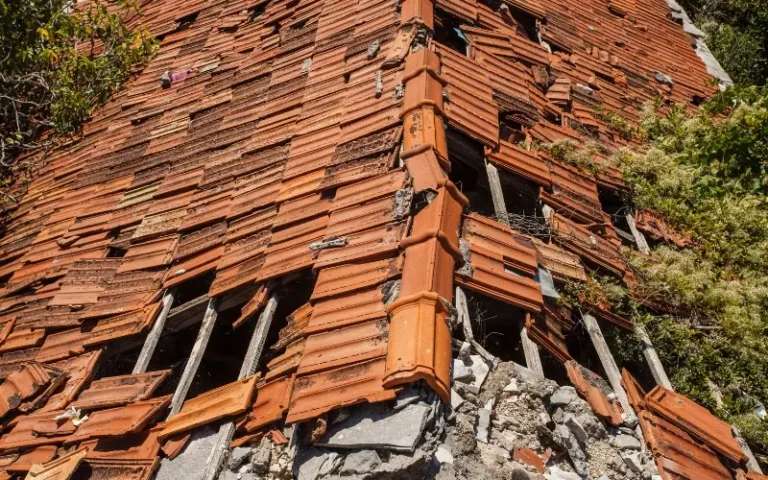

A well-maintained roof is vital for protecting your home from the elements. However, roof damage can occur over time due to weather, age, and other factors. Identifying potential issues early can save you from costly repairs and maintain the integrity of your home. Here are the key warning signs homeowners should watch for to spot roof damage before it becomes a major issue.
Signs of Roof Damage You Should Never Ignore
Missing or Damaged Shingles
Shingles act as the first line of defense against rain, wind, and sun. Missing or cracked shingles expose your roof to water damage and leaks. Inspect your roof regularly, especially after storms, to check for:
- Shingles that are curled, cracked, or completely missing
- Granule loss, which leaves dark patches on your shingles
Water Stains on Ceilings and Walls
Water stains or discoloration on interior walls and ceilings often indicate a leaky roof. These signs suggest moisture is penetrating your roofing system and could lead to structural damage or mold growth if not addressed.
Sagging Roof Areas
A sagging roof is a serious red flag that may indicate underlying structural issues. This can be caused by water pooling, damaged support beams, or excessive weight on the roof.
What to Look for During an Exterior Inspection
Damaged Flashing
Flashing is used to seal roof edges, valleys, and areas around chimneys or vents. Over time, flashing can corrode or become loose, allowing water to seep into your home. Look for:
- Rusted or cracked flashing
- Gaps between the flashing and roofing material
Debris in Gutters
Check your gutters for roofing debris, such as shingle granules or pieces of roofing material. Excessive debris could mean your roof is deteriorating faster than expected.
Common Weather-Related Roof Issues
Hail Damage
Hail can cause dents and cracks in shingles, weakening your roof’s ability to protect your home. After a hailstorm, inspect your roof for signs of impact or consult a roofing contractor for a professional assessment.
Wind Damage
Strong winds can lift shingles, exposing the underlayment to moisture. Keep an eye out for loose or missing shingles after high winds.
Preventative Maintenance Tips for Homeowners
Schedule Regular Roof Inspections
Professional roof inspections can catch minor issues before they escalate. Aim for at least one inspection annually and after severe weather events.
Keep Your Roof Clean
Debris such as leaves, branches, and moss can trap moisture on your roof, leading to rot and decay. Regularly clear your roof to prevent this buildup.
Trim Overhanging Trees
Overhanging branches can scratch roofing materials and drop debris onto your roof. Trim these branches to minimize the risk of damage.
When to Call a Roofing Contractor
If you notice any of the warning signs mentioned above, contact a professional roofing contractor immediately. Delaying repairs can lead to more extensive damage and higher costs.
Benefits of Hiring a Professional
- Expertise in identifying and fixing various roofing issues
- Access to high-quality materials and tools
- Safe and efficient repairs
Final Thought
Your roof plays a crucial role in safeguarding your home and family. By keeping an eye out for early warning signs of damage and addressing issues promptly, you can extend the lifespan of your roof and avoid costly repairs. Stay proactive with regular maintenance and inspections, and don’t hesitate to seek professional help when needed.
Frequently Asked Questions
What are the most common signs of roof damage?
Common signs include missing or cracked shingles, water stains on ceilings and walls, sagging roof areas, and damaged flashing. Regular inspections can help spot these early.
How often should I inspect my roof?
It’s recommended to inspect your roof at least once a year and after severe weather events to catch potential issues early.
Can I inspect my roof myself, or should I hire a professional?
While you can perform basic inspections, hiring a professional ensures a thorough evaluation and identification of hidden issues.
How does weather impact roof damage?
Weather events like hail and strong winds can damage shingles, flashing, and other roof components, increasing the risk of leaks and structural issues.
When should I call a roofing contractor?
If you notice warning signs such as water stains, sagging areas, or significant shingle damage, contact a professional contractor immediately to prevent further deterioration.


