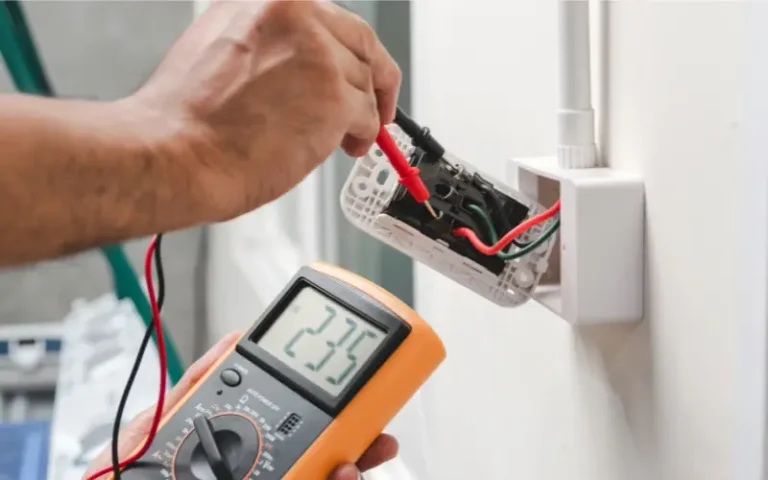

Upgrading your home’s electrical system is crucial for maintaining safety and efficiency, especially in older homes. Electrical systems deteriorate over time, and modern appliances demand more power than older wiring and panels were designed to handle. Whether you’re renovating or preparing for the future, here’s a comprehensive guide on how to safely modernize your electrical system with expert advice.
Understanding the Importance of Electrical Upgrades
Old wiring and electrical panels can pose serious hazards. When outdated systems cannot support new technology or meet modern electrical demands, the risk of electrical fires, power surges, and system failures increases. Upgrading your electrical system not only enhances safety but can also improve the efficiency and value of your home.
Why Upgrade Your Electrical System?
- Increased Load Capacity: Modern appliances and gadgets require more electricity, making older systems insufficient.
- Safety Compliance: Newer systems are designed to comply with current safety standards and regulations.
- Avoid Electrical Fires: Faulty or outdated wiring is a leading cause of electrical fires in homes.
- Boost Property Value: An updated electrical system can be an attractive selling point.
Steps for Safely Upgrading Your Electrical System
Upgrading your electrical system is not a DIY project. It’s essential to hire a licensed electrical contractor to ensure the work is done safely and up to code. Below are the critical steps involved in modernizing your home’s electrical system.
Conduct a Comprehensive Electrical Inspection
Before any upgrade, a thorough inspection of your current system is necessary. This will identify any existing issues, such as outdated wiring, overloaded circuits, or faulty outlets.
- Check Wiring: Look for old, worn-out wires, especially those made from aluminum. Copper wiring is more reliable and safe.
- Inspect Outlets and Switches: Make sure there are no scorch marks or signs of overuse.
- Assess Circuit Breakers: Ensure your circuit breakers are correctly rated for modern electrical loads.
Upgrade the Electrical Panel
One of the most critical components of your electrical system is the panel, where electricity is distributed to different circuits in your home. Older panels may not be able to handle modern electrical demands, leading to frequent breaker trips or even electrical fires.
Signs You Need a Panel Upgrade:
- Your home’s electrical panel is over 20 years old.
- Circuit breakers trip often or fail to reset.
- You’re planning to add large appliances (e.g., air conditioners, electric stoves).
- The panel has fuses rather than circuit breakers.
Upgrading your electrical panel will ensure that you have sufficient capacity to handle your home’s electrical load.
Replace Outdated Wiring
In many older homes, wiring might be made of materials like knob-and-tube or aluminum, which are no longer deemed safe by modern standards.
What to Do:
- Knob-and-Tube Wiring: This type of wiring was commonly used before the 1960s. It poses a fire hazard and cannot handle modern electrical loads. Replace it with new copper wiring.
- Aluminum Wiring: Aluminum can overheat and cause fires if it’s not properly maintained. It should be replaced with copper or specially rated aluminum wiring.
Install Ground Fault Circuit Interrupters (GFCIs) and Arc Fault Circuit Interrupters (AFCIs)
GFCIs and AFCIs are advanced safety devices that protect against electrical shock and fire.
- GFCIs: These devices detect ground faults and immediately cut power to prevent electrocution, especially in wet areas like kitchens and bathrooms.
- AFCIs: AFCIs detect arc faults, which are electrical discharges that can lead to fires. Installing AFCIs is especially important for bedrooms, hallways, and living spaces.
Rewire for Modern Needs
Homes today need more power for everything from home theaters to high-efficiency kitchen appliances. It’s important to ensure that your wiring is up to the task. Electrical contractors can install dedicated circuits for large appliances like refrigerators, microwaves, and dishwashers to ensure proper power distribution.
Consider Future-Proofing:
- Smart Home Integration: If you plan to integrate smart home technology, ensure that your system can handle smart devices.
- Electric Vehicle (EV) Charging: If you own an electric vehicle or plan to in the future, installing a dedicated charging circuit is crucial.
Common Challenges in Electrical Upgrades
While upgrading your electrical system can improve your home’s safety and functionality, there are some common challenges homeowners may face.
Permits and Code Compliance
Electrical work often requires permits, and the upgrades must comply with local building codes. Your electrical contractor should be familiar with local regulations and handle the necessary permits for you.
Dealing with Hidden Wiring
In older homes, wires are often hidden behind walls or under floors, making access difficult. Your electrical contractor may need to open walls or floors to replace old wiring, which can be time-consuming and costly.
Costs of Upgrades
Upgrading an electrical system can be a significant investment. However, the cost is generally outweighed by the long-term safety and efficiency benefits. Costs can vary depending on your home’s size, the complexity of the work, and the materials required.
When to Hire an Electrical Contractor
While some minor electrical tasks can be done by DIYers, upgrading the entire electrical system requires professional expertise. Here are a few signs it’s time to hire an electrical contractor:
- You notice tripped breakers or flickering lights.
- Your home has frequent power surges.
- Your electrical panel is outdated.
- You’re unsure of the age or condition of your wiring.
- You need to add new circuits or outlets.
Conclusion
Upgrading your home’s electrical system is essential for both safety and modern living. By addressing old wiring, outdated panels, and installing necessary safety devices like GFCIs and AFCIs, you can protect your home from potential hazards and improve your overall energy efficiency. Always hire a licensed electrical contractor to ensure the work is done properly and in compliance with current codes.
By following these steps, you can enjoy peace of mind knowing your electrical system is up to the demands of modern life, providing a safe and efficient environment for you and your family.
Frequently Asked Questions
What are the signs that my electrical panel needs an upgrade?
If your electrical panel is over 20 years old, frequently trips circuit breakers, or has fuses instead of breakers, it may need an upgrade. Upgrading ensures your system can handle modern electrical demands and improve safety.
Why is it important to replace old wiring?
Old wiring, especially knob-and-tube or aluminum wiring, poses fire hazards and cannot handle modern electrical loads. Replacing it with copper or modern materials ensures safety and allows your home to support current electrical demands.
How do GFCIs and AFCIs improve electrical safety?
Future-proofing involves ensuring your system can handle the increasing demand for electricity, such as through smart home integration or electric vehicle charging. Installing dedicated circuits for high-power appliances and upgrading panels can help meet future needs.
How can I future-proof my electrical system?
Future-proofing involves ensuring your system can handle the increasing demand for electricity, such as through smart home integration or electric vehicle charging. Installing dedicated circuits for high-power appliances and upgrading panels can help meet future needs.
What challenges should I expect during an electrical upgrade?
Upgrading an electrical system can involve challenges such as obtaining permits, ensuring compliance with local codes, and dealing with hidden wiring. Accessing old wiring can also be time-consuming and costly, but the long-term benefits make the investment worthwhile.