Energy efficient home improvements are one of the smartest ways to make your living space more comfortable while reducing the amount of energy your home consumes every day. From better insulation to smarter appliances, these upgrades help homeowners create a healthier, more sustainable environment without sacrificing comfort. In this guide, we will walk through the most effective improvements you can make, why they matter, and how to approach your project the right way.
What Are Energy Efficient Home Improvements
Energy efficient home improvements refer to any upgrade or change made to a home that reduces energy waste and improves overall performance. These changes can be as simple as switching a light bulb or as involved as replacing an entire heating system. The goal is always the same. Use less energy while maintaining or improving comfort.
Homeowners often assume these improvements require major renovations. In reality, many small changes can add up to significant results over time.
Why Energy Efficient Home Improvements Matter
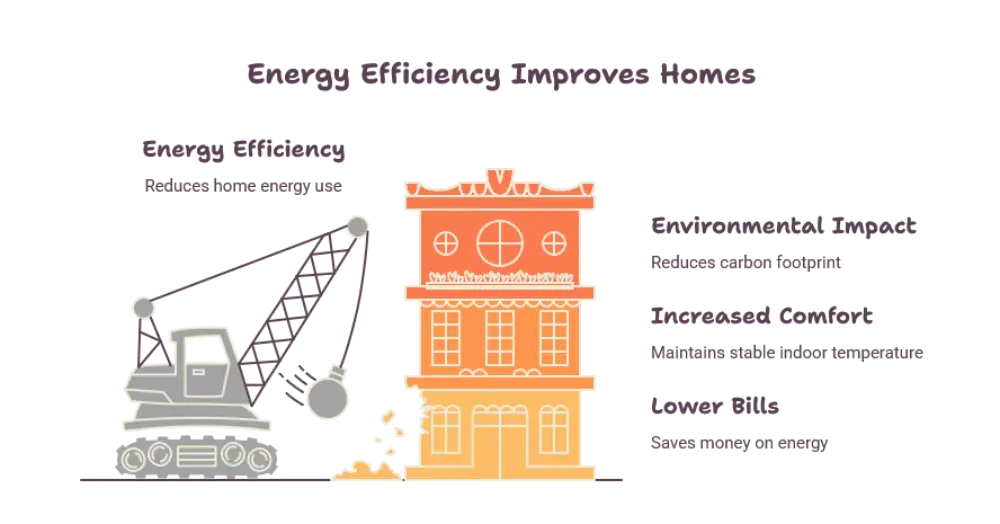
Making your home more efficient is not just a trend. It is a practical step toward a more comfortable and responsible way of living.
Environmental Benefits
Reducing energy consumption means less strain on power grids and fewer emissions being released into the atmosphere. Every improvement, no matter how small, contributes to a cleaner environment.
Comfort and Health Benefits
An energy efficient home tends to have more consistent indoor temperatures, better air quality, and fewer drafts. This creates a more pleasant living space for everyone in the household.
Best Energy Efficient Home Improvements for Every Homeowner
There are several proven improvements that homeowners can consider, depending on their goals and the age of their home.
Upgrade Your Insulation
Proper insulation keeps warm air inside during winter and outside during summer. Attics, walls, and floors are common areas where insulation tends to be lacking. Improving insulation is often considered one of the most impactful energy efficient home improvements available.
Switch to Energy Efficient Windows
Older windows often allow air to escape, forcing heating and cooling systems to work harder. Modern energy efficient windows use advanced glazing and framing techniques to maintain indoor temperatures more effectively.
Install a Smart Thermostat
A smart thermostat learns your household patterns and adjusts temperatures automatically. This reduces unnecessary heating and cooling while keeping your home comfortable throughout the day.
Improve Your Lighting
Switching to LED lighting is one of the easiest energy efficient home improvements a homeowner can make. LEDs use significantly less energy than traditional bulbs and tend to last much longer.
Seal Air Leaks
Gaps around doors, windows, and vents allow conditioned air to escape. Sealing these leaks helps your home maintain a stable temperature and reduces the workload on your heating and cooling systems.
Upgrade Heating and Cooling Systems
Older HVAC systems tend to consume more energy than newer, high efficiency models. Upgrading these systems can dramatically improve overall home performance and comfort.
Consider Solar Panels
Solar panels allow homeowners to generate their own electricity using renewable energy. While the installation process requires planning, the long term benefits for energy independence are significant.
Efficient Water Heating
Water heaters account for a large portion of household energy use. Choosing energy efficient models or improving insulation around existing units can make a noticeable difference.
Simple Everyday Habits That Support Energy Efficiency
Improvements are not limited to physical upgrades. Everyday habits also play an important role in maintaining an energy efficient home.
Turning off lights when leaving a room, using natural light during the day, and adjusting thermostat settings when away from home are simple actions that support long term efficiency. Regular maintenance of appliances and HVAC systems also ensures they continue operating at peak performance.
How to Plan Your Energy Efficient Home Improvement Project
Before starting any improvement project, it helps to evaluate your home holistically. Identify which areas lose the most energy, whether through outdated windows, poor insulation, or inefficient appliances.
Prioritizing improvements based on impact allows homeowners to make meaningful progress in stages rather than attempting everything at once. Consulting with a professional energy auditor can also provide valuable insight into where your home could benefit most.
Conclusion
Energy efficient home improvements offer a practical path toward a more comfortable, sustainable, and well performing home. Whether you start with small changes like upgrading lighting or move toward larger projects such as insulation or HVAC upgrades, every step contributes to a more efficient living space. By understanding your home’s needs and making thoughtful improvements over time, you can enjoy a healthier environment while supporting long term sustainability.
FAQs
What are the most effective energy efficient home improvements?
Insulation upgrades, sealing air leaks, and switching to energy efficient windows are among the most effective improvements, as they directly reduce energy loss throughout the home.
Do energy efficient home improvements really make a difference?
Yes. Even small changes such as switching to LED lighting or installing a smart thermostat can noticeably improve a home’s overall energy performance.
How do I know which improvements my home needs most?
An energy audit can help identify where a home is losing the most energy, allowing homeowners to prioritize improvements based on actual performance data.
Are energy efficient improvements only useful for older homes?
No. While older homes often benefit the most, even newer homes can improve efficiency through smart technology, better insulation, and regular maintenance.
Can everyday habits improve energy efficiency without renovations?
Absolutely. Simple habits like adjusting thermostat settings, using natural light, and maintaining appliances regularly can meaningfully support a home’s energy efficiency.