
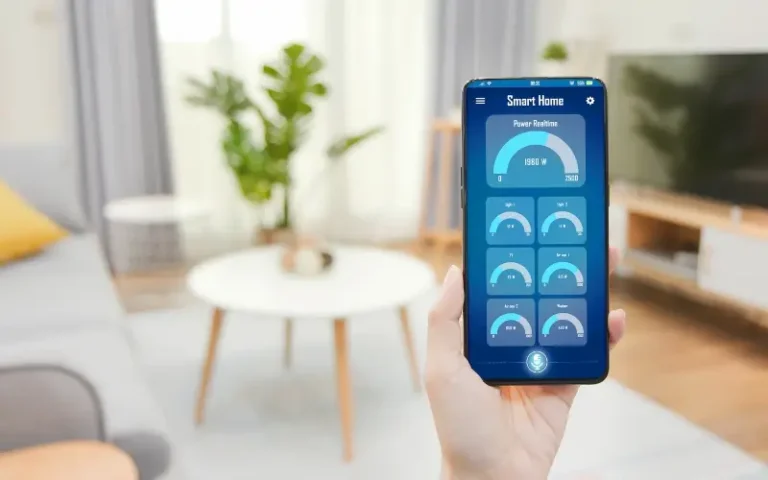

Smart home electrical systems are revolutionizing the way we interact with our homes. With advancements in technology, homeowners can now control lighting, security, and automation through easy-to-use systems, creating a more convenient, energy-efficient, and secure living environment. In this article, we’ll explore the benefits of smart home electrical systems, focusing on smart lighting, security, and automation.
What is a Smart Home Electrical System?
A smart home electrical system integrates various electronic devices and systems that can be controlled remotely via apps or voice commands. These systems often utilize the Internet of Things (IoT), connecting devices to a central hub or network for seamless control. From smart lighting to advanced security solutions, these systems offer homeowners enhanced convenience, efficiency, and safety.
Smart Lighting: Convenience and Energy Efficiency
Enhanced Control Over Lighting
Smart lighting systems allow you to control the brightness, color, and timing of lights in your home using a smartphone or voice assistant. Whether you want to create a cozy ambiance in your living room or brighten your kitchen for cooking, smart lighting offers total flexibility.
Energy Savings and Cost Efficiency
One of the key benefits of smart lighting is its energy efficiency. Smart bulbs are designed to consume less energy compared to traditional incandescent bulbs. With features such as automatic dimming and scheduling, you can ensure that lights are only on when needed, reducing your electricity bill.
Automation and Customization
Smart lighting systems can be integrated into automated routines. For example, you can set lights to turn on when you arrive home or schedule them to turn off at a certain time. This level of automation not only adds convenience but also ensures that lights are never left on unnecessarily, further enhancing energy savings.
Smart Security: Protecting Your Home
Remote Monitoring and Control
Smart home security systems provide homeowners with the ability to monitor their property remotely. With the help of security cameras, doorbell cameras, and motion sensors, you can keep an eye on your home from anywhere in the world. Some systems even send real-time alerts to your smartphone if they detect any unusual activity, helping you stay informed at all times.
Enhanced Safety Features
Smart security systems offer advanced features like motion detection, night vision, and facial recognition. This level of technology helps to prevent unauthorized access and ensures that only authorized individuals can enter your home. Many systems also allow you to create temporary access codes for guests, delivery personnel, or service providers, offering greater control over who enters your home.
Integration with Other Smart Devices
Another advantage of smart security systems is their ability to integrate with other smart home devices. For example, if a security breach is detected, your smart lighting system can automatically flash or turn on to alert neighbors and deter intruders. Additionally, systems can trigger alarms or notify emergency services, offering round-the-clock protection.
Home Automation: Streamlining Your Daily Tasks
Centralized Control of Devices
Smart home automation allows you to control multiple devices from a single platform, making it easier to manage your home. Whether you’re adjusting the temperature with your smart thermostat, locking doors, or turning off appliances, home automation simplifies everyday tasks by centralizing control. This makes managing your home easier and more convenient.
Improved Energy Efficiency and Sustainability
Home automation contributes to energy efficiency by ensuring that devices are only on when needed. For instance, smart thermostats can adjust the temperature based on your schedule, ensuring your home is always at the right temperature without wasting energy. Similarly, automated systems can control appliances, lights, and heating/cooling systems, reducing unnecessary energy consumption and lowering utility bills.
Increased Convenience and Comfort
With home automation, you can create personalized routines that cater to your lifestyle. Set up your home to automatically adjust lighting, temperature, and security settings based on your preferences. For example, your home can automatically dim the lights and lower the temperature when you go to bed or turn off electronics when you leave the house, creating a comfortable and stress-free living environment.
The Future of Smart Home Electrical Systems
Ongoing Advancements in Technology
As technology continues to evolve, so too does the potential for smart home electrical systems. New innovations in artificial intelligence, machine learning, and voice recognition are enhancing the capabilities of these systems. Homeowners can expect even more advanced features, such as predictive automation, voice-activated home control, and improved integration with other IoT devices.
Increasing Adoption Among Homeowners
The adoption of smart home technology is on the rise, with more and more homeowners recognizing the convenience, energy efficiency, and security benefits it offers. As prices continue to decrease and technology becomes more user-friendly, it’s likely that smart home systems will become standard in most modern homes.
Conclusion
Smart home electrical systems provide a wide range of benefits, from enhanced lighting control and energy efficiency to improved home security and automation. With the growing advancements in technology, these systems offer homeowners greater convenience, safety, and control over their living spaces. By integrating smart lighting, security, and automation into your home, you can experience a smarter, more efficient, and comfortable lifestyle.
If you’re considering upgrading your home to a smart system, consulting with a professional electrical contractor can help ensure that your system is installed properly and securely, optimizing the benefits of this innovative technology.
Frequently Asked Questions
What is a smart home electrical system?
A smart home electrical system integrates devices like lighting, security, and appliances into a central network, enabling remote control via apps or voice commands. These systems enhance convenience, energy efficiency, and security by utilizing the Internet of Things (IoT) technology.
How does smart lighting save energy?
Smart lighting uses energy-efficient bulbs and features like scheduling and dimming to reduce electricity consumption. Lights can automatically turn off when not in use or adjust brightness to optimize energy use, helping homeowners save on utility bills.
Can smart security systems be monitored remotely?
Yes, smart security systems allow remote monitoring via apps. Homeowners can view security camera footage, receive alerts for unusual activity, and even control devices like door locks from anywhere in the world, enhancing safety and peace of mind.
How does home automation improve daily convenience?
Home automation centralizes control of devices, enabling tasks like adjusting the thermostat, locking doors, or turning off appliances with ease. Personalized routines automate these tasks, streamlining daily activities and improving overall comfort and convenience.
Are smart home systems expensive to install?
The cost of installing smart home systems varies based on the devices and features chosen. However, as technology advances, prices are becoming more affordable. Consulting a professional can help homeowners choose a system that fits their budget while maximizing benefits.


