
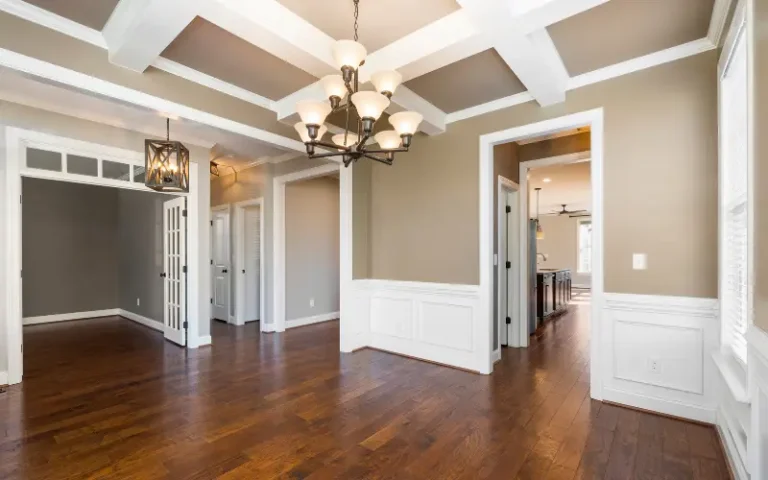

When you’ve invested in new flooring, maintaining it properly is essential to ensure its beauty and functionality for years to come. Different flooring types require specific care techniques, and understanding how to care for your flooring will save you time, money, and effort in the long run. Here’s a comprehensive guide to maintaining your floors and keeping them looking their best.
General Floor Maintenance Tips
Regular Cleaning
Regular cleaning is the foundation of floor maintenance. Dust and debris can scratch surfaces and dull their finish. Use a soft-bristle broom, microfiber mop, or vacuum with a floor attachment to remove dirt. Avoid using harsh brushes or beater bars, as they can damage your floors.
Protect High-Traffic Areas
Placing rugs or mats in high-traffic areas, such as entryways, hallways, and under furniture, can help minimize wear and tear. Ensure the mats have non-slip backing to prevent accidents and use furniture pads to protect the floor from scratches.
Avoid Moisture Damage
Excessive moisture can cause significant damage to most flooring types, especially wood and laminate. Clean up spills immediately and use a slightly damp mop for cleaning rather than soaking the floor.
Care Tips for Hardwood Floors
Regular Sweeping and Dusting
Hardwood floors require regular sweeping or dusting to prevent scratches from dirt and grit. Use a microfiber mop or a soft broom to clean the surface gently.
Avoid Excess Water
Water is one of the biggest enemies of hardwood floors. When mopping, use a barely damp mop and avoid letting water sit on the surface.
Refinish Periodically
Over time, hardwood floors may lose their luster. Refinishing every few years will help restore their shine and protect the surface from wear and tear.
Use the Right Products
Only use cleaning products designed for hardwood floors. Avoid abrasive cleaners, waxes, or products that leave a residue, as these can damage the finish.
Care Tips for Laminate Floors
Sweep and Vacuum Regularly
Laminate floors are durable but can be scratched by dirt and debris. Regular sweeping or vacuuming with a soft attachment will keep them looking great.
Avoid Harsh Chemicals
Laminate floors should be cleaned with mild cleaning solutions. Harsh chemicals or abrasive scrubbers can strip the protective layer and dull the finish.
Clean Spills Immediately
While laminate is resistant to water, standing moisture can cause the edges to swell or warp. Wipe up spills promptly and avoid wet mopping.
Care Tips for Tile Floors
Regular Sweeping and Mopping
Tiles are easy to maintain, but dirt and grime can accumulate in the grout lines. Sweep regularly and mop with a neutral cleaner to keep tiles clean and shiny.
Seal the Grout
Grout can become discolored over time. Sealing it every six months to a year helps prevent stains and makes cleaning easier.
Avoid Abrasive Cleaners
Use non-abrasive cleaners to avoid scratching the tile’s surface. For tough stains, a soft brush can be used to scrub gently.
Care Tips for Vinyl Floors
Sweep and Mop Regularly
Vinyl floors are low-maintenance but benefit from regular sweeping and occasional mopping with a mild cleaner. Avoid using excessive water.
Protect from Heavy Furniture
Heavy furniture can leave dents on vinyl floors. Use furniture pads and avoid dragging furniture across the surface.
Avoid Harsh Chemicals
Like laminate, vinyl floors should be cleaned with non-abrasive and non-acidic cleaners to prevent damage.
Care Tips for Carpeted Floors
Vacuum Frequently
Carpets can trap dirt, allergens, and dust, making regular vacuuming essential. Use a vacuum with adjustable height settings for the best results.
Address Stains Quickly
Blot stains immediately with a clean, dry cloth. Avoid scrubbing, as it can push the stain deeper into the fibers. Use carpet-specific cleaning solutions as needed.
Schedule Professional Cleaning
Professional deep cleaning every 12-18 months will remove embedded dirt and extend the life of your carpet.
Tips for All Flooring Types
Maintain a Consistent Cleaning Schedule
Consistency is key to keeping your floors in top condition. Set a regular cleaning routine based on the type of flooring you have.
Prevent Scratches and Scuffs
Use rugs, mats, and furniture pads to prevent damage. Encourage family members and guests to remove shoes before entering your home to avoid tracking dirt and grit.
Control Humidity Levels
High humidity can cause wood and laminate floors to expand, while low humidity can lead to shrinkage. Use a dehumidifier or humidifier to maintain stable indoor humidity levels.
Use Area Rugs Strategically
Place area rugs in zones that experience high foot traffic or where spills are likely, such as dining areas and children’s play spaces.
Conclusion
Maintaining your new floors doesn’t have to be a daunting task. By following these tips and tailoring your cleaning routine to your specific flooring type, you can keep your floors looking beautiful and ensure their longevity. With a little care and attention, your floors will remain a stunning feature of your home for many years to come.
Frequently Asked Questions
How Often Should I Clean My Floors?
The cleaning frequency depends on the type of flooring and foot traffic in your home. Generally, it’s recommended to sweep or vacuum high-traffic areas daily or every few days, while mopping can be done weekly for most floors. Carpets may require vacuuming several times a week and professional cleaning annually.
What Cleaning Products Are Safe for My Floors?
Always use products specifically designed for your flooring type. For example, use hardwood cleaners for wood floors, neutral cleaners for tile, and mild solutions for laminate or vinyl. Avoid abrasive or acidic products as they can damage finishes and surfaces.
How Can I Prevent Scratches and Scuffs on My Floors?
Prevent scratches by using furniture pads, rugs, and mats in high-traffic areas. Ask family and guests to remove shoes indoors, and keep pets’ nails trimmed to minimize damage. Regular cleaning to remove dirt and debris also reduces the risk of surface scratches.
What Should I Do If My Floor Gets Wet?
Clean up spills immediately to prevent water damage, especially on wood, laminate, and vinyl floors. Use a soft, dry cloth or a mop to absorb the moisture. Avoid letting water sit on the surface, as it can cause warping, swelling, or staining.
Do I Need to Refinish My Hardwood Floors?
Yes, refinishing hardwood floors every few years helps maintain their shine and durability. The timing depends on the amount of wear and tear, but a dull, scratched surface is often a sign that it’s time for refinishing.


