

Choosing the right flooring for your home is a significant decision. Flooring not only sets the tone for your interior design but also impacts the overall functionality and longevity of your living space. Among the most popular options, hardwood and laminate flooring stand out as attractive choices. Each has its strengths and weaknesses when it comes to aesthetics and durability. In this guide, we’ll explore the key differences to help you determine which option is best suited for your needs.
Aesthetics: Natural Beauty vs. Versatile Designs
The Timeless Appeal of Hardwood Flooring
Hardwood flooring is renowned for its natural beauty and timeless elegance. Made from solid wood, each plank carries unique grain patterns and rich textures, giving your home a warm and authentic look. The organic feel of hardwood complements a variety of interior design styles, from traditional to modern.
With hardwood, you also have a range of wood species to choose from, such as oak, maple, and walnut, each offering distinctive colors and characteristics. Over time, hardwood develops a patina that enhances its charm, making it a flooring option that grows more beautiful with age.
Laminate Flooring: Style Meets Affordability
Laminate flooring, on the other hand, is a budget-friendly alternative that doesn’t compromise on style. Using advanced printing technologies, laminate can mimic the appearance of hardwood, stone, or other materials with remarkable accuracy. This allows homeowners to achieve the look they desire without the higher cost associated with natural materials.
Laminate flooring comes in a wide range of colors, patterns, and finishes, making it a versatile option for creative interior designs. Its consistent appearance across planks offers a uniform look that some homeowners prefer.
Durability: Performance Under Pressure
Hardwood Flooring: Strength and Longevity
When it comes to durability, hardwood flooring is a robust choice. With proper care and maintenance, it can last for decades, even generations. Hardwood is resistant to wear and tear, and minor scratches or dents can often be repaired through sanding and refinishing.
However, hardwood is not invulnerable. It’s susceptible to moisture and humidity, which can cause warping or swelling over time. It’s also softer than laminate, making it more prone to dents from heavy furniture or dropped objects.
Laminate Flooring: Built for Busy Households
Laminate flooring excels in durability, especially in high-traffic areas. Its wear layer provides excellent resistance to scratches, stains, and fading, making it a practical choice for homes with pets or children. Unlike hardwood, laminate is more resistant to moisture, although it’s not entirely waterproof.
While laminate is tough, it’s not as long-lasting as hardwood. Once damaged, laminate cannot be sanded or refinished. However, its resilience and low-maintenance qualities make it a popular choice for busy households.
Installation: DIY-Friendly vs. Professional Expertise
Installing Hardwood Flooring
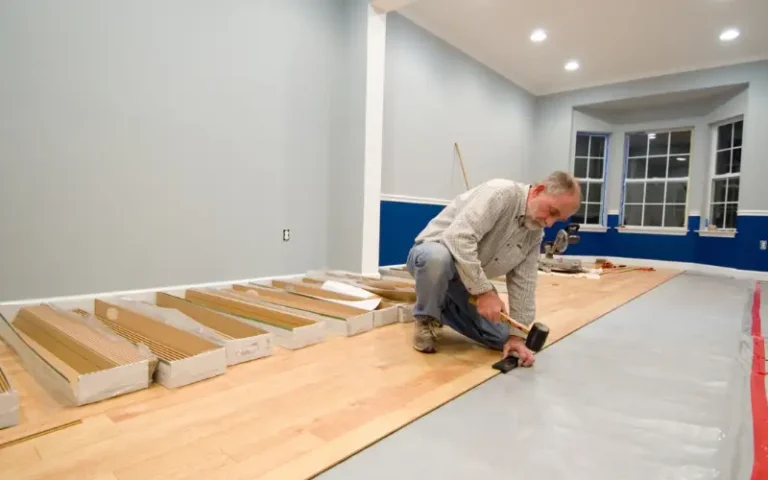
Hardwood flooring typically requires professional installation due to its intricate process. Planks are nailed or glued down, and the subfloor must be properly prepared to ensure a flawless finish. While the initial installation cost is higher, the investment pays off in the long run with enhanced property value and durability.
Installing Laminate Flooring
Laminate flooring is known for its easy installation, often suitable for DIY enthusiasts. Many laminate options feature a click-and-lock system, allowing planks to be installed without nails or glue. This not only reduces installation time but also lowers labor costs. However, proper preparation of the subfloor is still essential for a smooth and long-lasting result.
Maintenance: Effort vs. Commitment
Caring for Hardwood Flooring
Maintaining hardwood flooring requires regular attention. Sweeping or vacuuming is essential to remove dirt and debris that can scratch the surface. Periodic refinishing is also necessary to restore its original luster and protect the wood from further wear.
Additionally, hardwood is sensitive to changes in humidity. Using a humidifier or dehumidifier can help maintain stable indoor conditions and prevent warping or shrinking.
Low-Maintenance Laminate Flooring
Laminate flooring is incredibly low-maintenance. Routine cleaning with a broom or vacuum keeps it looking its best. Spills can be wiped away easily, and there’s no need for refinishing. However, it’s crucial to avoid excessive water during cleaning, as prolonged exposure to moisture can damage the core.
Environmental Impact: Sustainability Matters
Hardwood Flooring’s Eco-Friendly Appeal
Hardwood is a natural, renewable resource, making it an eco-friendly option when sourced responsibly. Many manufacturers offer flooring certified by organizations like the Forest Stewardship Council (FSC), ensuring sustainable harvesting practices. Additionally, hardwood’s longevity reduces the need for frequent replacements, further minimizing its environmental footprint.
Laminate Flooring’s Green Credentials
Laminate flooring is often made from recycled materials, making it a more sustainable choice than some may realize. However, it’s not biodegradable, and its shorter lifespan compared to hardwood means it may need to be replaced more often. When choosing laminate, look for products with low VOC (volatile organic compound) emissions for better indoor air quality.
Cost: Balancing Budget and Value
Hardwood Flooring Investment
Hardwood flooring is a premium option with a higher upfront cost. Prices vary depending on the wood species and finish, but the investment can significantly boost your home’s resale value. Its durability and timeless appeal make it a worthwhile choice for those looking for long-term value.
Laminate Flooring Affordability
Laminate flooring is a cost-effective option that provides excellent value for money. Its lower price point and ease of installation make it accessible to a wider range of homeowners. While it doesn’t offer the same return on investment as hardwood, its affordability and performance make it a smart choice for budget-conscious projects.
Which Flooring Is Right for You?
The choice between hardwood and laminate flooring ultimately depends on your priorities and lifestyle. If you value natural beauty, long-term durability, and are willing to invest in maintenance, hardwood flooring is an excellent choice. On the other hand, if you prefer a budget-friendly, low-maintenance option that offers a wide variety of styles, laminate flooring is a practical alternative.
Consider factors such as your home’s traffic levels, your budget, and your design preferences before making a decision. Both hardwood and laminate have their unique advantages, ensuring there’s a perfect flooring option for every home.
Frequently Asked Questions
What are the main differences between hardwood and laminate flooring?
Hardwood flooring is made from solid wood, offering a natural and timeless appearance. Laminate flooring, on the other hand, is a synthetic product designed to mimic the look of hardwood or other materials. Hardwood is more durable in the long term but requires more maintenance, while laminate is more affordable, easier to install, and resistant to scratches and stains.
Which flooring is better for high-traffic areas or homes with pets and children?
Laminate flooring is better suited for high-traffic areas or homes with pets and children due to its scratch-resistant wear layer and durability. Hardwood, while durable, is more prone to dents and scratches, though it can be refinished to repair damage.
Can laminate or hardwood flooring be installed in moisture-prone areas like kitchens or bathrooms?
Hardwood is sensitive to moisture and is not ideal for areas with high humidity or frequent spills. Laminate is more moisture-resistant but not entirely waterproof. For bathrooms or kitchens, consider water-resistant laminate or alternative flooring options like vinyl or tile.
Which flooring option is more environmentally friendly?
Hardwood flooring is considered eco-friendly when sourced from sustainable forests, as it is a renewable and long-lasting material. Laminate flooring can also be environmentally friendly if made from recycled materials, but it has a shorter lifespan and is not biodegradable.
What is the cost difference between hardwood and laminate flooring?
Hardwood flooring has a higher upfront cost, including material and professional installation, but it increases your home’s resale value. Laminate flooring is more affordable and easier to install, making it an excellent option for those with budget constraints.


