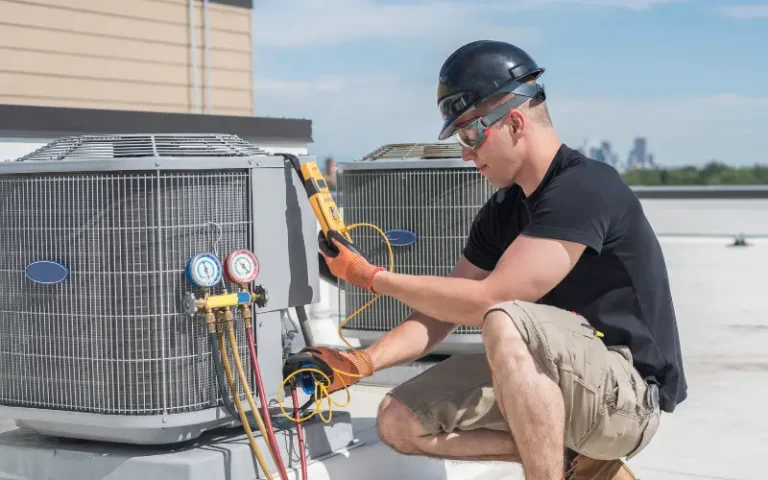

Choosing the right HVAC system is essential for ensuring your home remains comfortable throughout the year while also keeping energy costs manageable. With numerous options on the market, making the right choice can feel overwhelming. This guide will help you navigate the process of selecting an energy-efficient heating and cooling system that suits your home’s needs.
Understanding Your Home’s Heating and Cooling Needs
Assessing Climate Conditions
Your local climate plays a significant role in determining the type of HVAC system that is best suited for your home. For example, if you live in a region with cold winters, you may prioritize a system with strong heating capabilities. Conversely, in hot and humid areas, efficient cooling is critical.
Calculating Square Footage and Layout
The size of your home impacts the size and type of HVAC system you need. An undersized unit will struggle to maintain a consistent temperature, while an oversized system may consume unnecessary energy and result in uneven heating or cooling. Consult with a professional to perform a load calculation, which factors in your home’s square footage, insulation, window placement, and other elements.
Considering Energy Efficiency
Energy-efficient HVAC systems not only reduce your utility bills but also minimize your environmental footprint. Look for systems with high Seasonal Energy Efficiency Ratio (SEER) ratings for cooling and high Annual Fuel Utilization Efficiency (AFUE) ratings for heating. ENERGY STAR®-certified units are a reliable choice for efficiency.
Types of HVAC Systems
Split Systems
Split systems are one of the most common types of HVAC systems. They consist of an outdoor unit (for cooling) and an indoor unit (for heating). These systems are versatile and can be customized to suit various home sizes and layouts. Additionally, they are known for their energy efficiency and cost-effectiveness.
Packaged Systems
Packaged systems combine all components into a single unit, making them ideal for homes with limited indoor space. These systems are typically installed on rooftops or outdoor platforms. While they are compact, they may not be as efficient as split systems in larger homes.
Ductless Mini-Splits
Ductless mini-splits are an excellent option for homes without existing ductwork. These systems offer zone-specific heating and cooling, allowing you to control the temperature in individual rooms. Their efficiency and flexibility make them a popular choice for energy-conscious homeowners.
Geothermal Systems
Geothermal systems use the earth’s natural heat to regulate indoor temperatures. While the initial installation cost can be high, these systems offer significant long-term savings and are highly energy-efficient. They are best suited for homeowners planning to stay in their property for many years.
Key Features to Look For
Programmable Thermostats
A programmable thermostat allows you to set heating and cooling schedules, optimizing energy use when you’re away from home or asleep. Smart thermostats take this a step further by learning your habits and adjusting settings automatically.
Variable-Speed Compressors
HVAC systems with variable-speed compressors adjust their output to match your home’s needs, providing consistent comfort while using less energy. This feature reduces wear and tear on the system and helps lower utility bills.
High-Efficiency Filters
Filters play a crucial role in maintaining indoor air quality. Look for systems with high-efficiency particulate air (HEPA) filters or advanced filtration options that can remove allergens, dust, and pollutants from the air.
Installation and Maintenance Considerations
Professional Installation
Proper installation is critical for ensuring your HVAC system operates efficiently. Hire a licensed and experienced contractor who can assess your home’s needs, recommend the right system, and install it correctly. Poor installation can lead to inefficiencies and costly repairs down the line.
Routine Maintenance
Regular maintenance is essential for prolonging the lifespan of your HVAC system. Schedule annual tune-ups to check for issues, clean components, and replace filters. Simple tasks like keeping vents unblocked and cleaning around outdoor units can also improve performance.
Cost vs. Long-Term Savings
While the upfront cost of an HVAC system is an important consideration, don’t overlook the potential long-term savings. Energy-efficient systems may have higher initial costs, but they often pay for themselves over time through reduced utility bills. Additionally, some systems may qualify for tax credits or rebates, further offsetting costs.
The Importance of a Reliable Contractor
Partnering with a trustworthy HVAC contractor can make the process of choosing and installing a system much smoother. Look for contractors with positive reviews, proper licensing, and experience with the specific type of system you’re considering. A good contractor will also help you understand warranties and provide guidance on system maintenance.
Final Thoughts
Selecting the right HVAC system for your home is a significant decision that impacts your comfort, energy consumption, and long-term costs. By considering your home’s specific needs, understanding the different types of systems available, and prioritizing energy efficiency, you can make an informed choice. Don’t hesitate to consult with professionals to ensure you find the perfect system for your home.
Frequently Asked Questions
What factors should I consider when choosing an HVAC system for my home?
When selecting an HVAC system, consider your local climate, home size, insulation, energy efficiency, and your budget. Conducting a professional load calculation ensures the system is properly sized for your home’s layout and specific heating and cooling needs.
What is the most energy-efficient type of HVAC system?
Geothermal systems are among the most energy-efficient options due to their use of the earth’s natural heat. However, ductless mini-splits and split systems with high SEER and AFUE ratings are also excellent choices for energy-conscious homeowners.
How do I know if an HVAC system is the right size for my home?
The best way to determine the correct size is through a load calculation performed by a licensed HVAC contractor. This calculation considers factors such as square footage, insulation levels, window placement, and the local climate to ensure optimal performance.
Are there financial incentives for installing an energy-efficient HVAC system?
Yes, many energy-efficient systems qualify for tax credits, rebates, or utility incentives. ENERGY STAR®-certified systems often provide the best opportunities for savings. Check with local utility companies or government programs for available options.
How important is professional installation and regular maintenance?
Professional installation is critical to ensure your system operates efficiently and reliably. Improper installation can lead to inefficiencies and increased repair costs. Regular maintenance, such as annual tune-ups and filter changes, helps extend the system’s lifespan and maintain optimal performance.