
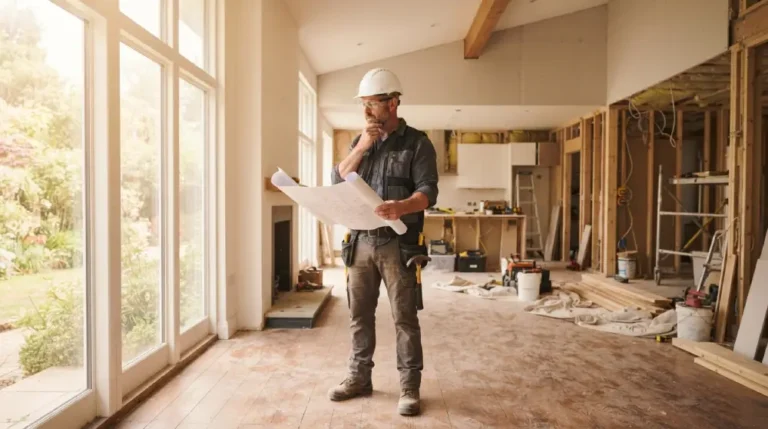

Learning how to choose a contractor is one of the most important steps in any home improvement or building project. The right professional can turn your vision into reality, while the wrong choice can lead to delays, frustration, and poor quality work. Whether you are planning a small renovation or a large scale build, the process of finding someone reliable should never be rushed. This guide walks you through the key factors to consider so you can make a confident, informed decision every step of the way.
Why Choosing the Right Contractor Matters
Your home is likely your biggest investment, and the person you hire to work on it plays a huge role in the outcome. A skilled and trustworthy contractor brings expertise, reliability, and peace of mind to the table. On the other hand, a poor hire can result in unfinished projects, safety issues, and unnecessary stress. Taking the time to choose wisely protects both your property and your sanity.
Many homeowners underestimate how much a contractor influences the overall experience, not just the finished product. A great contractor manages timelines, coordinates with other tradespeople, and keeps you informed at every stage. This level of care and organization is exactly why the selection process deserves your full attention from the very beginning.
Start With Research
Before reaching out to anyone, it helps to build a shortlist of potential contractors through careful research.
Ask for Recommendations
Talk to friends, family members, and neighbors who have recently completed similar projects. Personal recommendations often carry more weight than online listings because they come from people you trust. Ask about their overall experience, not just the final result, since the process itself says a lot about a contractor’s professionalism.
Check Online Reviews
Once you have a few names, look them up online. Reviews on platforms like Google and local business directories can reveal patterns in how a contractor operates. Pay attention to how they respond to negative feedback, as this often reflects their customer service approach.
Verify Credentials and Experience
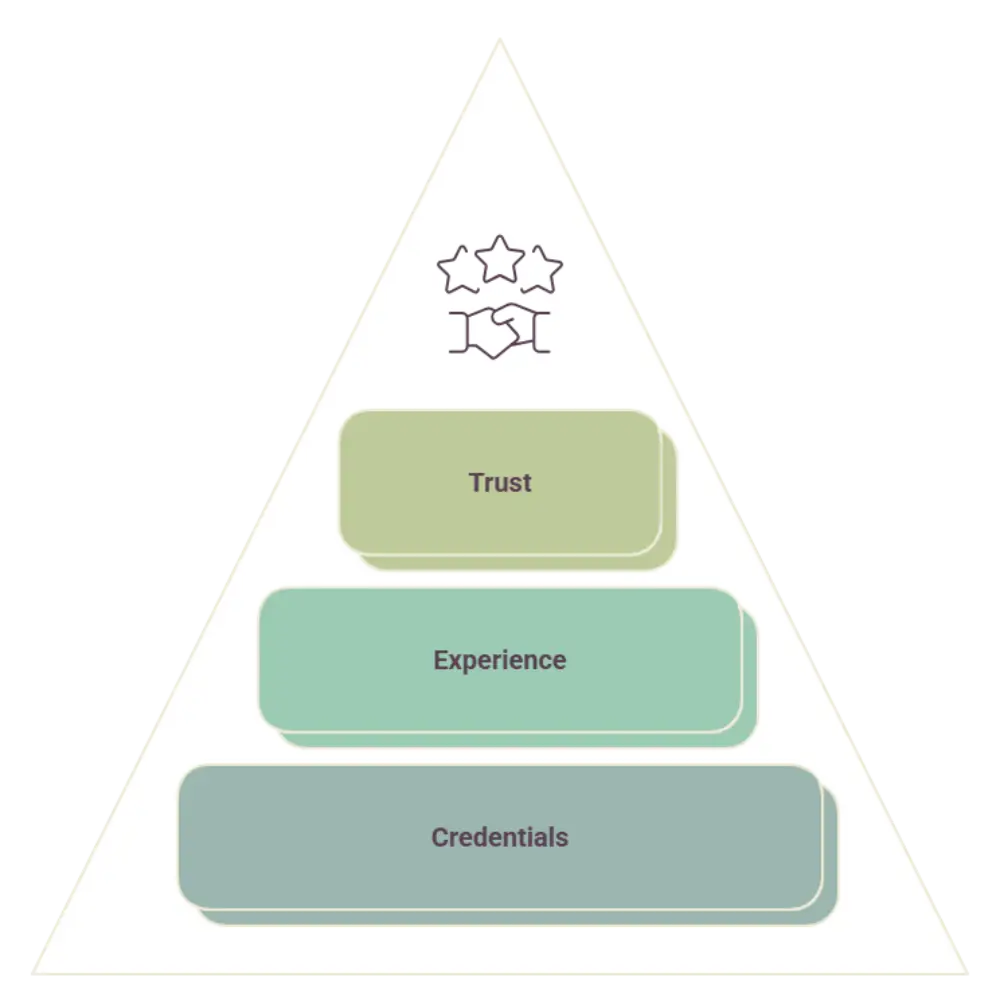
Credentials and experience form the foundation of trust when hiring a contractor.
Licensing and Insurance
Every legitimate contractor should hold the proper licensing required in your area, along with valid insurance coverage. This protects you from liability if an accident occurs on your property during the project. Do not hesitate to ask for proof of both before moving forward.
Specialization Matters
Not all contractors are the same. Some specialize in kitchen renovations, others in roofing, and some focus on full home builds. Choosing someone whose expertise matches your specific project increases the likelihood of a smooth process and a quality outcome.
Communication is Key
Strong communication throughout a project can make the difference between a pleasant experience and a stressful one.
Initial Consultation
Pay close attention during your first meeting or phone call. A good contractor listens carefully to your goals, asks thoughtful questions, and offers honest input. This initial interaction often sets the tone for the entire working relationship.
Response Time and Professionalism
Notice how quickly a contractor responds to your calls or messages. Slow or inconsistent communication early on can be a sign of what to expect once the project is underway. Professionalism in tone and punctuality also speaks volumes about their work ethic.
Review Past Work
Seeing what a contractor has already accomplished gives you real insight into their capabilities.
Portfolio and References
Ask to see photos of completed projects, and request references from previous clients. Speaking directly with past customers allows you to ask specific questions about reliability, craftsmanship, and how issues were handled if they arose.
Site Visits
Whenever possible, visit a current or recently finished job site. Seeing the work firsthand, and observing how the crew operates, provides a clearer picture than photos alone. It also shows you how organized and clean their process tends to be.
Understand the Contract
A clear, detailed agreement protects everyone involved in the project.
Scope of Work
Make sure the contract outlines exactly what will be done, including materials, timelines, and responsibilities. A vague agreement often leads to misunderstandings later. Ask questions until every detail is completely clear to you.
Timeline Expectations
Discuss realistic timelines for each phase of the project. While unexpected delays can happen, a trustworthy contractor will communicate proactively if the schedule shifts, rather than leaving you in the dark.
Watch for Red Flags
Certain warning signs should never be ignored. Be cautious of contractors who avoid answering direct questions, refuse to provide references, or pressure you to make quick decisions. A lack of proper documentation, vague verbal promises, or unwillingness to put agreements in writing are all signals to walk away and consider other options.
It also helps to notice how a contractor treats their crew and subcontractors during a site visit. Respectful, organized teams often reflect a well managed business, while chaotic or tense environments can hint at deeper issues that may surface later in your own project.
Trust Your Instincts
At the end of the day, your comfort level matters. If something feels off during your conversations, even if you cannot pinpoint exactly why, it is worth exploring other candidates. A trustworthy contractor will make you feel heard, respected, and confident throughout the entire process.
Remember that a strong working relationship is built on mutual trust. If a contractor consistently follows through on small promises, such as returning calls on time or showing up when expected, it is usually a good indicator of how they will handle the larger commitments involved in your project.
Conclusion
Knowing how to choose a contractor takes patience and a bit of legwork, but it pays off in the long run. By researching thoroughly, verifying credentials, prioritizing clear communication, reviewing past work, and paying close attention to how a contractor handles contracts and red flags, you set yourself up for a successful project. Trust the process, ask plenty of questions, and choose the professional who genuinely earns your confidence.
Frequently Asked Questions
How do I know if a contractor is legitimate?
Check that they hold valid licensing and insurance for your area, and ask for documentation upfront. A legitimate contractor will provide this information without hesitation.
What questions should I ask a contractor before hiring them?
Ask about their experience with similar projects, how they handle unexpected issues, their typical timeline, and whether they can provide references from past clients.
How many contractors should I contact before deciding?
Speaking with a few different contractors allows you to compare communication styles, expertise, and overall professionalism before making a final decision.
What are common red flags when hiring a contractor?
Watch for poor communication, reluctance to provide references, vague verbal agreements, and pressure to decide quickly without proper documentation.
Why is communication important when working with a contractor?
Clear communication ensures expectations are aligned from the start and helps prevent misunderstandings throughout the project, leading to a smoother overall experience.


