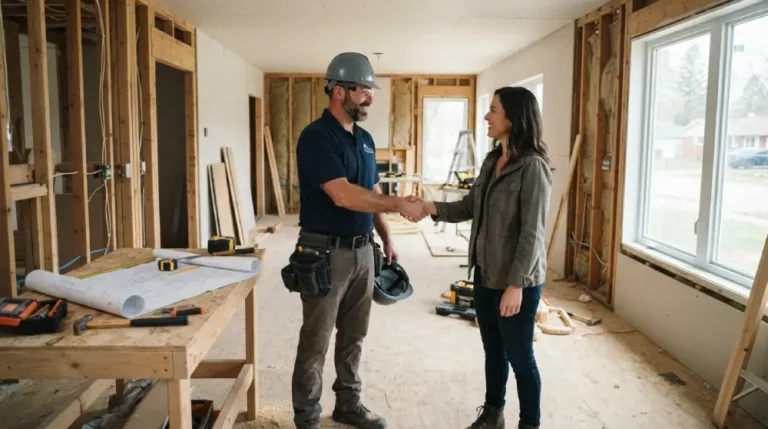

Knowing how to hire a general contractor is one of the most important steps in making sure your renovation or construction project runs smoothly. The right contractor keeps your project organized, manages the workers and materials, and makes sure everything meets local building codes. The wrong choice can lead to delays, poor workmanship, and endless stress. This guide walks you through everything you need to know to find and hire a general contractor you can trust.
- What Does a General Contractor Actually Do
- Start With Clear Project Goals
- Where to Find Qualified Contractors
- Verify Licensing and Insurance
- Interview Multiple Contractors
- Check References and Past Work
- Review the Contract Carefully
- Red Flags to Watch For
- Building a Strong Working Relationship
- Conclusion
- Frequently Asked Questions
What Does a General Contractor Actually Do
A general contractor is the person who oversees your entire project from start to finish. They coordinate subcontractors like electricians, plumbers, and carpenters, order materials, schedule inspections, and make sure the work is completed safely and on time.
Why Hiring the Right One Matters
Your home is a major investment, and construction work touches everything from safety to resale value. A qualified contractor protects that investment by following proper procedures and industry standards. A poor choice can lead to unfinished work, code violations, or long term structural issues.
Start With Clear Project Goals
Before you even begin searching for candidates, get clear on what you want. Write down your vision, the scope of work, and any must have features. This clarity helps you communicate effectively with contractors and makes it easier to compare their proposals later.
Define the Scope of Work
Are you remodeling a kitchen, adding a room, or renovating an entire home? The scope determines which contractors are even a good fit, since some specialize in specific types of projects.
Where to Find Qualified Contractors
Finding candidates is easier than ever thanks to online directories, but personal recommendations still carry weight.
Ask for Personal Referrals
Friends, family, and neighbors who have completed similar projects are excellent sources of honest feedback. Ask them about communication, professionalism, and whether the work has held up over time.
Use Online Directories and Reviews
Websites that list licensed contractors along with customer reviews give you a broader pool of options. Pay attention to patterns in reviews rather than a single comment, since consistent feedback tells you more about reliability.
Check Local Trade Associations
Many regions have professional associations for builders and contractors. Membership often signals a commitment to industry standards and ongoing education.
Verify Licensing and Insurance
This step is non negotiable. A legitimate general contractor should hold a valid license in your state or region and carry both liability insurance and workers compensation coverage.
Confirm Their License Is Active
You can typically verify a contractor’s license through your state’s licensing board website. This confirms they meet the legal requirements to perform the work.
Ask for Proof of Insurance
Insurance protects you if a worker is injured on your property or if damage occurs during construction. Request a certificate of insurance directly from the provider rather than relying on the contractor’s word alone.
Interview Multiple Contractors

Never settle on the first contractor you speak with. Interviewing several candidates helps you compare communication styles, expertise, and how well they understand your project.
Ask About Their Experience
Find out how long they have been in business and whether they have completed projects similar to yours. Experience with your specific project type often means fewer surprises along the way.
Ask How They Handle Subcontractors
Since general contractors often rely on subcontractors, ask how they vet and manage these workers. A contractor who takes accountability for subcontractor quality is a good sign.
Discuss Communication Expectations
Clarify how often you will receive updates and through what method, whether that is phone calls, emails, or a project management app. Clear communication prevents misunderstandings down the road.
Check References and Past Work
A reputable contractor should be willing to provide references from recent clients.
Contact Previous Clients
Ask former clients about their overall experience, whether the project stayed on schedule, and how the contractor handled any issues that came up.
Visit a Current or Completed Project
If possible, ask to see a project the contractor is currently working on or one they recently finished. Seeing their work firsthand gives you insight into craftsmanship and attention to detail.
Review the Contract Carefully
Once you choose a contractor, everything should be documented in a written agreement before work begins.
What Should Be Included
The contract should outline the scope of work, materials to be used, timeline, payment schedule, and warranty information. It should also specify how change orders will be handled if adjustments come up mid project.
Read the Fine Print
Take time to read every clause, including cancellation terms and dispute resolution procedures. If anything is unclear, ask the contractor to explain it before signing.
Red Flags to Watch For
Certain warning signs suggest you should keep looking elsewhere.
Pressure to Sign Quickly
A trustworthy contractor gives you time to review the contract. Anyone pushing you to sign immediately may not have your best interests in mind.
Lack of Proper Documentation
If a contractor is reluctant to provide licensing information, insurance certificates, or a written contract, treat this as a serious warning sign.
Poor Communication During the Hiring Process
If a contractor is slow to respond or vague in their answers before you have even hired them, this pattern is likely to continue throughout the project.
Building a Strong Working Relationship
Once hired, maintaining open communication throughout the project helps everything run more smoothly.
Set Up Regular Check Ins
Weekly or biweekly updates keep you informed of progress and give you the chance to address any concerns early.
Keep Records of Everything
Save emails, texts, and any changes to the original agreement. This documentation protects both parties if disputes arise later.
Conclusion
Learning how to hire a general contractor takes research, patience, and careful attention to detail, but the effort pays off in the form of a smoother project and better results. By verifying credentials, checking references, interviewing multiple candidates, and reviewing contracts thoroughly, you set yourself up for a successful renovation or build. Taking these steps upfront helps you avoid common pitfalls and gives you confidence in the professional you choose to bring your project to life.
Frequently Asked Questions
How long does it take to hire a general contractor?
The process usually takes a few weeks, since it involves researching candidates, requesting quotes, checking references, and reviewing contracts before making a final decision.
Do I need a written contract for small projects?
Yes, even smaller projects benefit from a written agreement, since it protects both you and the contractor by clearly outlining expectations and responsibilities.
Can a general contractor work without subcontractors?
Some smaller projects may be completed entirely by the general contractor and their crew, but larger projects typically require specialized subcontractors for tasks like electrical or plumbing work.
What should I do if I am unhappy with the work?
Start by discussing the issue directly with the contractor, referencing the contract terms. If the issue is not resolved, you may need to consult local consumer protection resources or a legal professional.
Is it necessary to get multiple quotes before hiring?
Yes, gathering multiple quotes helps you understand the scope of work more clearly and gives you a broader sense of what different contractors offer in terms of approach and expertise.