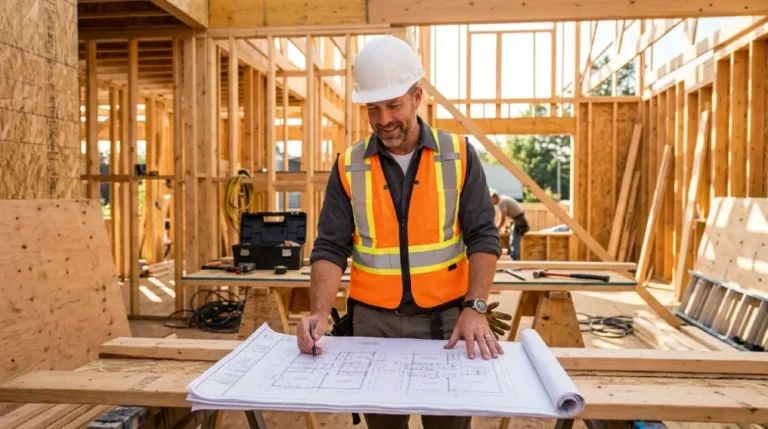

If you are planning a renovation or a new build, understanding this General Contractor Cost Guide can help you make smarter decisions before you sign any agreement. Hiring the right professional is about far more than just numbers on paper. It is about trust, communication, and making sure your vision comes to life the way you imagined it.
This guide walks you through everything you should know about working with a general contractor, from their role in your project to how you can evaluate their expertise and reliability.
- What Does a General Contractor Actually Do
- Why Hiring a Professional Contractor Matters
- How to Choose the Right General Contractor
- The General Contracting Process Explained
- Common Mistakes Homeowners Make When Hiring a Contractor
- Tips for a Smooth Renovation Experience
- Final Thoughts
- Frequently Asked Questions
What Does a General Contractor Actually Do
A general contractor is the person who oversees your entire construction or renovation project from start to finish. They coordinate everything, including scheduling, permits, materials, and communication between different trade professionals like electricians, plumbers, and carpenters.
Think of them as the conductor of an orchestra. Every specialist plays their part, but the contractor ensures everything comes together smoothly and on time.
Key Responsibilities
A general contractor typically handles several important tasks throughout a project.
They manage permits and inspections to keep your project compliant with local building codes. They also supervise subcontractors and ensure quality workmanship at every stage. Communication with the homeowner is another major responsibility, since keeping you updated avoids confusion and delays. Finally, they are responsible for problem solving whenever unexpected issues arise on site.
Why Hiring a Professional Contractor Matters
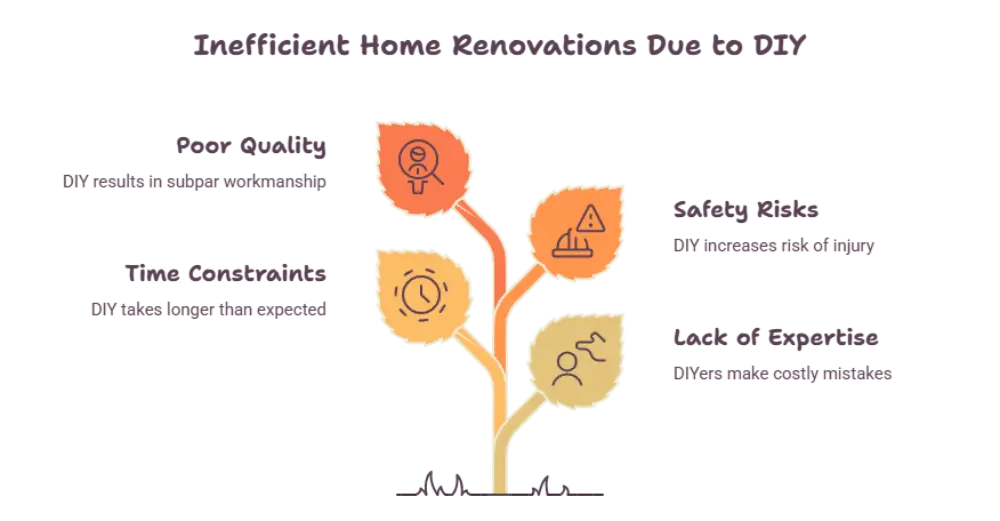
Many homeowners consider handling projects themselves or hiring individual tradespeople separately. While this might seem simpler, it often leads to miscommunication, scheduling conflicts, and inconsistent quality.
A licensed general contractor brings experience, industry connections, and accountability to your project. They understand how to navigate unexpected challenges and keep your renovation moving forward without unnecessary stress.
Benefits of Working With a General Contractor
Working with an experienced contractor gives you access to a coordinated team rather than a group of disconnected workers. You also gain peace of mind knowing that permits, inspections, and safety standards are properly managed. Additionally, contractors often catch potential issues early, saving you from costly mistakes later in the process.
How to Choose the Right General Contractor
Choosing the right contractor can feel overwhelming, especially with so many options available. The key is to focus on experience, communication style, and reputation rather than rushing into a decision.
Check Their Licensing and Insurance
Always confirm that a contractor is properly licensed and insured in your state or region. This protects you from liability if an accident occurs on your property during construction.
Review Past Projects and References
Ask to see examples of completed work, and speak with previous clients whenever possible. A reputable contractor should be transparent about their portfolio and happy to share references.
Evaluate Communication Skills
A contractor who communicates clearly and promptly is often more reliable throughout the project. Pay attention to how quickly they respond to questions and how well they explain their process.
Understand Their Project Management Approach
Every contractor has a unique style of managing timelines and subcontractors. Understanding how they plan, track progress, and handle unexpected changes can help you feel confident in your choice.
The General Contracting Process Explained
Understanding the typical process can help you feel more prepared and less anxious about your upcoming project.
Initial Consultation
The process usually begins with a consultation where you discuss your goals, timeline, and overall vision for the project. This is your opportunity to ask questions and share inspiration photos or ideas.
Planning and Design
Once the scope is defined, the contractor works with architects or designers if needed to finalize plans. This stage ensures that everything aligns with your expectations before construction begins.
Permitting and Approvals
Before any work starts, necessary permits must be obtained from local authorities. A knowledgeable contractor handles this process efficiently to avoid unnecessary delays.
Construction Phase
This is where the real transformation happens. The contractor coordinates all trades, manages the schedule, and ensures quality control throughout every stage of construction.
Final Walkthrough
After construction wraps up, a final walkthrough allows you to review the completed work together with your contractor. This ensures everything meets your expectations and any last details are addressed.
Common Mistakes Homeowners Make When Hiring a Contractor
Avoiding common pitfalls can save you time, stress, and frustration throughout your project.
Skipping the Research Phase
Many homeowners hire the first contractor they speak with without exploring other options. Taking time to research multiple professionals helps you find the best fit for your specific project.
Ignoring Communication Red Flags
If a contractor is difficult to reach or vague in their answers before the project even begins, this often signals future communication issues. Trust your instincts during initial conversations.
Not Asking Enough Questions
Homeowners sometimes hesitate to ask detailed questions out of fear of seeming difficult. However, a good contractor welcomes questions and sees them as part of building trust.
Tips for a Smooth Renovation Experience
A successful renovation depends on more than just hiring the right contractor. It also requires collaboration and clear expectations from both sides.
Stay involved throughout the process by checking in regularly and asking for updates. Keep communication open and honest whenever concerns arise. Be flexible, since unexpected changes are common in construction projects. Trust the expertise of your contractor while still voicing your preferences clearly.
Final Thoughts
Understanding the fundamentals covered in this General Contractor Cost Guide empowers you to approach your next project with confidence. The right contractor becomes a partner in bringing your vision to life, guiding you through every phase with professionalism and care.
Taking the time to research, ask questions, and communicate clearly will set the foundation for a successful and stress free renovation experience.
Frequently Asked Questions
What does a general contractor do exactly?
A general contractor manages every aspect of a construction or renovation project, including coordinating subcontractors, handling permits, and ensuring the work meets quality and safety standards.
How do I know if a contractor is trustworthy?
Look for proper licensing and insurance, check references from past clients, and pay attention to how clearly and promptly they communicate during your initial conversations.
Do I need a general contractor for a small renovation?
Even smaller projects benefit from professional oversight, since a contractor helps coordinate trades, manage timelines, and avoid costly mistakes during the process.
What questions should I ask before hiring a contractor?
Ask about their experience with similar projects, how they handle unexpected issues, their communication style, and how they manage timelines and subcontractors.
How long does a typical renovation project take?
Timelines vary depending on the scope of work, but a professional contractor will provide a realistic schedule during the planning phase based on your specific project.