
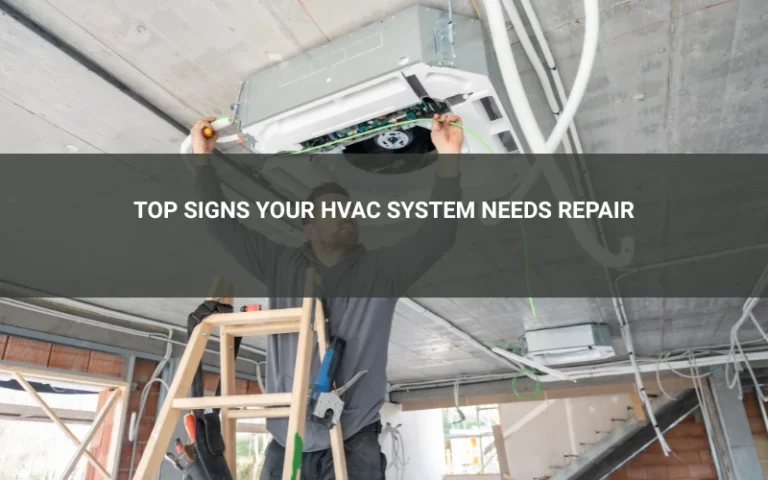

Your heating, ventilation, and air conditioning system is one of the most important systems in your home or office. It keeps your indoor environment comfortable throughout the year. However, like any mechanical system, it can develop problems over time. Knowing the Top Signs Your HVAC System Needs Repair can help you fix small problems before they turn into expensive repairs or complete system failure.
Many homeowners ignore early warning signs such as strange noises, weak airflow, or rising energy bills. Unfortunately, ignoring these issues can lead to major breakdowns and costly replacements. In this guide, we’ll explore the most common signs that indicate your HVAC system needs repair and what you should do about them.
Why Early HVAC Repair Is Important
Early HVAC repair is essential for several reasons. First, it helps you save money by preventing major repairs. Second, it improves energy efficiency, which lowers your utility bills. Third, it extends the lifespan of your HVAC system.
Here are some key benefits of early HVAC repair:
- Lower repair costs
- Better indoor air quality
- Improved system efficiency
- Longer HVAC lifespan
- Reduced energy bills
- Improved comfort levels
If you notice any of the Top Signs Your HVAC System Needs Repair, you should contact a professional technician as soon as possible.
Sign #1 – Weak Airflow
Weak airflow is one of the most common HVAC problems. If you notice that air is not coming out of your vents as strongly as before, your system may need repair.
Causes of Weak Airflow
Weak airflow can be caused by several issues, including:
- Clogged air filters
- Blocked ducts
- Failing blower motor
- Frozen evaporator coils
- Damaged ductwork
If you ignore weak airflow, your HVAC system will have to work harder, which increases energy consumption and repair costs.
Sign #2 – Strange Noises
Another major warning sign is strange noises coming from your HVAC system. HVAC systems should run relatively quietly, so unusual sounds usually indicate a problem.
Types of HVAC Noises and Meanings
| Noise Type | Possible Problem |
|---|---|
| Banging | Loose or broken parts |
| Grinding | Motor bearing problem |
| Squealing | Belt issue |
| Clicking | Electrical problem |
| Hissing | Refrigerant leak |
If you hear any unusual sounds, schedule an HVAC inspection immediately.
Sign #3 – Bad Odors
Bad smells coming from your HVAC system are another sign that something is wrong. Different smells indicate different problems.
Burning Smell vs Musty Smell
- Burning smell – Electrical issues or overheating components
- Musty smell – Mold or mildew in ducts
- Rotten smell – Dead animal in ductwork
- Chemical smell – Refrigerant leak
Bad odors should never be ignored because they can affect indoor air quality and health.
Sign #4 – Frequent Cycling
If your HVAC system turns on and off frequently, this is called short cycling. This problem can be caused by:
- Dirty air filters
- Thermostat issues
- Refrigerant problems
- Oversized HVAC system
- Electrical problems
Frequent cycling reduces system efficiency and increases energy bills.
Sign #5 – High Energy Bills
A sudden increase in energy bills is one of the Top Signs Your HVAC System Needs Repair. If your energy usage hasn’t changed but your bills are higher, your HVAC system may be working harder than it should.
Common reasons include:
- Dirty filters
- Refrigerant leaks
- Failing compressor
- Duct leaks
- Old system
Monitoring your monthly energy bills can help you detect HVAC problems early.
Sign #6 – Uneven Temperatures
If some rooms in your home are too hot while others are too cold, your HVAC system may have airflow or duct problems.
Possible causes include:
- Blocked vents
- Leaky ducts
- Poor insulation
- Thermostat problems
- Aging HVAC system
Uneven temperatures reduce comfort and system efficiency.
Sign #7 – Thermostat Problems
Sometimes the issue is not with the HVAC unit but with the thermostat. Signs of thermostat problems include:
- HVAC not turning on
- Incorrect temperature readings
- System running constantly
- Frequent cycling
- Blank thermostat screen
Replacing or recalibrating the thermostat can sometimes fix HVAC issues quickly.
Sign #8 – Moisture or Leaks
Moisture or leaks around your HVAC unit are serious warning signs. Water leaks may be caused by:
- Blocked drain line
- Frozen evaporator coil
- Broken condensate pump
Refrigerant leaks are more serious and should be handled by professionals immediately.
Sign #9 – Poor Air Quality
If you notice more dust, allergies, or dry air in your home, your HVAC system may not be filtering air properly.
Signs of poor air quality include:
- Excess dust
- Allergy symptoms
- Dry air
- Humidity problems
- Mold growth
Regular maintenance and filter replacement can improve indoor air quality.
Sign #10 – HVAC System Age
Most HVAC systems last between 10 and 15 years. If your system is older than this, repairs may become more frequent and expensive.
| HVAC Component | Average Lifespan |
|---|---|
| Air Conditioner | 10–15 Years |
| Furnace | 15–20 Years |
| Heat Pump | 10–15 Years |
| Thermostat | 5–10 Years |
If your system is old and needs frequent repairs, replacement may be a better option.
Preventive Maintenance Tips
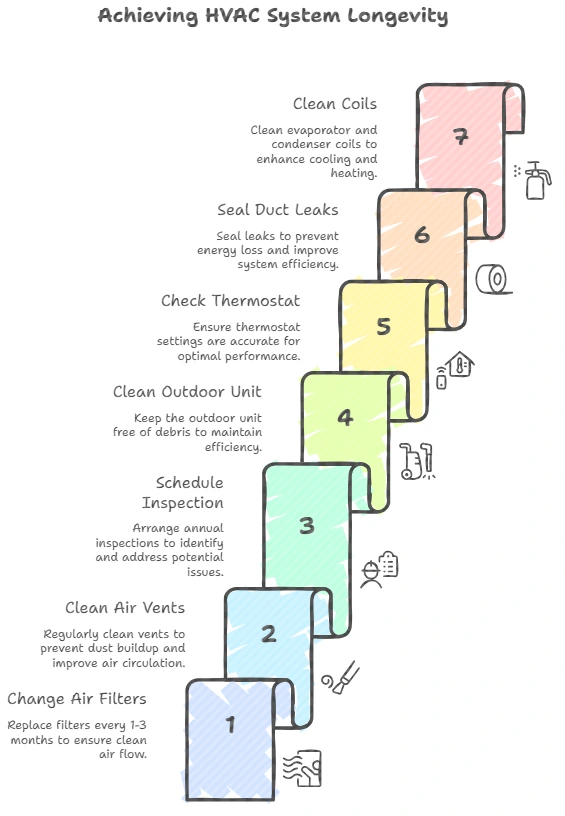
Preventive maintenance can help you avoid expensive repairs and extend the life of your HVAC system.
Here are some maintenance tips:
- Change air filters every 1–3 months
- Clean air vents regularly
- Schedule annual HVAC inspection
- Keep outdoor unit clean
- Check thermostat settings
- Seal duct leaks
- Clean evaporator and condenser coils
Regular maintenance reduces the chances of unexpected HVAC breakdowns.
When to Call a Professional HVAC Technician
You should call a professional HVAC technician if you notice:
- Loud noises
- Burning smell
- Refrigerant leak
- System not cooling or heating
- High energy bills
- Frequent cycling
- Water leaks
- Weak airflow
Professional technicians can diagnose and repair HVAC problems safely and efficiently.
HVAC Repair vs Replacement
Sometimes repairing your HVAC system is not the best option. If your system is old and repair costs are high, replacement may be more cost-effective.
| Situation | Recommendation |
|---|---|
| System under 8 years | Repair |
| Repair cost under 30% of replacement | Repair |
| System over 12–15 years | Replace |
| Frequent breakdowns | Replace |
| High energy bills | Replace |
A professional HVAC technician can help you decide whether to repair or replace your system.
FAQs
How do I know if my HVAC system needs repair?
If you notice weak airflow, strange noises, bad smells, high energy bills, or uneven temperatures, your HVAC system likely needs repair.
How often should HVAC systems be serviced?
HVAC systems should be serviced at least once a year, ideally before summer or winter.
What is the most common HVAC problem?
The most common HVAC problem is dirty air filters, which restrict airflow and reduce efficiency.
How long do HVAC systems last?
Most HVAC systems last between 10 and 15 years, depending on maintenance and usage.
Is HVAC repair expensive?
HVAC repair costs vary depending on the problem, but early repairs are usually much cheaper than system replacement.
Should I repair or replace my HVAC system?
If your system is older than 12–15 years and requires frequent repairs, replacement may be more cost-effective.
Conclusion
Understanding the Top Signs Your HVAC System Needs Repair can save you money, improve your comfort, and extend the life of your HVAC system. Warning signs such as weak airflow, strange noises, high energy bills, uneven temperatures, and bad odors should never be ignored.
Regular maintenance and early repairs can prevent major HVAC problems and keep your system running efficiently for years. If you notice any of the signs mentioned in this guide, contact a professional HVAC technician as soon as possible to avoid costly repairs or system failure.
Proper HVAC maintenance is an investment in your comfort, health, and energy savings. By paying attention to early warning signs, you can ensure your HVAC system continues to operate efficiently and reliably.


