
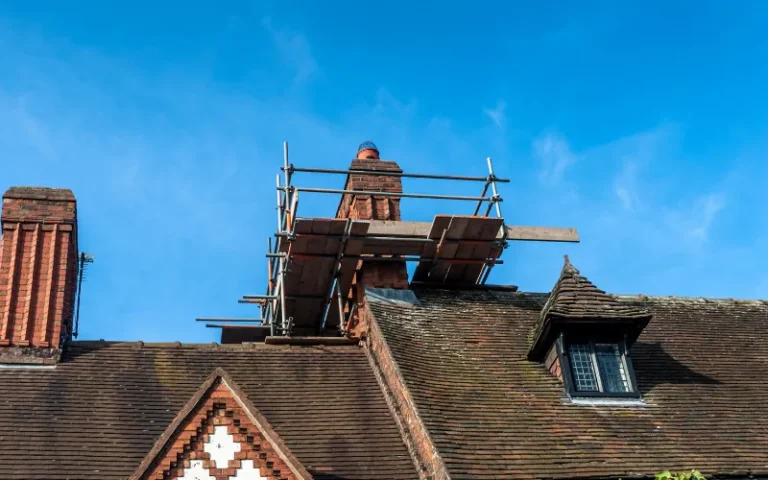

Key Highlights: Recognizing warning signs like cracked masonry or smoke indoors is the first step toward necessary chimney repair. A thorough chimney inspection is crucial to identify issues and prevent a potential fire hazard. Understanding the difference between structural and cosmetic damage helps you prioritize repairs. Evaluating a service based on certifications and customer reviews ensures you hire a dedicated team. Regular maintenance and timely restoration give you peace of mind and improve your home’s safety.
- Introduction
- Key Signs Your Chimney Needs Repair
- Understanding Types of Chimney Damage
- How to Evaluate and Compare Chimney Repair Services
- The Chimney Repair Process Explained
- Cost Factors and Insurance Considerations
- Maximizing Chimney Safety and Preventing Future Issues
- Conclusion
- Frequently Asked Questions
Introduction
Your chimney is more than just a charming feature of your home; it’s a critical system for safely enjoying your fireplace. For many homeowners, maintaining a chimney can feel like a daunting task, but it doesn’t have to be. Understanding when you need repairs and how to select the right professionals for the job is key. With the right fireplace services, you can ensure your chimney operates safely and efficiently for years to come, giving you comfort and security all year round.
Key Signs Your Chimney Needs Repair
Knowing when to call for a professional chimney repair can save you from costly future problems and serious safety risks. Often, your chimney will show clear signs of distress that you can spot with a careful look. Ignoring these indicators can lead to bigger issues.
From visible cracks in the masonry to a persistent leak, these symptoms signal that your chimney’s integrity is compromised. Addressing them promptly prevents further moisture damage and protects your family from dangers like carbon monoxide exposure. Let’s explore the specific warning signs you should watch for.
Common Warning Indicators in Masonry and Structure
The exterior of your chimney is its first line of defense against the elements, so damage here is often the most obvious. Problems with the masonry can compromise the entire structure, leading to significant safety hazards if left unaddressed. Look for visible signs of deterioration on a regular basis.
If you notice any of the following, it’s time to consider calling a professional for a masonry repair assessment:
- Visible Cracks: Cracks in the bricks or mortar joints are clear signs of stress.
- Spalling: This happens when moisture gets into the bricks, causing them to chip, peel, or crumble.
- Deteriorating Mortar: Mortar that is crumbling or missing between the bricks weakens the structure.
- Damaged Crown: The concrete slab at the top of your chimney, or crown, can crack, allowing water to penetrate the system.
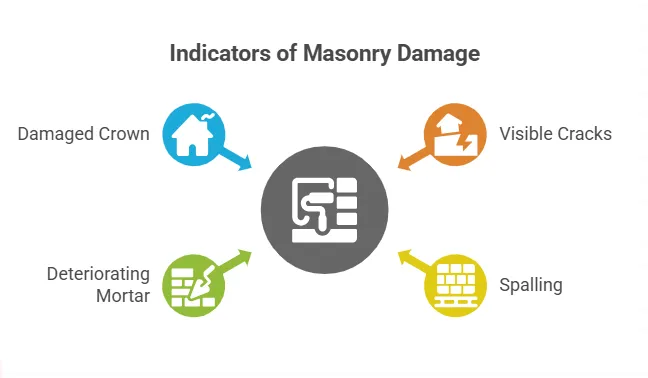
These issues often lead to water damage and can weaken your chimney over time. Timely crown repair and attention to the masonry are essential for maintaining your home’s safety and value.
Recognizing Smoke, Odor, or Moisture Problems
Sometimes, the most serious chimney problems aren’t visible from the outside. Issues within the flue can create dangerous conditions inside your home, including poor air quality and fire risks. Pay close attention to how your fireplace and chimney function when in use.
A properly working chimney should vent smoke and byproducts efficiently. If you experience any of these problems, you may have a blockage or leak:
- Smoke in the House: Smoke backing up into your room instead of going up the chimney is a major red flag.
- Persistent Odor: A strong, unpleasant odor, especially in humid weather, can indicate excess creosote buildup or moisture.
- Water Leaks: Stains on the walls or ceiling near the fireplace point to a moisture problem.
- Rust: Rust on the damper or in the firebox suggests water is getting into the system.
These symptoms can be caused by creosote buildup, blockages from debris, or cracks in the flue liner. These issues not only reduce efficiency but also increase the risk of carbon monoxide exposure and chimney fires.
Understanding Types of Chimney Damage
Not all chimney damage is created equal. Some issues are purely cosmetic, while others pose immediate threats to your home and family. Differentiating between them helps you understand the urgency of repairs and what to expect from a professional service.
From minor chips in a masonry chimney to a severely cracked flue liner, each type of damage requires a specific approach. A damaged crown might lead to water intrusion, while internal blockages could result in carbon monoxide poisoning. Knowing what you’re dealing with is the first step toward an effective solution.
Structural vs. Cosmetic Issues
Distinguishing between structural and cosmetic chimney issues is crucial for prioritizing repairs. A structural problem affects the stability and safety of your chimney, while a cosmetic issue impacts its appearance but not its function. However, minor cosmetic flaws can sometimes develop into major structural concerns if neglected.
Structural problems demand immediate attention to prevent further damage or collapse. Cosmetic imperfections are less urgent but can detract from your home’s curb appeal and may signal underlying issues. Professional restoration can address both, but understanding the difference helps you make informed decisions.
Here is a simple breakdown of common structural versus cosmetic issues:
| Structural Issues (Urgent) | Cosmetic Issues (Less Urgent) |
| Leaning or tilting chimney stack | Chipped bricks or small cracks |
| Large cracks in masonry or crown | Stains on the exterior masonry |
| Spalling bricks (crumbling surface) | Faded or discolored mortar |
| Deteriorated mortar joints | Minor rust on the damper |
Safety Hazards That Require Immediate Professional Attention
Certain types of chimney damage create significant safety hazards that cannot be ignored. These issues put your home and family at risk of fire, gas exposure, and structural failure. If you suspect any of these problems, the best way to handle them is to stop using your fireplace immediately and call a professional.
A certified technician can accurately diagnose the problem and perform the necessary repairs to make your chimney safe again. Attempting to fix these issues yourself or ignoring them can have devastating consequences.
Here are some of the most critical safety hazards:
- Creosote Buildup: This highly flammable substance is a leading cause of chimney fires and poses a serious fire hazard.
- Blocked Flue: Debris, animal nests, or internal collapses can block the flue, forcing smoke and deadly carbon monoxide into your home.
- Cracked Flue Liner: A damaged liner allows heat to transfer to combustible parts of your home, creating a fire risk.
- Structural Instability: A leaning or crumbling chimney can collapse, causing extensive damage to your roof and property.
How to Evaluate and Compare Chimney Repair Services
Once you’ve identified a problem, finding a trustworthy chimney service is the next step. With so many options available, it can be challenging to know who to trust. The right company will have a dedicated team with the expertise to handle your specific needs safely and effectively.
When searching for a chimney repair company in your surrounding areas, look for a provider with years of experience and a proven track record. A certified technician will not only perform high-quality work but also give you confidence that your home is in good hands. Let’s cover what qualifications and reviews to look for.
Essential Technician Qualifications and Certifications
When you hire someone to work on your chimney, you are entrusting them with the safety of your home. That’s why it’s vital to ensure your technician has the right qualifications. A certified technician has undergone rigorous training and testing to prove their knowledge of chimney systems, safety codes, and repair techniques.
Beyond certifications, look for a team with extensive, hands-on experience. A company that has been in business for many years is more likely to have encountered a wide range of issues and can offer expert solutions. Don’t hesitate to ask about a company’s credentials before hiring them.
Key qualifications to look for include:
- Professional Certifications: Look for credentials from organizations like the Chimney Safety Institute of America (CSIA).
- Years of Experience: An established company with a long history often indicates reliability and expertise.
- Insurance and Licensing: Ensure the company is fully insured and licensed to protect you from liability.
- Specialized Training: Ask if their technicians are trained in specific areas like masonry repair or as a professional chimney sweep.
What to Look for in Customer Reviews and Company Reputation
A company’s reputation is a powerful indicator of the quality of its fireplace services. Before making a decision, take the time to research what past customers have to say. Online reviews and testimonials offer valuable insights into a company’s professionalism, reliability, and workmanship.
A strong company reputation is built on consistently delivering excellent service and ensuring customer satisfaction. Look for patterns in feedback—do customers frequently mention punctuality, cleanliness, and fair pricing? This information can help you choose a service that provides true peace of mind.
When evaluating a company, pay attention to the following:
- Online Reviews: Check Google, Yelp, and other platforms for feedback from homeowners in your surrounding areas.
- Satisfaction Guarantees: Companies that stand behind their work with a satisfaction promise, like the Neighborly Done Right Promise®, show confidence in their quality.
- Transparency: Look for mentions of clear communication and transparent pricing.
- Professionalism: Reviews often highlight whether technicians were courteous, knowledgeable, and respectful of the customer’s home.
The Chimney Repair Process Explained
Knowing what to expect during a chimney repair appointment can help demystify the process and set your mind at ease. A professional service will typically follow a systematic approach, starting with a thorough evaluation and ending with a complete restoration of your chimney’s safety and function.
The process usually begins with an inspection to accurately diagnose the problem, followed by a detailed estimate for the required work. Once you approve the plan, the technicians will proceed with the necessary repairs. Let’s break down what happens at each stage.
What Happens During an Inspection and Estimate
The first step in any professional chimney service is a comprehensive inspection. This allows the technician to identify the full extent of the damage, from visible cracks to hidden issues within the flue. A meticulous chimney inspection is essential for an accurate diagnosis and effective repair plan.
During this visit, the technician will visually assess all accessible parts of your chimney, both inside and out. They may also use specialized cameras to examine the interior of the flue. Following the inspection, you will receive a detailed estimate outlining the recommended repairs and associated costs.
Here’s what a typical inspection and estimate appointment includes:
- Visual Assessment: A top-to-bottom check of the chimney structure, crown, cap, and masonry.
- Internal Examination: Inspection of the flue liner, damper, and firebox for damage or blockages.
- Debris Check: Looking for creosote buildup, animal nests, or other obstructions that require chimney cleaning.
- Detailed Estimate: A transparent quote for all necessary fireplace maintenance and repair work.
Steps Involved in a Typical Chimney Repair Appointment
After you’ve approved the estimate, the actual chimney repair work can begin. A professional team will arrive prepared with the necessary tools and materials to complete the job efficiently and safely. They will also take measures to protect your home from dust and debris during the process.
The specific steps will depend on the type of repair needed, whether it’s a complex masonry repair or a straightforward cleaning. The goal is always to restore your chimney to optimal condition, ensuring it functions correctly and safely. Good fireplace maintenance practices are key to a successful outcome.
A typical repair appointment may involve these steps:
- Site Preparation: Covering floors and furniture to keep your home clean.
- Cleaning: Thoroughly cleaning the chimney to remove creosote, soot, and debris before making repairs.
- Performing Repairs: This could include patching masonry, replacing the flue liner, or installing a new chimney cap.
- Final Inspection and Cleanup: The team will review their work and ensure your property is left tidy.
Cost Factors and Insurance Considerations
The cost of chimney repair can vary widely depending on the extent of the damage and the type of work required. While homeowners naturally worry about the expense, it’s important to remember that timely repairs prevent much costlier problems down the line. Transparent pricing from a reputable company can help you budget accordingly.
Another common question relates to insurance coverage. In some cases, your homeowners insurance policy may help cover the cost of repairs, but this often depends on the cause of the damage. Understanding these financial aspects is an important part of the process.
Typical Price Range for Common Repairs
The final cost of a chimney repair project depends on several factors, including the materials needed, the labor involved, and the severity of the damage. For example, a minor masonry patch will be significantly less expensive than a full chimney restoration.
To give you a better idea of potential costs, it’s helpful to look at a general price range for common repairs. Keep in mind that these are only estimates, and the best way to get an accurate price is to request a detailed quote from a professional service after an inspection.
Here are some example price ranges for typical chimney repair jobs:
| Type of Repair | Estimated Cost Range |
| Chimney Sweeping/Cleaning | $150 – $400 |
| Minor Masonry or Mortar Repair | $250 – $1,200 |
| Chimney Crown Repair/Sealing | $200 – $1,000 |
| Repairing Water Damage or Leaks | $300 – $1,500+ |
| Full Chimney Restoration | $2,000 – $7,000+ |
When Homeowners Insurance May Cover Chimney Repair
Many homeowners wonder if their insurance will foot the bill for chimney repairs. The answer depends on your specific policy and the cause of the damage. Generally, homeowners insurance is designed to cover sudden and accidental events, not issues arising from neglect or normal wear and tear.
If your chimney is damaged by a storm, lightning strike, or a sudden event like a house fire, your policy is likely to provide coverage for the restoration. However, if the damage results from a long-term leak or lack of maintenance, the claim may be denied.
Your insurance might cover chimney repairs under these circumstances:
- Sudden Events: Damage caused by events like storms, falling trees, or lightning.
- Accidental Fires: If a chimney fire occurs, insurance will typically cover the resulting damage.
- Impact Damage: Damage from a vehicle or other unexpected impact.
It is always a good idea to review your policy and speak with your insurance agent to understand what is and isn’t covered.
Maximizing Chimney Safety and Preventing Future Issues
Proactive care is the best defense against major chimney problems. By investing in regular fireplace maintenance, you can prevent serious safety risks like a fire hazard or carbon monoxide poisoning and extend the life of your chimney.
Simple, routine steps like scheduling an annual chimney cleaning and inspection are far more manageable and affordable than dealing with an emergency repair. This approach ensures your fireplace is always ready for safe use when you need it. Let’s discuss how regular upkeep keeps your home protected.
How Regular Repairs Prevent Fire Hazards
One of the most important benefits of regular chimney maintenance is the prevention of a fire hazard. The majority of chimney fires are caused by the buildup of creosote, a flammable byproduct of burning wood. When this substance ignites, it can lead to a dangerous and destructive fire.
Regular cleaning removes creosote, while a routine inspection can identify other potential risks before they escalate. For example, a professional can spot cracks in your masonry chimney or flue liner that could allow intense heat to reach the combustible wooden framework of your house.
Here’s how regular maintenance helps prevent fires:
- Removes Creosote: Professional cleaning eliminates flammable creosote buildup.
- Identifies Structural Flaws: An inspection can uncover cracks or gaps that pose a fire risk.
- Ensures Proper Airflow: A clear chimney vents smoke and embers safely outside.
- Checks for Blockages: Removing nests and debris prevents sparks from getting trapped and igniting.
Recommended Inspection and Maintenance Frequency
To keep your chimney in safe, working order, experts recommend a consistent maintenance schedule. The National Fire Protection Association (NFPA) advises that chimneys, fireplaces, and vents should be inspected at least once a year for soundness, freedom from deposits, and correct clearances.
This annual inspection is the perfect opportunity to have any necessary cleaning or minor repairs performed. Even if you don’t use your fireplace frequently, an annual check-up by a professional chimney sweep is crucial. Deterioration can occur from weather exposure alone, and blockages from animals or debris can happen at any time.
For optimal fireplace maintenance, follow these guidelines:
- Annual Inspection: Schedule a professional inspection every year.
- Regular Cleaning: Have your chimney cleaned when soot or creosote buildup is visible.
- Post-Event Checks: It’s wise to have an inspection after any major weather event or if you notice performance issues.
- Follow Professional Advice: Your technician may recommend more frequent service based on your usage and chimney type.
Conclusion
Choosing the right chimney repair service is essential for ensuring the safety and efficiency of your home. By recognizing the signs that indicate your chimney needs repair, understanding the types of damage, and evaluating the qualifications of various service providers, you can make an informed decision. Remember to prioritize companies with strong customer reviews and proper certifications, as these factors can significantly affect the quality of work you receive. Regular inspections and maintenance will not only keep your chimney in excellent condition but also prevent potential fire hazards. If you’re ready to take the next step in maintaining your chimney, reach out to a trusted professional today for guidance and support.
Frequently Asked Questions
How long does a chimney repair usually take?
The duration of a chimney repair varies based on the complexity of the job. A simple repair may take a few hours, while a major restoration could take several days. A certified technician with years of experience will provide a more accurate timeline after an initial inspection, ensuring the dedicated team completes the work efficiently.
Can I use my fireplace right after a chimney repair?
It’s best to wait before using your fireplace after a chimney repair. Masonry and sealant materials need time to cure properly, which can take anywhere from 24 hours to several days. Using it too soon can compromise the restoration and create a fire hazard. Always follow your technician’s specific instructions.
How do I know if a chimney repair service is certified and reputable?
To ensure peace of mind, check a company’s reputation by reading online reviews and asking for proof of certification from organizations like the CSIA. A reputable provider of fireplace services will be transparent about their qualifications and have a history of satisfied customers, confirming you’re hiring a certified technician and professional chimney sweep.


