
Choosing the best materials for home renovation is one of the most important decisions you will make during any remodel. The right materials shape how your home looks, how it performs, and how long it lasts.
A smart choice today saves you repairs, replacements, and frustration tomorrow. This guide walks you through the top materials for floors, walls, kitchens, bathrooms, insulation, and exteriors, so you can renovate with confidence.
- Why Material Choice Matters in a Renovation
- Best Flooring Materials
- Best Materials for Walls and Ceilings
- Best Materials for Kitchens and Bathrooms
- Best Materials for Insulation and Energy Efficiency
- Best Exterior Materials
- Sustainable Materials Worth Considering
- How to Choose the Right Materials for Your Project
- Common Material Mistakes to Avoid
- Conclusion
- FAQs
Why Material Choice Matters in a Renovation
Every renovation is built on its materials. Even the best design falls flat when the materials wear out early or do not suit the space.
Good materials protect your home from moisture, heat, and daily wear. They also improve comfort, safety, and resale appeal.
Before you buy anything, think about how each room is used. A hallway with heavy foot traffic needs different materials than a quiet guest bedroom.
Best Flooring Materials
Flooring takes more punishment than almost any other surface in your home. Foot traffic, spills, pets, and sunlight all take a toll, so quality matters here.
Hardwood Flooring
Hardwood remains a favorite for good reason. It adds warmth, natural character, and lasting appeal to living rooms, bedrooms, and hallways.
Oak, maple, and walnut are strong choices. They can be sanded and refinished several times, which extends their life for decades.
Keep solid hardwood away from areas with constant moisture, such as basements and bathrooms.
Porcelain and Ceramic Tile
Tile is one of the most dependable materials for wet areas. Porcelain in particular is dense, stain resistant, and very hard to scratch.
It works well in kitchens, bathrooms, entryways, and laundry rooms. Choose tiles with a textured finish for better grip underfoot.
Luxury Vinyl Plank
Luxury vinyl plank has become popular thanks to its realistic wood look and water resistant core. It is comfortable to walk on and simple to clean.
It suits busy households with children and pets, and it handles moisture better than most wood products.
Best Materials for Walls and Ceilings

Walls and ceilings define the feel of every room. The right materials also improve safety, sound control, and air quality.
Drywall
Drywall is the standard for interior walls. It is smooth, easy to shape, and takes paint beautifully.
Moisture resistant boards are ideal for bathrooms and laundry areas. Fire rated boards add extra protection in garages and utility rooms.
Quality Paint and Primer
Paint may seem like a finishing touch, but it protects surfaces as much as it decorates them.
Low VOC paints release fewer fumes, which improves indoor air quality. Use satin or semi gloss finishes in kitchens and bathrooms because they wipe clean easily. Matte finishes suit bedrooms and living rooms.
Best Materials for Kitchens and Bathrooms
Kitchens and bathrooms face heat, steam, and spills every single day. Choose materials that resist moisture and stains.
Quartz Countertops
Quartz is engineered from natural stone and resin. It is nonporous, so it resists stains and bacteria.
It never needs sealing, and its colors and patterns stay consistent from slab to slab. This makes it a smart pick for busy family kitchens.
Granite Countertops
Granite is a natural stone with one of a kind patterns. It handles heat well and stands up to heavy use.
It does need occasional sealing to protect the surface. Done properly, granite can last for generations.
Plywood and Solid Wood Cabinets
Cabinet boxes made from plywood hold screws firmly and resist swelling better than particleboard.
Solid wood doors add a classic look and can be refinished when styles change. A durable protective coating keeps them looking fresh in humid rooms.
Waterproof Shower Materials
Showers need a proper waterproof system behind the finish. Cement board and waterproof membranes protect the wall structure from hidden moisture damage.
Pair them with porcelain tile or solid surface panels for a clean, easy to maintain result.
Best Materials for Insulation and Energy Efficiency
A comfortable home depends on what is hidden behind the walls. Good insulation keeps rooms warm in winter and cool in summer.
Spray foam insulation seals gaps and blocks air leaks very well. It is a great option for attics, rim joists, and irregular spaces.
Fiberglass batts are widely used and easy to install in standard wall cavities. Mineral wool resists fire and also reduces noise between rooms.
Do not overlook windows. Double glazed or triple glazed units with low emissivity coatings reduce heat loss and improve comfort throughout the year.
Best Exterior Materials
The outside of your home is its first line of defense against weather. Durable exterior materials protect the structure and boost curb appeal.
Fiber Cement Siding
Fiber cement siding resists rot, pests, and fire. It can mimic the look of wood while needing far less upkeep.
It holds paint well and stays stable through changing weather. This makes it a trusted choice in many climates.
Metal Roofing
Metal roofing sheds rain and snow quickly and lasts for decades. It also reflects heat, which helps keep the home cooler in warm seasons.
Modern metal panels come in many colors and profiles, so style is never a limitation.
Brick and Stone Veneer
Brick and stone veneer bring timeless texture to a home. They resist fire, pests, and fading.
Stone veneer is lighter than full stone, so it is easier to install while keeping a natural look.
Sustainable Materials Worth Considering
Eco friendly choices are now easier to find and work with. They reduce environmental impact while adding unique style.
Bamboo flooring grows back quickly and offers impressive hardness. Reclaimed wood gives character while keeping usable timber out of landfills.
Cork is naturally soft, warm, and sound absorbing. Recycled glass tile adds color and sparkle to backsplashes and bathrooms.
Look for wood that comes from certified, responsibly managed forests. It is a simple way to support sustainable building.
How to Choose the Right Materials for Your Project
The best material is the one that fits your home, climate, and lifestyle. A few simple checks make the decision easier.
Think about moisture first. Rooms with steam or spills need water resistant materials.
Consider maintenance next. Some surfaces need regular sealing or refinishing, while others need only a quick wipe.
Check the warranty and expected lifespan. Reliable manufacturers back their products with clear coverage.
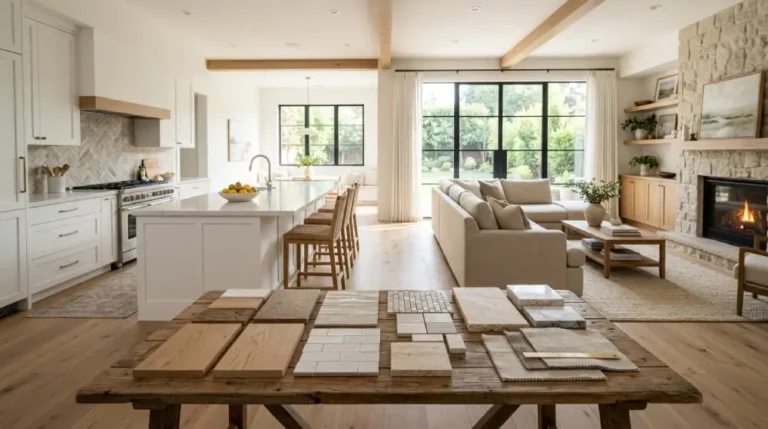
Always request samples and view them in your own lighting. A color that looks perfect in a showroom can appear different at home.
Finally, talk with a qualified contractor. Their hands on experience helps you avoid materials that perform poorly in your area.
Common Material Mistakes to Avoid
Many renovation problems begin with mismatched materials. Using solid hardwood in a damp basement, for example, often leads to warping.
Skipping proper underlayment or waterproofing is another frequent error. These hidden layers protect the finished surface.
Mixing too many styles can also make a home feel scattered. Choose a consistent palette of textures and tones for a polished look.
Conclusion
Selecting the best materials for home renovation is about balancing durability, comfort, style, and performance. Porcelain tile, quartz, quality insulation, fiber cement siding, and responsibly sourced wood all offer dependable results when used in the right places.
Take time to match each material to its room and purpose. With careful planning and expert guidance, your renovation will look beautiful and stay strong for many years.
FAQs
What are the best materials for home renovation?
The best materials depend on the room. Porcelain tile, quartz countertops, plywood cabinets, quality insulation, fiber cement siding, and metal roofing are all trusted choices for durability and performance.
Which flooring material lasts the longest?
Hardwood and porcelain tile both last for decades when cared for properly. Hardwood can be refinished many times, while porcelain resists scratches, stains, and moisture.
What is the best material for a bathroom renovation?
Porcelain tile, cement board, waterproof membranes, and quartz vanity tops work very well. These materials resist moisture, stains, and mold in humid conditions.
Are sustainable materials good for home renovation?
Yes. Bamboo, cork, reclaimed wood, and recycled glass tile are durable, stylish, and better for the environment. Choose certified products for the best results.
How do I choose the right renovation materials?
Start with how each room is used, then consider moisture, maintenance, and lifespan. Request samples, check warranties, and consult a qualified contractor before you decide.