

Does your home have frequent leaks or low water pressure? These are signs that your old pipes are not working well. Over years, the plumbing system in your house can wear out. This wear leads to issues that simple fixes cannot solve anymore. The repipe plumbing process is when you replace your old water supply lines with new plumbing. This helps bring back good water pressure and stops water damage that can cost you more money.
Knowing what this upgrade is and why it is needed is the first step to building a strong and healthy plumbing system for your house. With new supply lines, you can avoid future leaks and make sure the water in your home flows well for years. In 2025, the average cost to repipe a house typically ranges from $4,000 to $15,000, depending on the size of your home, the materials chosen, and local labor rates. Budgeting for this investment can help ensure your plumbing system stays reliable and efficient.
- Key Highlights
- Key Factors Influencing Repiping Plumbing Cost
- Pipe Materials and Their Impact on Pricing
- Labor Costs in Repiping Projects
- Breakdown of Whole-House Repiping Costs
- Regional Price Variations Across the United States
- How Plumbing Contractors Estimate Repiping Costs
- Signs That Your Home Might Need Repiping
- Conclusion
- Frequently Asked Questions
Key Highlights
- The average cost of repiping a house ranges from $4,000 to $15,000, heavily influenced by your home’s size and the materials used. Generally, the cost of repiping can vary depending on whether you are repiping just the water supply lines or including both water supply and drain lines, as repiping typically refers to water supply but may also cover drain lines if specified. Primary factors affecting the total cost include the house size, number of plumbing fixtures, pipe accessibility, and permit fees.
- Primary factors affecting the total cost include the house size, number of plumbing fixtures, pipe accessibility, and permit fees.
- PEX pipes are a cost-effective option, while copper pipes are more expensive but offer greater durability and a longer lifespan.
- Labor costs typically account for 40-60% of the total repiping project budget, covering installation and potential drywall repairs.
- Signs you need repiping include low water pressure, discolored water, and frequent leaks in your plumbing system.
Key Factors Influencing Repiping Plumbing Cost
Several key things affect the cost of repiping your home. The size of your house changes what you pay. How easy it is to get to the old pipes also matters. The number of plumbing fixtures you have makes the cost go up or down. When the layout is more complex or the pipes are hard to reach, the labor and repair costs get higher.
Your local building codes and the need for permits will also raise the budget. Knowing about these details helps you plan for your repiping project. Next, let’s look at how each part affects the final cost of repiping, the repair costs, and the number of plumbing fixtures.
Size and Layout of the Home
The size and layout of your home are big reasons why repiping may cost more. If your house is larger in terms of square footage, it will need more pipes and other materials. A bigger, multi-story place can need many more supply lines than a smaller, single-story home. This will make the costs for both materials and labor go up.
The layout of your home also has a lot to do with the price. In a multi-story house, it is harder to put pipes between different floors or work around things like floor joists. It takes more time for people to do the job because of this, and so, the cost to you will be higher.
Number of Bathrooms and Plumbing Fixtures
The number of plumbing fixtures in your home changes the total cost of a repiping project. Every fixture is a spot in the plumbing system that needs its own piping, fittings, and extra work. So, if there are more bathrooms, another kitchen area, or a laundry room with water supply, the cost will go up. A home with lots of water supply lines and places that use water will be pricier for repiping than a smaller house without as many plumbing fixtures.
When you add more plumbing fixtures, the plumbing system gets more tricky. The plumber has to lay extra branch lines to serve each water-dependent spot. This means they need to use more pipes and spend more time working. The total cost to repipe can go up by $550 to $1,800 for every extra fixture added to the water supply lines.
Here are common plumbing fixtures that boost the total cost:
- Sinks (kitchen and bathroom)
- Toilets
- Showers and bathtubs
- Dishwashers and washing machines
Accessibility of Existing Pipes
How easily plumbers can get to your old pipes plays a big part in what you pay for labor costs. If the old pipes are in an open crawl space or a basement that plumbers can get to easily, the work will be much quicker and simpler. But if your old pipes are hidden behind walls, under a concrete slab, or in really tight spaces, the job gets harder.
When old pipes are hard to reach, plumbers might have to do extensive demolition. They may need to cut through drywall, concrete, or floors to get to the old pipes and install new ones. This means there will be more time spent on the repiping job itself. Plus, the needed drywall repairs and putting things back after all that extra work will be added to your bill.
It can also be tough to work around tight spaces or things like ducts for heating and cooling, and the home’s wiring. When the job is harder like this, it can make labor costs go up by 10% to 30%. The harder it is for the plumber to get to the old pipes, the more you can expect to pay for their work.
Permit, Inspection, and Code Requirements
Repiping your home is a big job and you almost always need permission from your city or town first. Many places say you must get a permit before you start a repiping project. This rule helps make sure the work on your new plumbing system meets local building codes. The permit costs will be different for each place. You might pay as low as $50 or as much as $500. The final fee depends on where you live and how big the project is.
When you start working on the new plumbing, a local building inspector will need to check the work. You will usually see an inspector two times. The first time is a “rough-in” inspection before you close up the walls. The second is a final look after the new construction is done and the new plumbing system has water running through it. These two checks help make sure your plumbing is safe and built to code.
If you do not pass an inspection, the job might take more time. You might even need to pay to fix things, making it more expensive. That is why it is important to follow local building codes from the very start of your repiping project. If you hire a licensed plumber, he or she will know all about the codes and what is needed. This way, your new plumbing system will be right the first time and you will avoid problems later on.
Pipe Materials and Their Impact on Pricing
The type of pipe you choose for your repiping project will have a big impact on the material costs. Some of the most common new pipes you can use are copper piping, PEX, and CPVC pipes. Each of these pipe types has its own price, a different way to install, and its own set of plus points.
Copper piping is tough and lasts a long time, but it also costs the most up front. PEX and CPVC pipes are plastic choices. The two are both cheaper than copper piping. Both PEX and CPVC are flexible and can stand up to corrosion. So, what you choose for your repiping project will change the total cost. That’s why it’s good to know the differences between each type of pipe before you set out to do the work.
Copper vs. PEX Tubing: Price Differences
When it comes to repiping, the debate between copper and PEX piping often comes down to cost versus longevity. PEX is a flexible plastic tubing that has become a popular choice due to its affordability. The material itself is less expensive, and its flexibility allows for faster installation with fewer fittings, which significantly reduces labor costs.
Copper pipes, on the other hand, are the premium option. The raw material is more expensive, and installation is more labor-intensive because it requires soldering joints. This skilled labor adds to the overall expense, making copper a costlier choice upfront. For a 1,500 sq ft home, using PEX might cost around $6,500, while the same job with copper could exceed $10,000.
Here is a quick comparison of the material costs:
| Pipe Material | Average Cost Per Linear Foot | Key Characteristics |
|---|---|---|
| PEX | $0.50 – $1.00 | Flexible, easy to install, corrosion-resistant |
| Copper | $2.00 – $5.00 | Durable, long-lasting, UV-resistant |
Durability, Maintenance, and Lifespan Considerations
Your choice of pipe material can change how long your plumbing system will last and what kind of care it needs. Copper pipes are a good option if you want long-lasting results. With the right care, copper pipes often last more than 50 years. They are good if you want to avoid frequent leaks because they do not wear down or get damaged by sunlight very easily. This makes copper pipes a good choice for many people looking for less work over time.
On the other hand, PEX pipes are also used in plumbing systems, and they can last for many years. PEX pipes do not get damaged by minerals in water or by cleaning chemicals. But PEX pipes usually have a shorter life than copper ones. They also can get damaged if they sit in sunlight for a long time, so they are not great for outdoor use without covering. PEX pipes are bendy and hold up well if water freezes inside them, but they may not last as long as copper pipes.
Choosing the Right Pipe Material for Your Needs
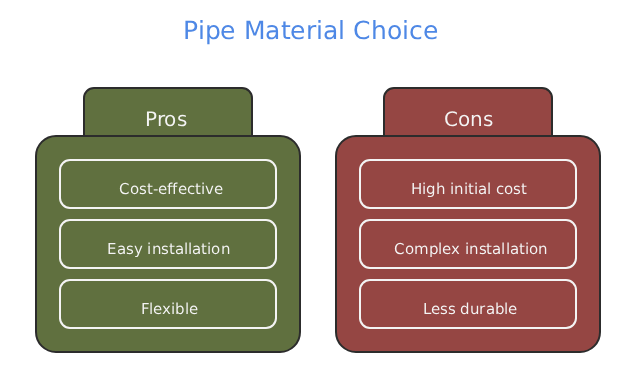
Choosing the best material for your repiping project comes down to your budget, the long-term plans you have, and the way your home is set up. There is not one “best” material that works for everyone. The right one fits your needs best. You need to look at things such as water quality, how hard it is to install, and what the cost is right upfront.
If saving money is your top goal, PEX pipes will probably be the good fit for you. They are affordable and easy to work with. The flexible design helps a lot when putting them in older homes or tight spaces. This can help cut down on labor costs, plus installation does not take a lot of time. But, if you want your repiping project to last as long as possible and you plan to stay in your home for many years, copper piping may be the choice for you. It costs more now but has a lifespan that makes it worth it.
To make your decision, think about these points:
- Budget: PEX pipes and cpvc pipes cost less at first than copper piping.
- Durability: Copper piping lasts the longest and stands up better to damage.
- Water Quality: Copper can help prevent bacteria from growing in your water over time.
- Installation: PEX pipes are the easiest to use, and they fit well in complex spaces or older homes.
Labor Costs in Repiping Projects
Labor is one of the biggest costs in any repiping project. It can be about 40% to 60% of the total cost. The amount you pay for labor will depend on how hard the job is, if you hire a licensed plumber, and how much people get paid in your area. If your project is simple and the pipes are easy to get to, you will pay less for labor. But if the job needs a lot of breaking into walls or floors, the cost will be higher because of all the extensive demolition.
Having a professional handle your new plumbing system is important. The work needs to be done the right way, and it has to follow all safety rules. You may want to save money by trying to do it yourself, but that can cause plumbing issues later. Bad installation can lead to bigger problems and higher repair costs for your plumbing system down the line. It is often best to get the job well done by a licensed plumber, even if the price for labor adds more to your total cost.
What’s Included in Professional Labor Charges
When you hire a licensed plumber for a repiping job, the labor charges cover more than just putting in new pipes. These costs include every part of the job. This is from the first look at your plumbing system to the final test when it is all done. The plumber’s skills help them handle any problems in your home’s plumbing system.
The price for labor is for the time and work they put in. They have to take out the old pipes and add new pipes. They connect everything and make sure it follows the rules. The labor charges also pay for the right tools that the plumber needs to finish the job the right way.
Professional labor charges usually include:
- A close inspection of your plumbing system now.
- Careful removal and safe disposal of any old pipes.
- Putting in the new pipes, fittings, and shut-off valves.
- Pressure testing the new pipes to make sure there are no leaks.
Removal and Installation Steps
The repiping process has a clear set of steps to make sure the job goes well. First, a plumber will turn off the main water supply to your home. After that, they will start to take out the old pipes they can get to. They may need to cut into some walls or ceilings to reach these pipes.
When the old pipes are gone, it is time to put in the new pipes. The plumber will place new water lines all throughout your house. They will connect these lines to sinks, toilets, and showers. If they use PEX piping, they can move the new pipes through your walls more easily, with less damage to your home. For copper pipes, the work goes a bit slower, as each pipe needs to be cut to size and connected carefully.
When the new plumbing and all the fixtures are set up, there is still one thing left to do. The plumber must pressurize the water supply and check closely for any leaks. Only if the new pipes and water lines pass this check is the repiping process finished.
Drywall Repair, Cleanup, and Restoration Expenses
A whole-house repipe can be a big job. You should know that in most cases, the plumber’s work is done when the new pipes go in. Unless your contract says something else, you will have to pay for fixing any walls or ceilings the plumber had to open up to get to the pipes. Be sure to plan for these repair costs in your total project budget.
Drywall repairs may include covering holes, taping the seams, making the wall texture match the old surface, and painting. The price for drywall repairs can be anywhere from $2 to $8 for each square foot. This depends on how much repair your home needs and what finish you want. If your house has special wall textures or even tile, you might need to call in a person who knows how to deal with those. This could make the job cost more.
After the work, it is very important to clean the area well. This is because water damage, mold growth, and leftover mess can cause more problems. The plumber’s team cleans up after themselves, but you should make sure all restoration work is finished soon. Doing this helps protect your house from other issues and keeps your home healthy for you and your family.
Breakdown of Whole-House Repiping Costs
To really know the total cost of a repiping project, it is best to look at different details. The average cost for house repiping depends on your home’s size, how many fixtures there are, and what type of materials you pick. These things show how big and hard the job will be.
Getting a price from someone who visits your home is always the best way, but knowing these things can help you get a good idea of your budget. The next sections will show how the many parts of a whole-house repipe make up the final price.
Average Cost by Home Size (1,500–2,000 Sq Ft, 3 Bedroom House)
For a typical 3-bedroom house between 1,500 and 2,000 square feet, homeowners can expect the average cost of a full repipe to be approximately $7,500. This estimate generally covers a home with 10 to 12 plumbing fixtures, using a mid-range material like PEX or CPVC. This price point usually includes labor, basic permits, and moderate drywall repair.
The final cost within this range depends heavily on the chosen pipe material and the complexity of your home’s layout. For example, opting for more durable but expensive copper pipes could push the total cost closer to the higher end of the spectrum. Conversely, a simple, single-story layout with easy pipe access will be more affordable.
Here’s a look at how average costs can vary based on home size:
| Home Size (Square Footage) | Typical Cost Range |
|---|---|
| Under 2,200 sq ft | $6,600 – $7,000 |
| 2,200 – 2,500 sq ft | $6,600 – $7,500 |
| 2,500 – 3,500 sq ft | $7,500 – $10,500 |
| Over 3,500 sq ft | $10,500+ |
Cost Per Fixture and Room
Plumbing contractors sometimes figure out repiping costs by charging for each plumbing fixture. A fixture can be a sink, toilet, shower, or appliance. Every one of these needs its own branch line, shut-off valve, and fittings. This way of pricing takes into account the material and work for each thing that needs to be hooked up. The price for each fixture is usually from $550 to $1,800.
Bathrooms and kitchens usually have the most plumbing fixtures. That means they often cost the most in a repiping project. For example, a full bathroom with a sink, toilet, and shower or tub uses three fixture connections. If you have a big kitchen with a sink, a dishwasher, and a fridge with an ice maker, this adds to what needs to be done.
If there are more fixtures in your house, the water supply system is more tricky to set up. You will need more pipes, materials, and work to make sure that water pressure stays good and that everything works right. So, adding up your plumbing fixtures is a simple way to get an idea of how much your repiping project may cost.
Water Supply Lines vs. Drain/Waste Lines
It is important to know what is included when you hear about a “whole-house repipe.” Most of the time, this work is only about changing the water supply lines. These are the pipes that bring clean and pressurized water to your home fixtures. Most cost estimates you get will not include replacing drain lines, waste pipes, or vent (DWV) lines.
Switching out drain lines or changing your main sewer line is a different job. It is often more difficult and costs more money. Drain lines are bigger around than supply lines and need gravity, not water pressure, to work right. If your drains are always clogging or backing up, you will need a different inspection and fix for those issues.
When you ask for cost estimates for repiping, make sure you understand what the work will cover:
- Water Supply Lines: Bring hot and cold water to fixtures. This is what a normal repipe handles.
- Drain Lines: Move used water out from sinks, tubs, and toilets.
- Sewer Line: This is the main pipe taking all waste from your home to a city sewer or septic tank.
- Water Main: Connects your house to the city or town water supply.
Regional Price Variations Across the United States
Where you live has a big effect on the cost of repiping your home. The price of materials, labor, and permit fees can be very different from place to place. Even cities in the same state can have their own prices. Higher costs of living, especially in big cities, often mean there are higher costs for plumbing work.
Other things, like local building codes, how many people need these jobs done, and if materials are easy to get, also change the price from one area to another. That is why it is a good idea to get cost estimates from people working near you instead of just looking at national numbers. Knowing about these things can help you make a better plan and set a good budget for the cost of repiping.
Differences in Cost Between Major Regions (Orange County, Bay Area, etc.)
The cost to repipe a home can change a lot based on where you live. States that have high living costs and tough building rules, like California, tend to charge the most. For example, a job in the Bay Area or Orange County will usually be much pricier than in a cheaper area.
In California, you might pay anywhere from $3,000 up to $30,000 for repiping. But in Texas, costs are usually lower, falling between $3,000 and $11,000. In Florida, prices range from $2,280 to $15,000. All this shows that it is important to get local cost estimates.
The price difference between states is big. For the same type of house and the same kind of job, you might pay up to 170% more for repiping in California than in Texas. This is because workers are paid more, permits cost more, and building codes are stricter in places like the Bay Area and Orange County.
Factors Driving Regional Price Fluctuations
There are several important reasons why repiping prices can be so different depending on where you are. The biggest reason is how much plumbers are paid in the area. In places with a high cost of living, plumbers usually ask for more money per hour. This will quickly make the total price of your project go up.
Local building codes also matter a lot. Some areas have strict rules about the materials you can use, how the job should be done, and how many inspections you need. All of these can make the work harder and cost more. The price you pay for permits can also be very different, depending on where you live.
There are other things that cause repiping prices to change, too:
- Market Demand: In places with a lot of older homes, more people may need repiping. This can change the prices.
- Material Availability: If your area is far from suppliers, it can cost more to get pipes and fittings.
- Environmental Conditions: Some places have issues like clay soil shifts or a lot of UV exposure. These things mean you might need to use special, more costly materials or ways to install the pipes.
How Plumbing Contractors Estimate Repiping Costs
Have you ever thought about how a plumbing contractor figures out the final price for a repiping job? The price is not just a random guess. These professionals have a clear way of working out a detailed cost estimate. The price takes into account what is special about your home and what needs to be done for the job.
This process begins with a full site check. The plumber will come out to your home, look at your current system, and think about all the things that matter for the job. After they finish the inspection, they will put together a detailed quote. This quote will show you what you can expect to pay for, like materials and labor. If you learn more about this process, it can help you understand estimates you get in the future.
Site Evaluation and Quotation Process
The first thing that any good plumbing contractor will do is come to your home for a careful check. During this visit, the licensed plumber will look at the pipes you already have, find out how many plumbing fixtures there are and where they are, and check how easy it is to reach the pipe runs. This step with the hands-on assessment is needed to make sure the cost estimates are right.
After seeing your home and the plumbing fixtures, the plumber will write up a formal quote. This is not just a simple price. It is a full plan that explains the whole job. The quote will tell you what materials will be used, what kind of work is needed, how much time the job will take, and any problems the plumber may have found during the visit.
If you get a quote for plumbing work without someone coming to see your home, that is not a good sign. The only way to get real cost estimates is from a proper check that looks at the exact layout and the feel of your home. This makes sure you do not get any surprise fees. It also lets you know the real cost, so you know where your money is going.
Scope of Work Included in Estimates
A good repiping estimate should say what work will be done from start to end. This helps you and the contractor know what to expect and keeps you safe from surprise costs. The estimate should show each part of the job. That way, you will see where your money is going.
The main things you should look for in the estimate are the type of pipe, material costs, and labor costs. The estimate must tell you if they are using PEX, copper, or another kind of pipe. It should give the total cost for all the materials. It also needs to show the labor costs, like the hourly rate and the number of hours it will take to do the job.
A good estimate should also talk about:
- Costs for any permits or inspections you need for local building codes.
- What it will cost to take away and throw out the old pipes.
- What warranty you get on the materials and the work.
- If repairing drywall and cleaning up is included or if it will cost extra.
Signs That Your Home Might Need Repiping
It can be hard to figure out if your home’s plumbing issues are just small annoyances or signs of bigger trouble with the whole system. There are some things you can look for that show the old pipes in your house may be breaking down. The most clear sign is frequent leaks. If you keep calling someone to fix your plumbing again and again, it might be better to start a full repiping project. This way, you fix the real cause and save money in the long run. Often, when pipes break or leak over and over, it’s because there is widespread damage to old pipes.
You should also watch out for other warning signs. If you notice water pressure dropping in your home, that can happen when old pipes get clogged from corrosion and stuff building up inside. If water coming out of your faucets looks brown or rusty, it means the pipes are wearing out from the inside. If you do not fix these problems, you could end up with bigger water damage and even mold growth in your house. It may make your plumbing issues more dangerous over time and cost much more to fix. Seeing these signs early can help you get ready for a repiping project before anything worse happens.
Common Symptoms of Aging or Failing Pipes
As pipes get older, they start to wear out. If you see any of these signs, it can help you avoid a big problem with your plumbing system. When you notice even one of these things, it is a sign that your plumbing system might be failing and needs to be replaced soon.
The most frequent trouble comes from rust, clogged pipes, and breaking down of old pipe materials. These things can mess with your water quality, lower the water pressure, and cause leaks in your home. It is smart to keep an eye on your water flow and look at the water’s color.
Here are some issues to look out for:
- Low Water Pressure: You notice your water flow is weaker in the home.
- Discolored Water: The water looks brown, yellow, or you see rust in it.
- Frequent Leaks: You keep having to fix leaks in different spots in the system.
- Strange Noises: You hear banging or rattling sounds when turning the water on.
- Visible Corrosion: The pipes look flaky, rusty, or have some discoloration you can see.
Conclusion
To sum up, it is important to know the costs before you decide to repipe your home. The size of your home, the materials used, and labor costs all add up to the total price. When you understand these things, it will be easier to plan your money and pick the right contractor. Good plumbing makes your home work better, and it helps keep your home’s value up over time. If you want to know more about your choices, you can ask for a consultation to get advice that fits your needs.
Frequently Asked Questions
Is repiping a house considered expensive?
Yes, putting in new pipes in a house is seen as something that needs a lot of money. The average cost can be between $4,000 and $15,000. But doing this helps the plumbing system work well for many years. Over time, it helps stop bigger repair costs and water damage that may happen if old pipes break. So, even if the price is high now, it can save you money later.
Does whole-house repiping cover both water supply and drain lines?
No, most of the time it does not. A whole-house repipe usually changes out the pressurized water supply lines. These lines bring clean water to your sinks, showers, and other fixtures. This job does not swap out the drain lines, waste pipes, or the main sewer line. Those are other plumbing jobs that take more work and time and are done on their own.
Can I repipe my own house, or should I hire a professional?
Because the work is hard and tricky, and there are building codes to follow, you should not repipe your home by yourself. If you try, you might run into big plumbing issues. You could have problems that cost a lot to fix. The best way is to get a licensed plumber to put in your new plumbing system. This helps make sure the new plumbing is done right, safe, and by the law. You will not have to worry about costly mistakes with someone who knows how to work on a plumbing system like this.


