
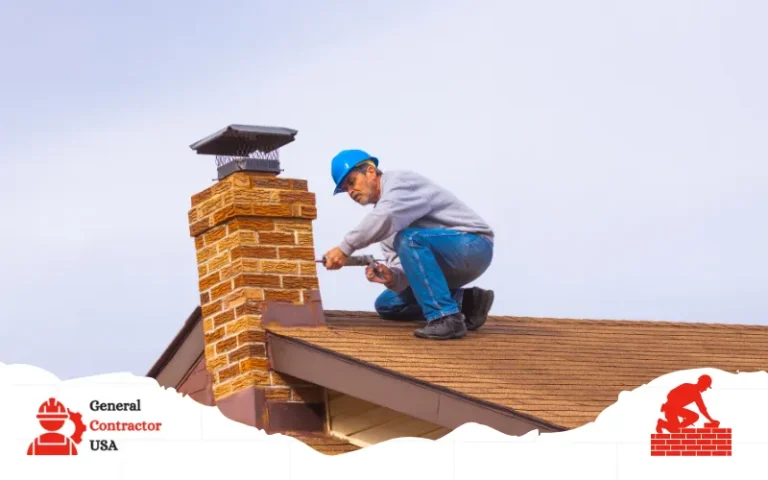

When you think about home maintenance, the chimney might not be the first thing that comes to mind. However, neglecting this crucial component can lead to serious safety hazards and costly repairs. Regular chimney repair is essential for ensuring that your fireplace operates efficiently and safely.
A well-maintained chimney not only enhances the performance of your heating system but also protects your home from potential fire hazards. By prioritizing chimney care, you can enjoy cozy evenings by the fire without worrying about the risks associated with a neglected chimney. Moreover, maintaining your chimney can significantly extend its lifespan.
Just like any other part of your home, chimneys are subject to wear and tear over time. Weather conditions, such as rain, snow, and extreme temperatures, can take a toll on your chimney’s structure. Regular inspections and maintenance can help identify issues before they escalate into major problems.
By investing time and resources into chimney upkeep, you are safeguarding your home and ensuring that your fireplace remains a source of warmth and comfort for years to come.
Key Takeaways
- Regular chimney maintenance is crucial for the safety and efficiency of your fireplace and home.
- Common chimney issues include creosote buildup, blockages, and structural damage.
- Hiring a professional chimney inspector is essential to identify and address potential problems early on.
- Regular cleaning and maintenance, including removing creosote and debris, is necessary to prevent chimney fires and carbon monoxide buildup.
- Repairing cracks and leaks, as well as replacing damaged chimney liners, is important to maintain the integrity of the chimney structure.
Identifying common chimney issues
As a homeowner, it’s crucial to be aware of the common issues that can affect your chimney. One of the most prevalent problems is creosote buildup, which occurs when wood smoke condenses inside the chimney. This flammable substance can pose a significant fire risk if not addressed promptly.
You may notice a strong odor or see dark stains on the interior of your chimney, indicating that creosote has accumulated. Regular inspections can help you catch this issue early, allowing for timely cleaning and reducing the risk of a dangerous chimney fire. Another common issue is structural damage, which can manifest as cracks or crumbling masonry.
Over time, exposure to moisture and temperature fluctuations can weaken the integrity of your chimney. If you notice any signs of deterioration, such as loose bricks or mortar, it’s essential to address these problems immediately. Ignoring structural issues can lead to more extensive damage and costly repairs down the line.
By being vigilant and proactive in identifying these common chimney issues, you can maintain a safe and functional fireplace.
Hiring a professional chimney inspector
When it comes to chimney maintenance, enlisting the help of a professional chimney inspector is one of the best decisions you can make. While you may be tempted to conduct inspections yourself, trained professionals have the expertise and tools necessary to identify potential problems that may go unnoticed by an untrained eye. A professional chimney inspector will conduct a thorough examination of your chimney, checking for creosote buildup, structural integrity, and any signs of damage or wear.
Additionally, hiring a professional ensures that any necessary repairs or maintenance are performed correctly. They can provide you with valuable insights into the condition of your chimney and recommend appropriate actions based on their findings. This not only saves you time but also gives you peace of mind knowing that your chimney is in capable hands.
Investing in a professional inspection is a proactive step toward maintaining the safety and efficiency of your fireplace.
Regular cleaning and maintenance
| Area | Frequency | Action |
|---|---|---|
| Floors | Weekly | Mop and vacuum |
| Windows | Monthly | Wash with glass cleaner |
| Appliances | Quarterly | Clean and inspect for maintenance |
| Bathroom | Bi-weekly | Scrub and disinfect |
Regular cleaning is a fundamental aspect of chimney maintenance that should never be overlooked. Depending on how often you use your fireplace, it’s recommended to have your chimney cleaned at least once a year. This process involves removing creosote buildup and debris that can accumulate over time.
A clean chimney allows for better airflow and reduces the risk of chimney fires, making it an essential part of keeping your home safe. In addition to cleaning, routine maintenance tasks should also be performed to ensure your chimney remains in optimal condition. This includes checking for any signs of wear or damage, such as cracks in the masonry or issues with the flue lining.
By staying on top of these maintenance tasks, you can catch potential problems early and address them before they escalate into more significant issues. Regular cleaning and maintenance not only enhance the safety of your fireplace but also improve its efficiency, allowing you to enjoy warm and inviting fires without worry.
Repairing cracks and leaks
Cracks and leaks in your chimney can lead to serious problems if left unaddressed. Water intrusion can cause significant damage to both the chimney structure and the surrounding areas of your home. If you notice any cracks in the masonry or leaks during heavy rain, it’s crucial to take action immediately.
Repairing these issues not only protects your home from water damage but also helps maintain the overall integrity of your chimney. There are various methods for repairing cracks and leaks in chimneys, depending on the severity of the damage. Minor cracks may be filled with specialized sealants designed for masonry, while more extensive damage may require professional intervention.
A qualified contractor can assess the situation and recommend the best course of action to ensure that your chimney remains structurally sound. By addressing cracks and leaks promptly, you can prevent further deterioration and maintain a safe environment for your family.
Replacing damaged chimney liners
Chimney liners play a vital role in protecting your home from heat transfer and preventing harmful gases from entering your living space. Over time, these liners can become damaged due to corrosion or wear from regular use. If you suspect that your chimney liner is compromised, it’s essential to have it inspected by a professional.
Signs of damage may include flaking or cracking within the liner itself.
Replacing a damaged chimney liner is crucial for maintaining safety and efficiency in your fireplace system. A qualified technician can assess the condition of your liner and recommend appropriate replacement options based on your specific needs.
Whether you opt for stainless steel or clay liners, ensuring that your chimney has a functional liner is essential for preventing dangerous situations such as carbon monoxide leaks or house fires. By prioritizing this aspect of chimney maintenance, you are taking an important step toward safeguarding your home.
Addressing chimney flashing and cap issues
Chimney flashing and caps are often overlooked components that play a significant role in protecting your chimney from water damage.
Flashing is the material installed where the roof meets the chimney, designed to prevent water from seeping into your home.
Over time, flashing can become damaged or corroded, leading to leaks and water intrusion.
If you notice water stains on your ceiling or walls near the chimney, it may be time to inspect the flashing for potential issues. Chimney caps serve as another line of defense against water damage by preventing rain, debris, and animals from entering the flue. A damaged or missing cap can lead to various problems, including blockages and increased moisture levels within the chimney system.
Regularly inspecting both flashing and caps ensures that these protective elements are functioning correctly. If repairs or replacements are needed, addressing them promptly will help maintain the integrity of your chimney and prevent costly water damage down the line.
Ensuring proper ventilation and airflow
Proper ventilation and airflow are critical for the safe operation of your fireplace. A well-ventilated chimney allows smoke and gases to exit efficiently while drawing in fresh air for combustion. If you notice excessive smoke in your home or difficulty starting fires, it may indicate ventilation issues within your chimney system.
Regular inspections can help identify blockages caused by debris or animal nests that hinder airflow. To ensure optimal ventilation, consider installing a top-sealing damper that helps regulate airflow when the fireplace is not in use. This device prevents drafts while allowing for proper ventilation during operation.
Additionally, keeping the area around your chimney clear of obstructions will promote better airflow and enhance overall efficiency. By prioritizing proper ventilation and airflow in your chimney system, you can enjoy safer fires while maximizing the performance of your fireplace. In conclusion, maintaining your chimney is an essential aspect of homeownership that should not be overlooked.
From understanding common issues to hiring professionals for inspections and repairs, taking proactive steps will ensure that your fireplace remains safe and efficient for years to come. By investing time in regular cleaning, addressing structural concerns, replacing damaged components, and ensuring proper ventilation, you create a warm and inviting atmosphere in your home while safeguarding against potential hazards. Prioritize chimney maintenance today for peace of mind tomorrow.
FAQs
What are common signs that indicate chimney repairs are needed?
Some common signs that indicate chimney repairs are needed include crumbling mortar, cracked or damaged bricks, water leaks, rusted or damaged chimney cap, and a leaning or tilting chimney.
How often should chimney inspections be done?
Chimney inspections should be done at least once a year, preferably before the start of the heating season, to ensure that the chimney is in good working condition and to address any potential issues before they become major problems.
What are the different types of chimney repairs that may be needed?
Some common types of chimney repairs include tuckpointing (replacing damaged mortar), replacing damaged bricks, repairing or replacing the chimney cap, fixing chimney leaks, and addressing issues with the chimney liner.
Can I do chimney repairs myself, or should I hire a professional?
While some minor chimney repairs can be done by homeowners, it is generally recommended to hire a professional chimney repair service for more extensive repairs. Chimney work can be dangerous and requires specialized knowledge and equipment.
How can I prevent the need for chimney repairs in the future?
To prevent the need for chimney repairs in the future, it is important to have regular chimney inspections and cleanings, use a chimney cap to keep out debris and animals, and address any issues with water leaks or moisture intrusion promptly. Additionally, using seasoned firewood and avoiding burning trash or other inappropriate materials can help prevent chimney damage.


