
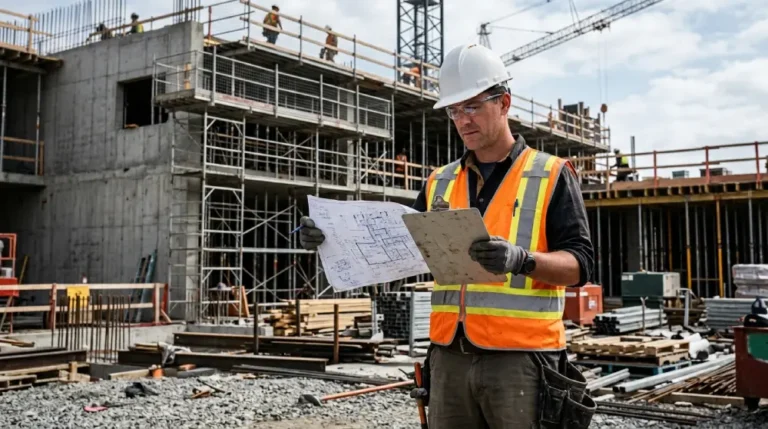

Common contractor mistakes to avoid can make the difference between a smooth project and a frustrating one. Whether you are managing a small renovation or a large build, small errors in planning, communication, or execution can snowball into major setbacks. Understanding these mistakes early helps contractors protect their reputation and deliver better results for every client.
- Skipping Proper Licensing and Insurance Checks
- Poor Communication with Clients
- Inadequate Project Planning
- Hiring Unqualified Subcontractors
- Neglecting Safety Protocols
- Poor Material Management
- Ignoring Building Codes and Permits
- Weak Documentation Practices
- Failing to Manage Changes Properly
- Not Investing in Continuous Training
- Conclusion
- Frequently Asked Questions
Skipping Proper Licensing and Insurance Checks
One of the most damaging mistakes a contractor can make is neglecting licensing and insurance requirements. Every region has specific rules that contractors must follow before starting work.
Ignoring these requirements puts both the contractor and the client at risk. It can also lead to project delays if authorities step in once work has already begun. Staying updated with local regulations keeps everything running smoothly.
Poor Communication with Clients

Communication problems are among the top reasons projects fail. When contractors and clients are not on the same page, misunderstandings quickly follow.
Not Setting Clear Expectations
Many contractors jump into a project without clearly outlining the scope of work. This often leads to confusion later when clients expect something different from what was originally discussed.
Setting expectations early, including timelines and responsibilities, helps avoid conflicts down the road.
Ignoring Client Feedback
Some contractors dismiss client concerns instead of addressing them directly. This creates frustration and damages trust.
Listening actively and responding to feedback shows professionalism and helps maintain a positive working relationship throughout the project.
Inadequate Project Planning
A lack of proper planning is one of the most common contractor mistakes to avoid. Jumping into a project without a clear roadmap often results in wasted time and unnecessary stress.
Failing to Create a Realistic Timeline
Contractors sometimes underestimate how long tasks will take. This leads to rushed work, missed deadlines, and unhappy clients.
Building a realistic schedule that accounts for potential delays helps keep projects on track.
Overlooking Site Assessments
Skipping a thorough site assessment before starting work can cause major issues later. Hidden structural problems, drainage issues, or utility conflicts often surface midway through construction if they are not identified early.
A detailed assessment at the start saves time and prevents costly surprises.
Hiring Unqualified Subcontractors
Bringing in subcontractors without checking their experience and credentials is a common misstep. Unqualified workers can compromise the quality of the entire project.
Vetting subcontractors carefully, checking references, and confirming their expertise ensures the work meets professional standards.
Neglecting Safety Protocols
Safety should never be an afterthought on any job site. Contractors who overlook safety measures put workers and clients at serious risk.
Regular safety briefings, proper equipment use, and adherence to safety standards should be a non negotiable part of every project.
Poor Material Management
Mismanaging materials, whether through overordering, underordering, or improper storage, can disrupt the flow of a project. Damaged or missing materials often cause unnecessary delays.
Keeping accurate inventory and storing materials properly helps maintain project momentum and reduces waste.
Ignoring Building Codes and Permits
Building codes exist to ensure safety and structural integrity. Contractors who ignore these codes or skip necessary permits risk facing legal trouble and project shutdowns.
Staying informed about local building codes and securing the right permits before starting work protects both the contractor and the client.
Weak Documentation Practices
Contracts, change orders, and project notes are essential parts of any construction project. Contractors who fail to document agreements and changes often face disputes later.
Keeping thorough records of every decision, conversation, and modification provides clarity and protects everyone involved if disagreements arise.
Failing to Manage Changes Properly
Projects rarely go exactly as planned. Clients often request changes midway through construction, and contractors who fail to handle these changes properly can face confusion and delays.
Establishing a clear process for reviewing and approving changes ensures that everyone understands the impact on the timeline and scope of work.
Not Investing in Continuous Training
The construction industry evolves constantly with new techniques, materials, and safety standards. Contractors who stop learning risk falling behind.
Investing in ongoing training and staying updated with industry trends helps contractors deliver higher quality work and stay competitive in their field.
Conclusion
Avoiding these common contractor mistakes requires attention to detail, strong communication, and consistent planning. From licensing and safety to documentation and training, every step matters in delivering a successful project. Contractors who focus on these areas build stronger client relationships and a more reliable reputation over time.
Frequently Asked Questions
What are the most common contractor mistakes to avoid?
The most common mistakes include poor communication, inadequate planning, skipping permits, hiring unqualified subcontractors, and neglecting safety protocols.
Why is communication important in construction projects?
Clear communication helps set expectations, prevents misunderstandings, and keeps clients informed throughout the project, reducing the chances of disputes.
How can contractors avoid project delays?
Contractors can avoid delays by creating realistic timelines, conducting thorough site assessments, and managing materials and changes effectively.
Why is documentation important for contractors?
Proper documentation protects contractors and clients by providing a clear record of agreements, changes, and decisions made throughout the project.
How often should contractors update their skills and training?
Contractors should pursue training regularly, staying updated with new building codes, materials, and safety standards to maintain quality and compliance.


