
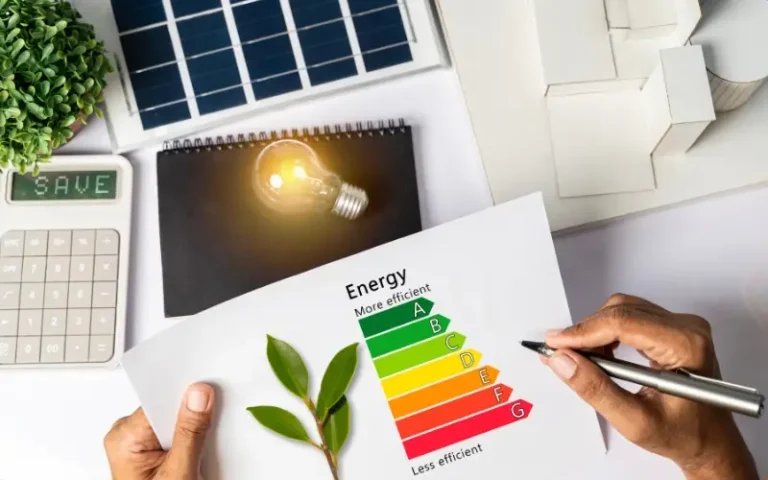

In today’s world, energy efficiency is more than just a buzzword—it’s a critical aspect of commercial construction. As businesses aim to reduce operational costs and meet sustainability goals, energy-efficient buildings have become a top priority. This guide explores the key energy-saving features that define modern commercial projects.
The Importance of Energy Efficiency in Commercial Buildings
Energy-efficient commercial buildings not only reduce utility bills but also minimize environmental impact. Here’s why energy efficiency matters:
- Cost Savings: Lower energy consumption translates to reduced operating expenses.
- Sustainability Goals: Businesses can contribute to a greener planet by lowering carbon footprints.
- Regulatory Compliance: Many jurisdictions require buildings to meet specific energy standards.
- Enhanced Market Value: Energy-efficient properties are more attractive to tenants and buyers.
Energy-Saving Features in Commercial Buildings
High-Performance Building Envelope
A building’s envelope, including walls, roofs, windows, and doors, plays a critical role in energy efficiency. Features to consider:
- Insulation: High-quality insulation reduces heat transfer, maintaining interior temperatures.
- Energy-Efficient Windows: Double or triple-glazed windows minimize heat loss and solar gain.
- Air Sealing: Preventing air leaks ensures better control of indoor temperatures.
Smart HVAC Systems
Heating, ventilation, and air conditioning (HVAC) systems are significant energy consumers in commercial spaces. Upgrades and modern systems can make a big difference:
- Zoned HVAC Systems: Allow for temperature control in specific areas, avoiding unnecessary heating or cooling.
- Programmable Thermostats: Automatically adjust temperatures based on occupancy.
- Energy Recovery Ventilation (ERV): Captures and reuses waste energy from exhaust air.
LED Lighting
Lighting accounts for a considerable portion of energy use in commercial buildings. Switching to LED technology offers:
- Lower Energy Consumption: LED lights use up to 75% less energy than traditional bulbs.
- Longer Lifespan: LEDs reduce maintenance costs with their extended durability.
- Smart Controls: Motion sensors and timers ensure lights are only on when needed.
Renewable Energy Integration
Incorporating renewable energy sources can significantly enhance a building’s energy profile:
- Solar Panels: Generate clean electricity and reduce reliance on the grid.
- Wind Turbines: Suitable for areas with consistent wind conditions.
- Geothermal Systems: Provide efficient heating and cooling by leveraging the earth’s natural temperatures.
Water Conservation Strategies
Energy-efficient buildings often go hand-in-hand with water-saving measures:
- Low-Flow Fixtures: Reduce water usage in restrooms and kitchens.
- Rainwater Harvesting: Collect and reuse rainwater for landscaping or non-potable purposes.
- Efficient Irrigation Systems: Use drip irrigation and smart controls to minimize water waste.
Advanced Building Automation Systems
Smart building technology enables real-time monitoring and optimization of energy use:
- Energy Management Systems (EMS): Track and analyze energy consumption patterns.
- Occupancy Sensors: Automatically adjust lighting, heating, and cooling based on occupancy.
- Smart Grids: Enable buildings to participate in demand-response programs.
Sustainable Materials and Construction Practices
Using eco-friendly materials and methods can contribute to energy efficiency:
- Recycled Materials: Reduce waste and energy required for manufacturing.
- Cool Roofs: Reflect more sunlight and absorb less heat.
- Low-Emissivity Coatings: Minimize heat transfer through windows and walls.
Benefits of Energy-Efficient Commercial Buildings
Improved Comfort and Productivity
Energy-efficient buildings create a more comfortable environment for occupants:
- Consistent Temperatures: Minimize hot and cold spots.
- Better Air Quality: Advanced ventilation systems reduce pollutants and allergens.
- Enhanced Lighting: Proper lighting improves focus and reduces eye strain.
Long-Term Financial Returns
Investing in energy efficiency yields significant financial benefits over time:
- Lower Operating Costs: Reduced energy bills free up resources for other investments.
- Higher Resale Value: Energy-efficient properties command higher prices in the market.
- Tax Incentives: Many governments offer rebates and credits for energy-efficient upgrades.
The Role of Certifications in Energy Efficiency
Energy certifications validate a building’s efficiency and sustainability efforts:
- LEED (Leadership in Energy and Environmental Design): Recognizes sustainable design and construction.
- ENERGY STAR: Highlights buildings that meet strict energy performance standards.
- BREEAM: Assesses environmental, social, and economic sustainability.
How to Transition to Energy Efficiency
Conduct an Energy Audit
Start by evaluating the building’s current energy performance:
- Identify areas of high energy consumption.
- Pinpoint inefficiencies and prioritize improvements.
Implement Energy Retrofits
Upgrade existing systems and infrastructure:
- Replace outdated lighting and HVAC systems.
- Install smart building technologies.
- Enhance insulation and air sealing.
Engage Professionals
Collaborate with architects, engineers, and energy consultants:
- Design customized energy-saving solutions.
- Ensure compliance with local regulations and standards.
Conclusion
Energy efficiency in commercial buildings is not just a trend—it’s a necessity. From reducing operational costs to meeting sustainability goals, the benefits are undeniable. By incorporating features like high-performance building envelopes, smart HVAC systems, LED lighting, and renewable energy, businesses can create spaces that are both cost-effective and environmentally friendly. With careful planning and strategic investments, the path to an energy-efficient future is within reach.
Frequently Asked Questions
What are the benefits of energy-efficient commercial buildings?
Energy-efficient commercial buildings lower utility costs, reduce environmental impact, meet regulatory standards, and enhance market value. They also improve occupant comfort through consistent temperatures, better air quality, and advanced lighting systems. Additionally, these buildings often qualify for tax incentives and higher resale value.
How does a high-performance building envelope improve energy efficiency?
A high-performance building envelope, including insulation, energy-efficient windows, and air sealing, minimizes heat transfer and prevents air leaks. This helps maintain indoor temperatures, reducing the need for excessive heating or cooling and lowering overall energy consumption.
Why is LED lighting better for commercial spaces?
LED lighting uses significantly less energy than traditional bulbs, lasting longer and reducing maintenance costs. Smart controls like motion sensors and timers further enhance energy savings by ensuring lights are only active when needed.
How can renewable energy integration benefit commercial buildings?
Incorporating solar panels, wind turbines, or geothermal systems reduces dependence on the grid, lowers energy costs, and contributes to sustainability goals. Renewable energy systems also improve a building’s marketability and can qualify for financial incentives or tax credits.
What role do certifications play in energy-efficient buildings?
Certifications like LEED, ENERGY STAR, and BREEAM validate a building’s energy efficiency and sustainability. They provide assurance to tenants and buyers about performance standards, improve property value, and help buildings comply with environmental regulations.


