
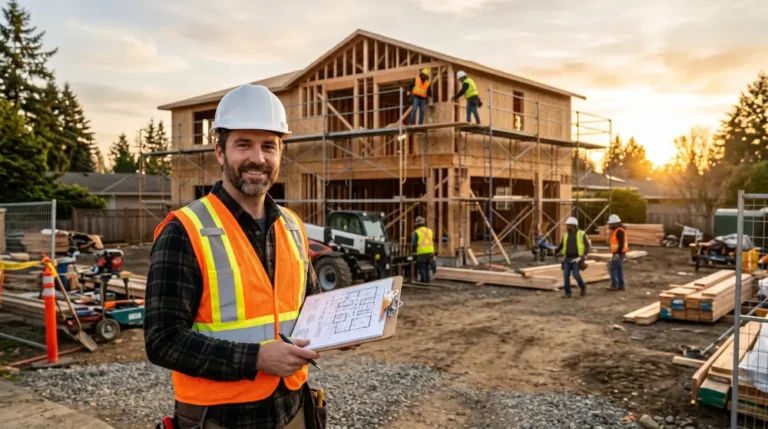

When it comes to building, renovating, or transforming any space, few decisions matter more than choosing the right professional to lead the project. General contractor services are the foundation of every successful construction endeavor whether you’re remodeling a kitchen, adding a new room, or constructing a commercial building from the ground up.
This guide covers everything you need to know about what general contractors do, the services they provide, and why hiring the right one makes all the difference.
What Is a General Contractor?
A general contractor is a licensed construction professional who takes full responsibility for planning, coordinating, and executing a construction or renovation project. They serve as the central hub connecting property owners, architects, engineers, subcontractors, and suppliers ensuring every component of a project moves forward in harmony.
Unlike individual tradespeople who specialize in one area, a general contractor oversees the entire project lifecycle. From the first blueprint review to the final walkthrough, they are your single point of accountability on the job site.
The Full Scope of General Contractor Services
1. Pre-Construction Planning and Consultation
Every successful project begins long before the first tool is picked up. General contractors provide thorough pre-construction services that set the foundation for smooth execution. This includes reviewing architectural drawings, assessing site conditions, identifying potential obstacles, and developing a realistic project roadmap.
During this phase, the contractor works closely with architects, engineers, and the property owner to ensure that the vision for the project is clearly defined, technically sound, and ready for execution. Problems identified at this stage are far easier and less disruptive to resolve than those discovered mid-construction.
2. Permitting and Regulatory Compliance
Navigating the world of building permits and local regulations is one of the most important and often most overlooked aspects of construction. General contractor services include managing the entire permitting process on your behalf.
Every project, regardless of its size, must comply with local building codes, zoning ordinances, and safety regulations. A knowledgeable general contractor understands these requirements inside and out. They submit permit applications, coordinate inspections, and ensure all work is performed in compliance with the standards required by your local authority.
The National Institute of Building Sciences outlines national standards and best practices that guide compliant, safe construction across the United States. Working with a contractor who follows these standards protects both your investment and the safety of everyone who uses the finished structure.
Skipping permits or working with an unlicensed contractor can result in forced demolition, legal penalties, or complications when selling your property in the future.
3. Subcontractor Hiring and Management
General contractors rarely complete every task on a project themselves. Instead, they build and manage a trusted team of licensed subcontractors, each specializing in a specific trade. This typically includes:
- Electricians
- Plumbers
- HVAC technicians
- Roofers
- Flooring and tile specialists
- Drywall installers
- Painters and finish carpenters
The general contractor is responsible for hiring qualified subcontractors, scheduling their work in the correct sequence, and ensuring their output meets the quality standards required by the project. This coordination is one of the most complex and valuable aspects of what a general contractor does and it relieves the property owner of an enormous logistical burden.
4. Residential Construction Services
General contractors are the driving force behind a wide range of residential construction and remodeling projects:
New Home Construction: Building a home from scratch requires careful coordination of dozens of trades and hundreds of decisions. A general contractor manages the entire process, from foundation work and framing to roofing, insulation, drywall, and finishing touches.
Kitchen Remodeling: Kitchen renovations involve plumbing, electrical, cabinetry, countertops, flooring, and lighting all of which must be coordinated carefully. A general contractor ensures these systems work together seamlessly.
Bathroom Renovation: From tile work and fixture installation to ventilation and waterproofing, bathroom remodels demand precise craftsmanship and careful sequencing of trades.
Room Additions: Adding square footage to an existing home requires structural engineering, foundation work, and integration with existing electrical, plumbing, and HVAC systems. General contractors manage this complexity from start to finish.
Basement Finishing: Converting an unfinished basement into functional living space involves moisture management, framing, insulation, electrical work, and egress compliance all areas where a general contractor’s expertise is essential.
Exterior Renovations: Siding replacement, deck construction, window and door installation, and roofing projects all fall within the scope of residential general contractor services.
5. Commercial Construction Services
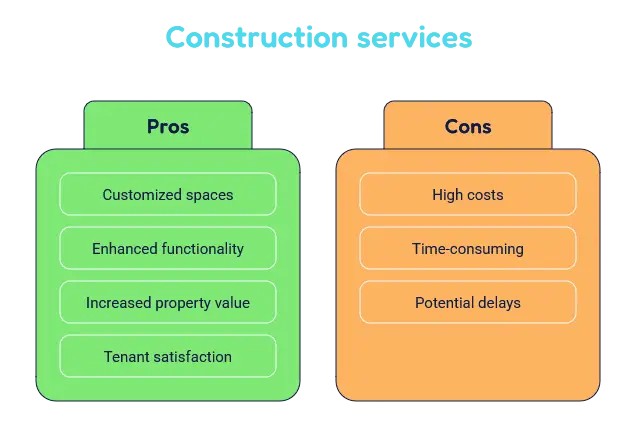
Beyond residential work, general contractor services extend fully into the commercial sector. Commercial projects introduce additional layers of complexity, stricter code requirements, and a greater need for precise scheduling to minimize operational disruption.
Common commercial general contractor services include:
- Office space build-outs and tenant improvements
- Retail store and showroom construction
- Restaurant and hospitality fit-outs
- Warehouse and industrial facility development
- Multi-unit residential building construction
- Medical and educational facility renovations
Commercial contractors are experienced in working within occupied or semi-occupied environments, coordinating phased construction to allow businesses to continue operating during the project.
6. Project Scheduling and Timeline Management
One of the most valuable services a general contractor provides is keeping your project on schedule. Construction projects involve dozens of interdependent tasks delay one, and several others may follow.
General contractors develop detailed project schedules that map out every phase of construction in sequence. They monitor progress daily, identify bottlenecks before they cause delays, and make real-time adjustments to keep the project moving forward. This proactive approach to timeline management is a key factor in delivering projects on time.
7. Material Procurement and Supply Chain Coordination
Sourcing the right materials, at the right time, in the right quantities, is a logistical challenge that general contractors handle on your behalf. Their established relationships with suppliers and vendors allow them to coordinate material deliveries to align precisely with the construction schedule reducing waste, preventing delays, and maintaining consistent quality throughout the project.
They also manage on-site material storage, handle returns and exchanges when needed, and ensure specialty or custom materials are ordered with appropriate lead times.
8. Budget Oversight and Financial Management
Keeping a construction project within its approved budget requires constant vigilance. General contractors track every expenditure against the original estimate, provide regular financial updates, and flag any potential cost impacts before they escalate.
When project scope changes which is common in construction the contractor manages the change order process, providing clear documentation of what was added, removed, or modified and how it affects the overall project. Transparent financial management is a hallmark of a trustworthy general contractor.
9. Worksite Safety and Risk Management
Construction sites carry inherent risks, and maintaining a safe working environment is a primary responsibility of the general contractor. They enforce compliance with OSHA (Occupational Safety and Health Administration) standards, ensure all workers use appropriate personal protective equipment, and maintain a hazard-free job site.
According to research from MIT’s Department of Civil and Environmental Engineering, integrating safety planning into early construction management significantly reduces workplace incidents and improves project outcomes overall.
A general contractor’s safety protocols protect not only workers on the site but also neighboring properties and the general public.
10. Quality Control and Inspections
Throughout the construction process, general contractors conduct ongoing quality control checks to ensure all work meets the required standards. They coordinate third-party inspections at key milestones such as framing, rough-in plumbing and electrical, insulation, and final completion and ensure any issues identified are corrected promptly.
Quality control is not a one-time event at the end of a project. It is a continuous process woven into every phase of construction.
11. Post-Construction Completion and Punch List
As a project approaches completion, the general contractor conducts a comprehensive walkthrough with the property owner to identify any remaining items that need attention. This is commonly known as the “punch list” a final checklist of touch-ups, corrections, and unfinished details that must be resolved before the project is officially closed out.
This may include minor paint touch-ups, hardware adjustments, caulking, or system testing. The general contractor ensures every item is addressed to the client’s satisfaction before considering the project complete.
Why Professional General Contractor Services Matter
Attempting to self-manage a construction project without a licensed general contractor is a common source of costly mistakes, failed inspections, and unfinished projects. Here is why working with a professional makes a meaningful difference:
- Unified Accountability: One professional is responsible for the entire project, eliminating confusion about who is responsible for what.
- Licensed and Insured: Reputable general contractors carry general liability insurance and workers’ compensation coverage, protecting property owners from financial exposure if accidents occur.
- Code and Inspection Knowledge: A licensed contractor understands exactly what inspectors look for and ensures work is done correctly the first time.
- Established Trade Network: Access to a vetted team of subcontractors means higher quality workmanship across every trade involved in your project.
- Stress Reduction: Managing a construction project involves hundreds of decisions and communications. A general contractor handles this complexity so you don’t have to.
How to Select the Right General Contractor
Choosing the right professional for your project requires careful evaluation. Consider the following when making your decision:
- Verify Licensing: Confirm the contractor holds a valid license in your state and that it is in good standing.
- Check Insurance: Always request proof of general liability and workers’ compensation insurance before signing any agreement.
- Review Their Portfolio: Look at completed projects similar in scope to yours to assess the quality and range of their work.
- Request References: Speaking directly with past clients gives you real insight into communication, reliability, and craftsmanship.
- Read the Contract Carefully: A detailed written contract should outline the full scope of work, timeline, payment schedule, warranty terms, and change order procedures. Never proceed without one.
- Assess Communication: Choose a contractor who is responsive, honest, and easy to reach. Clear communication throughout the project is just as important as technical skill.
As noted by the U.S. Bureau of Labor Statistics, construction management professionals play a critical role in delivering projects safely and efficiently making the selection of a qualified contractor one of the most important steps in any construction endeavor.
Conclusion
General contractor services represent far more than construction work. They represent a comprehensive professional commitment to planning, coordination, quality, safety, and accountability across every phase of your project. From the first consultation to the final punch list item, a skilled general contractor is the professional who brings your vision to life on time, to standard, and with your best interests at heart.
Whether your project is a single-room renovation or a large-scale commercial build, investing in professional general contractor services is the smartest decision you can make before breaking ground.
FAQs
What does a general contractor do?
A general contractor manages and oversees construction or renovation projects from start to finish. They handle pre-construction planning, permitting, subcontractor hiring, scheduling, quality control, and post-construction completion to ensure every phase of the project runs smoothly and meets required standards.
Do I need a general contractor for a small renovation project?
Even for smaller renovation projects, hiring a general contractor is highly recommended. They ensure the work is done correctly, up to code, and with the right licensed tradespeople. This protects your investment and prevents costly mistakes that can arise from improper installations or missed permits.
What is the difference between a general contractor and a subcontractor?
A general contractor oversees the entire project and is responsible for all aspects of construction management. A subcontractor is a specialist hired by the general contractor to perform a specific trade such as electrical work, plumbing, roofing, or flooring. The general contractor coordinates all subcontractors on your behalf.
What should I look for when hiring a general contractor?
When hiring a general contractor, always verify their license and insurance, review their portfolio of completed projects, check client references, and ensure a detailed written contract is in place before any work begins. Strong communication, transparency, and a proven track record are the most important qualities to look for in a professional general contractor.
How long does a typical construction or renovation project take?
Project timelines vary depending on the scope, size, and complexity of the work involved. A bathroom renovation may take a few weeks while a full home build or large commercial project can take several months. Your general contractor will provide a detailed project schedule during the pre-construction planning phase so you know exactly what to expect.


