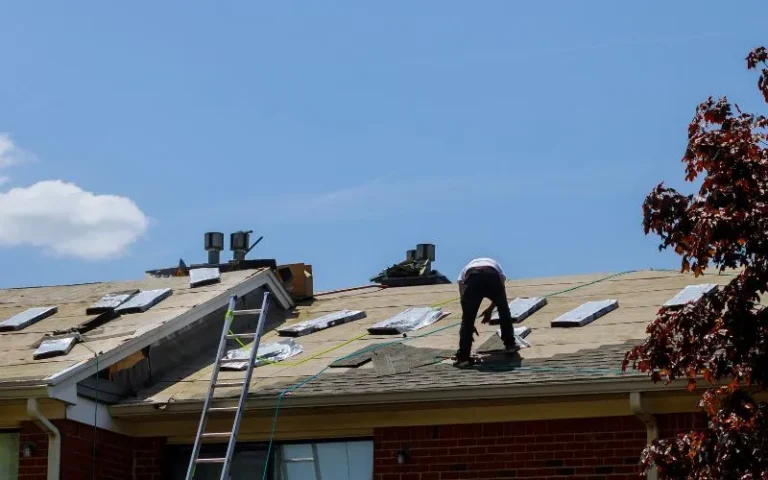

You’re standing in your living room, a tell-tale drip, drip, drip echoing from the ceiling. Or maybe you’ve noticed a scattering of shingle granules in your gutters, or perhaps a few suspect spots appearing on your attic’s insulation. These are the unmistakable signs that your roof needs attention. And when that attention is required, you’re immediately faced with a critical decision: repair or replacement? This isn’t a choice to be taken lightly. Your roof is your home’s primary shield against the elements, and making the wrong call can lead to costly headaches, extensive damage, and a significantly compromised living environment. This guide is designed to equip you with the knowledge you need to navigate this crucial decision, ensuring you make the most informed and beneficial choice for your home and your wallet.
Before you can even begin to consider repair versus replacement, you need to have a solid understanding of your roof’s current condition. This involves more than just identifying a leak. A comprehensive assessment will help you pinpoint the extent of any damage, its root cause, and the overall lifespan left in your roofing system. Think of it like a medical check-up for your house; you need to know the symptoms, the underlying condition, and the prognosis before deciding on treatment.
The Anatomy of Your Roof
To truly understand roof issues, you need to know what you’re looking at. Your roof isn’t just a flat surface; it’s a complex system designed for durability and protection.
The Foundation: Your Roof Decking
This is the structural layer, typically made of plywood or Oriented Strand Board (OSB), that your shingles are fastened to. It provides the rigid base for the entire roofing system. Damage here, such as rot or warping, often signals a more significant problem and might necessitate replacement.
The Intermediary: Underlayment
Beneath the shingles lies a waterproof barrier, usually made of felt or synthetic material. This acts as a secondary line of defense against moisture that might penetrate the primary roofing material. Tears or degradation of the underlayment can lead to leaks.
The Shield: Your Shingles (or Roofing Material)
This is the most visible component of your roof. Whether you have asphalt shingles, metal roofing, tile, or other materials, this layer is designed to withstand UV rays, precipitation, and physical impact. Deterioration here is often the first indicator of a problem.
The Guardians: Flashing and Vents
Critical to preventing leaks are the flashing materials installed around chimneys, vents, skylights, and in valleys where roof planes meet. These are typically made of metal. Vents allow your attic to breathe, preventing moisture buildup. Damage to flashing or blocked vents can be a significant source of leaks.
The Drainage System: Gutters and Downspouts
While not part of the roof itself, your gutters and downspouts are integral to directing water away from your foundation. Clogged or damaged gutters can cause water to back up onto your roof and fascia, leading to rot and other issues.
Signs That Point to Trouble
Recognizing the early warning signs of roof damage is paramount. The sooner you identify a problem, the more likely it is that a repair will suffice and the less extensive the damage will be.
Visible Damage from the Ground
- Curling or Cupping Shingles: Shingles that are beginning to curl upwards or cup is a sign of age and wear, indicating they’re losing their protective qualities.
- Cracked or Broken Shingles: Obvious physical damage like cracks or missing pieces means your roof is no longer providing a continuous barrier.
- Missing Shingles: A gaping hole where a shingle should be is a direct invitation for water to enter your home.
- Granule Loss: If you notice a significant amount of shingle granules in your gutters or around the base of your home, it means the protective top layer of your shingles is eroding, reducing their effectiveness and lifespan.
- Sagging Roofline: A visible dip or sag in your roofline can indicate structural issues, such as rot in the decking or problems with the underlying framing. This is a serious concern.
What You See Indoors
- Water Stains on Ceilings or Walls: This is perhaps the most alarming sign. Discoloration, peeling paint, or even actual dripping are clear indicators of leaks.
- Mold or Mildew Growth: Dampness in your attic or on the underside of your roof deck can lead to mold and mildew, which are not only unsightly but also pose health risks.
- Light Penetrating the Attic: During the day, if you can see daylight filtering through your roof from inside your attic, it means there are holes allowing water to enter.
- Increased Energy Bills: A compromised roof can lead to poor insulation, allowing heat to escape in the winter and cool air to dissipate in the summer.
Signs You Might Miss
- Damaged or Loose Flashing: Often hidden around penetrations, compromised flashing is a prime culprit for leaks that might not be immediately obvious.
- Rotting Fascia and Soffit: The wooden boards that run along the edge of your roof (fascia) and beneath the overhang (soffit) can rot if constantly exposed to moisture. This often starts at the roof edge.
- Blocked Gutters: As mentioned, clogged gutters can cause water to pool and back up, leading to roof damage.
When a Repair Might Be Your Best Option
The word “repair” often brings to mind a quick fix, a patch to solve an immediate problem. In many cases, this is accurate. If the damage to your roof is isolated, relatively minor, and the overall system is still in good condition, a repair is likely the most cost-effective and practical solution. The key is to act swiftly once you notice the issue.
Common Scenarios for Roof Repair
- Minor Shingle Damage: If you have a few cracked, torn, or missing shingles, and the rest of your roof is in decent shape, replacing those specific shingles can be an effective repair. This is especially true if the damage is recent.
- Leaky Flashing: Compromised flashing around chimneys, vents, or skylights is a common cause of leaks. Repairing or replacing the damaged flashing can often resolve the issue without disturbing the surrounding shingles.
- Small Rotting Areas in Decking: If a small section of your roof decking has become rotten due to a minor leak, a skilled roofer can cut out the damaged portion and replace it.
- Minor Gutter Issues: If your gutters are simply clogged or have a loose section, this can often be repaired without affecting the roofing material itself.
The Benefits of Choosing Repair
- Cost-Effectiveness: In the short term, repairs are almost always significantly cheaper than a full roof replacement. This can be a major deciding factor for homeowners on a tighter budget.
- Preserves Existing Material: If your roof has several years of good life left in it, why replace it prematurely? A repair allows you to extend its lifespan without the expense of a full tear-off and installation.
- Less Disruptive: Roof repairs are generally less noisy and disruptive to your daily life than a complete replacement. The work is usually completed in a shorter timeframe.
- Addresses Specific Problems: Repairs are ideal for targeting and fixing specific vulnerabilities in your roofing system.
When to Be Wary of Repair
While appealing, repairs are not always the best long-term solution. Be cautious if:
- The damage is widespread: If you have multiple areas of damage, extensive granule loss, or numerous curling shingles, a repair might be akin to putting a band-aid on a gaping wound.
- Your roof is nearing the end of its lifespan: If your asphalt shingles are already 15-20 years old, or if you’ve had multiple repairs in recent years, you might be better off investing in a replacement.
- The underlying structure is compromised: If your roof decking or framing is significantly rotted or damaged, a simple shingle repair won’t address the fundamental structural weakness.
- You’re consistently needing multiple repairs: A pattern of recurring repairs often indicates that the entire roofing system is failing and replacement is the more economical long-term solution.
The Case for a Full Roof Replacement
Sometimes, the only sensible option is to say goodbye to your old roof and welcome a brand new one. A full roof replacement is a significant undertaking, but it’s often the wisest investment when dealing with widespread damage, aging materials, or foundational issues.
When Replacement Becomes Necessary
- Advanced Age of Roofing Material: Most asphalt shingle roofs have a lifespan of 15-30 years, depending on the quality of the shingles and the climate. If your roof is in this age range and showing signs of wear, replacement is likely on the horizon.
- Widespread Shingle Damage: If a significant percentage of your shingles are cracked, curled, missing, or experiencing severe granule loss across large areas, a full replacement is usually the most practical solution.
- Persistent Leaks: If you’ve had multiple repairs that haven’t solved your leaking problem, or if the leaks are extensive and difficult to pinpoint, your entire roof system may be failing.
- Structural Issues: Sagging rooflines, rotting decking, or compromised framing are serious problems that necessitate a complete tear-off and repair or replacement of structural components.
- Desire for an Upgrade: You might also choose to replace your roof to upgrade to a more durable, energy-efficient, or aesthetically pleasing material.
The Advantages of a New Roof
- Long-Term Durability and Protection: A new roof is designed to last for its intended lifespan, providing robust protection against the elements for decades to come.
- Enhanced Energy Efficiency: Modern roofing materials often offer improved insulation properties, helping to regulate your home’s temperature and reduce energy costs.
- Increased Home Value: A new roof is a significant selling point and can substantially increase your home’s market value.
- Peace of Mind: Knowing your home is protected by a brand-new, warrantied roof system offers invaluable peace of mind. No more worrying about the next storm or the subtle drip.
- Elimination of Current Issues: A full replacement addresses all existing problems simultaneously, preventing future leaks and damage from aging components.
What a Replacement Entails
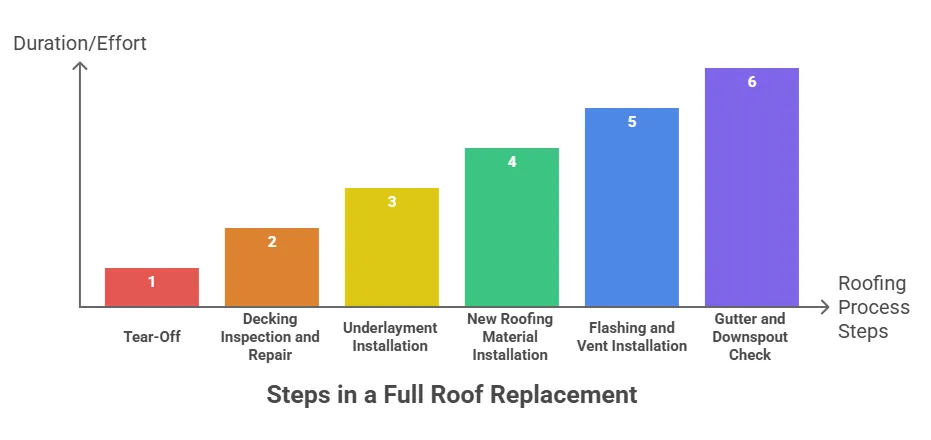
A full roof replacement is a comprehensive process involves:
- Tear-Off: All existing roofing layers, including shingles, underlayment, and sometimes even damaged decking, are removed down to the roof sheathing.
- Inspection and Repair of Decking: The roofers will carefully inspect the underlying wood decking for any signs of rot or damage. Any compromised sections will be repaired or replaced.
- Installation of Underlayment: A new waterproof underlayment is installed to provide a secondary barrier against moisture.
- Installation of New Roofing Material: Your chosen roofing material (shingles, metal, etc.) is expertly installed according to manufacturer specifications.
- Installation of Flashing and Vents: New flashing is installed around all penetrations, and any necessary ventilation upgrades are made.
- Gutter and Downspout Check/Repair: While not always part of a standard roof replacement quote, it’s a good time to have your gutters and downspouts inspected and potentially repaired or replaced.
The Crucial Role of Professional Assessment
Deciding between repair and replacement can be daunting. This is where a qualified and reputable roofing contractor becomes your most valuable asset. An experienced professional can provide an objective assessment of your roof’s condition, explain your options clearly, and offer expert recommendations.
Why You Need a Professional
- Expertise and Experience: Roofers have the knowledge to identify subtle signs of damage that the average homeowner might miss. They understand the complexities of roofing systems and can diagnose the root cause of problems.
- Safety: Working on a roof is dangerous. Professionals have the necessary safety equipment and training to perform the work safely.
- Accurate Assessment: They can provide a detailed report on the condition of your roof, including the age of the materials, the extent of damage, and the prognosis for the remaining lifespan.
- Material Knowledge: They can advise you on the best roofing materials for your climate, budget, and aesthetic preferences.
- Warranties: Reputable contractors offer warranties on both their workmanship and the materials they use, giving you added assurance.
What to Look for in a Roofing Contractor
- Licensing and Insurance: Ensure they are licensed and carry general liability insurance and workers’ compensation insurance.
- Reputation and Reviews: Check online reviews, ask for references, and see if they have accreditation with organizations like the Better Business Bureau.
- Experience: Choose a contractor with a proven track record in your local area.
- Detailed Estimates: They should provide a clear, itemized estimate that outlines the scope of work, materials to be used, and costs.
- Communication: A good contractor will communicate clearly, answer your questions, and keep you informed throughout the process.
What to Expect During an Inspection
A professional roof inspection typically involves:
- Ground Inspection: Assessing the roof from the ground for visible signs of damage like curling shingles, granule loss, and sagging.
- Roof-Top Inspection: Carefully examining the shingles, flashing, vents, valleys, and gutters for any damage, wear, or potential problems.
- Attic Inspection: Checking for signs of leaks, water stains, mold, mildew, and adequate ventilation in your attic space.
Making the Financial Decision
| Factors | Roof Repair | Roof Replacement |
|---|---|---|
| Cost | Lower initial cost | Higher initial cost |
| Longevity | Short-term solution | Long-term solution |
| Extent of Damage | For minor damages | For extensive damages |
| Energy Efficiency | No improvement | Potential for improved energy efficiency |
| Time Required | Quicker process | Longer process |
The financial implications of roof repair versus replacement are often the most significant factor in your decision. It’s essential to approach this from both a short-term and long-term perspective.
Understanding the Costs
- Repair Costs: These will vary widely depending on the extent of the damage and the type of repair. Replacing a few shingles might cost a few hundred dollars, while repairing damaged flashing or a small section of decking could cost more.
- Replacement Costs: A full roof replacement is a substantial investment, typically ranging from several thousand to tens of thousands of dollars, depending on the size of your roof, the complexity of the design, and the materials you choose.
Weighing the Investment
- Short-Term vs. Long-Term ROI: A repair might seem cheaper now, but if your roof is old and prone to recurring issues, you could end up spending more on multiple repairs over time than you would have on a single replacement. A replacement, while a larger upfront cost, offers a longer period of protection and potentially lower maintenance costs in the future.
- Impact on Home Value: A new roof is a significant home improvement that can positively impact your home’s resale value. Minor repairs may not offer the same marketability.
- Energy Savings: Upgrading to a more energy-efficient roofing system during a replacement can lead to ongoing savings on your utility bills, effectively recouping some of the initial investment.
- Insurance Considerations: Your homeowner’s insurance policy may cover certain types of damage (like storm damage), but it generally won’t cover issues arising from neglect or an aging roof. Understanding your policy is crucial.
Questions to Ask Your Contractor About Costs
- “Can you provide a detailed breakdown of the estimated costs for both repair and replacement options?”
- “What is the lifespan of the materials you propose for a repair versus a replacement?”
- “Are there any hidden costs I should be aware of?”
- “Do you offer financing options or payment plans?”
- “What warranties are included with the repair or replacement?”
Ultimately, the decision between roof repair and replacement is a complex one with no one-size-fits-all answer. By thoroughly understanding your roof’s condition, considering the pros and cons of each option, and partnering with a trusted professional, you can make an informed decision that protects your home, your family, and your finances for years to come. Don’t let that drip, drip, drip go unanswered. Take action, and ensure your home remains your sanctuary.
FAQs
What are the signs that indicate a need for roof repair or replacement?
Common signs that indicate the need for roof repair or replacement include missing or damaged shingles, leaks, water stains on the ceiling, sagging areas, and visible signs of aging such as curling or buckling shingles.
When is roof repair a suitable option instead of replacement?
Roof repair is a suitable option when the damage is isolated to a specific area, such as a few missing or damaged shingles, and the overall condition of the roof is still good. It is also a good option for addressing minor leaks and small areas of damage.
What factors should be considered when deciding between roof repair and replacement?
Factors to consider when deciding between roof repair and replacement include the extent of the damage, the age of the roof, the overall condition of the roof, the cost of repairs versus replacement, and the long-term goals for the property.
How long does a typical roof repair take compared to a roof replacement?
The duration of a roof repair can vary depending on the extent of the damage, but it generally takes less time than a full roof replacement. A typical roof repair may take a few hours to a few days, while a roof replacement can take several days to a week or more, depending on the size of the roof and other factors.
What are the cost considerations for roof repair versus replacement?
The cost of roof repair is generally lower than the cost of a full roof replacement, especially if the damage is isolated and minor. However, if the roof is nearing the end of its lifespan or has extensive damage, a replacement may be more cost-effective in the long run. It’s important to consider the potential for future repairs and the overall value of the property when making a decision.