
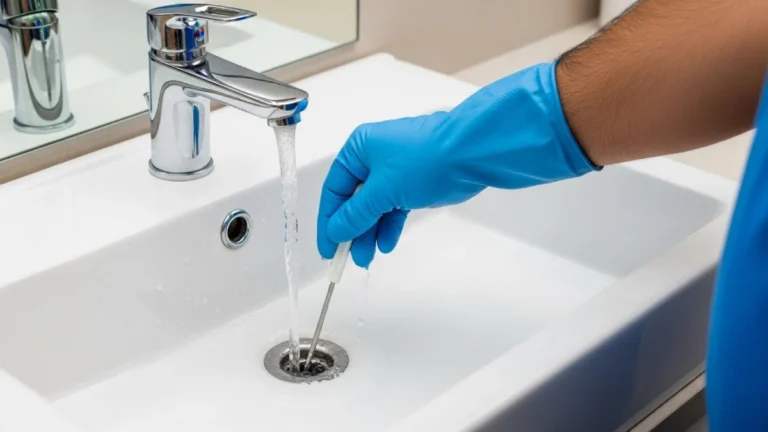

Key Highlights: Utilize home remedies like baking soda and vinegar as a natural drain cleaner. Carefully pour boiling water to dissolve simple buildups in your pipes. Address a clogged drain caused by grease with a mixture of dish soap and hot water. For tough clogs, a drain snake can be more effective than liquid solutions. Regular maintenance is key to preventing blockages and avoiding the need for professional drain cleaning. Know when to stop using DIY methods and call a professional for help.
Introduction
A slow or clogged drain is a common frustration that can disrupt your entire household. Before you reach for a harsh chemical drain cleaner that could damage your pipes, consider a gentler approach. Many effective solutions use simple items you already have at home. This guide provides practical tips for a clog-free home, focusing on natural drain cleaner options and regular maintenance. Following these steps can help you manage minor issues safely and know when it’s time to call for professional help.
Effective Drain Cleaning Tips for a Clog-Free Home
Keeping your drains clear is easier than you think. With simple, consistent habits, you can prevent soap scum and food particles from creating a clogged drain. Regular maintenance is the most effective way to protect your drain pipe and overall plumbing system from backups and costly repairs.
These methods are simple, affordable, and often use items you already have. From kitchen drains to bathroom sinks, the following tips offer a range of solutions for different types of clogs. Explore these effective methods to keep your home’s drains flowing smoothly.
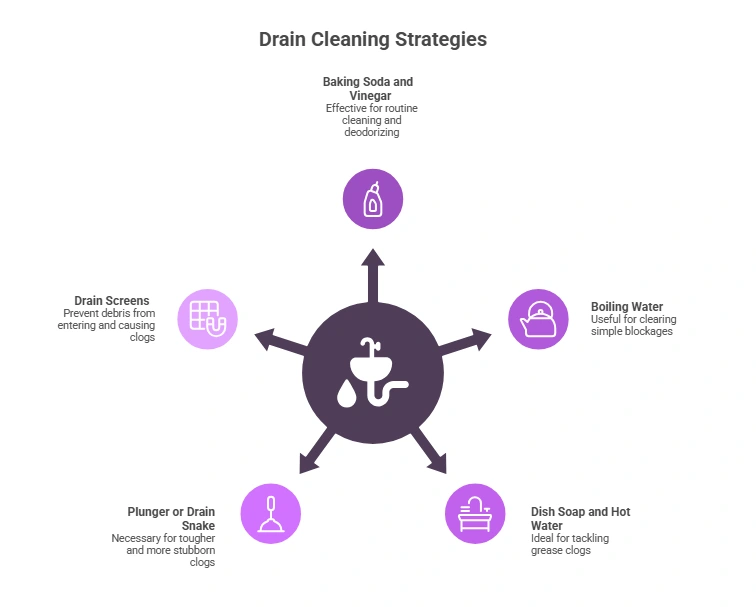
1. Use Baking Soda and Vinegar for Routine Cleaning
One of the most popular homemade drain cleaner recipes is the combination of baking soda and vinegar. This natural drain cleaner creates a fizzing reaction that helps break down minor blockages and deodorize your pipes without harsh chemicals. It’s a great choice for routine maintenance to keep things fresh and clear. The mixture works best on lighter clogs and for keeping drains clean.
To use this method, you just need to gather a few household items. The process is simple and can be done in just a few minutes, making it an easy part of your cleaning routine.
- Pour about one cup of baking soda down the drain.
- Follow it with one cup of white vinegar.
- Let the mixture work for at least 15 minutes, then flush with hot water.
While vinegar is excellent for light cleaning and disinfecting, it may not be strong enough for stubborn clogs. For tough blockages, this solution might not provide the power needed to fully clear the drain pipe. In those cases, you may need a stronger approach or professional assistance.
2. Pour Boiling Water to Clear Simple Blockages
Sometimes, the simplest solution is the most effective. For clogs caused by grease or soap scum, boiling water can work wonders. The heat helps melt and dissolve the buildup, allowing it to be flushed away easily. This method is a great first step when you notice a drain clog forming, as it requires no special ingredients.
Using boiling water is straightforward, but you should always be careful to avoid burns. Pouring the water in stages gives it time to work on the blockage.
- Bring a large pot of water to a boil.
- Carefully pour the boiling water down the drain in two or three separate pours.
- Pause for a few seconds between each pour to let the hot water dissolve the clog.
This technique is a perfect example of how regular maintenance can prevent backups. Using hot water after washing greasy dishes can help keep your pipes clear day-to-day. However, be mindful of your pipe material; if you have PVC pipes, using very hot water instead of boiling is a safer option to prevent damage.
3. Try Dish Soap and Hot Water for Grease Clogs
Grease clogs in kitchen drains are very common and can lead to significant plumbing issues if not addressed. Dish soap is designed to cut through grease on your plates, and it can do the same for your pipes. This method is particularly effective for blockages caused by fats, oils, and grease that have solidified inside the drain.
This simple yet powerful technique uses two common kitchen items to restore flow to your sink. It’s a safe and easy method to try before resorting to more aggressive options.
- Squeeze a generous amount of liquid dish soap into the clogged drain.
- Follow it with a pot of very hot (but not necessarily boiling) water.
- The soap will help break down the grease, and the hot water will flush it away.
For stubborn grease clogs, you may need to repeat the process a few times. This is one of the most effective methods for at-home drain cleaning, especially in the kitchen, where greasy buildup is the primary culprit for slow drains.
4. Employ a Plunger or Drain Snake for Tougher Clogs
When liquid home remedies don’t do the trick, it’s time to try a mechanical approach. A plunger or a drain snake can physically dislodge tough clogs that chemical-free solutions can’t break down. These tools are essential for any homeowner looking to tackle a more seriously clogged drain without immediately calling for help.
A plunger uses pressure to move the blockage, while a drain snake goes directly into the pipe to pull out or break up the debris. Knowing which tool to use can save you a lot of time and effort.
- A plunger is best for creating suction to loosen clogs close to the drain opening.
- A drain snake is a long, flexible tool that you can feed into the drain to reach deeper blockages.
- Turn the handle of the snake to grab onto hair and gunk, then pull it out.
These tools are a step up from simple liquid cleaners. If a drain snake can’t clear the blockage, the issue may be deep within your plumbing system, and you might need professional services like hydro jetting.
5. Install Drain Screens to Prevent Debris Build-Up
The best way to deal with clogs is to stop them before they start. Installing a drain cover or screen is a simple, inexpensive, and highly effective preventative measure. These screens sit over the drain opening and catch hair, food particles, and other debris before they can travel down the drain pipe and cause minor clogs.
This small addition to your sinks and showers can make a huge difference in your home’s regular maintenance routine. By catching debris at the source, you significantly reduce the chances of developing a stubborn blockage.
- Place a mesh drain screen over your kitchen sink to catch food particles.
- Use a drain cover in your shower to trap hair.
- Clean the screens regularly to ensure water can still flow freely.
This proactive step is a cornerstone of preventing clogs and backups. It’s much easier to clean a drain screen once a week than it is to deal with a completely blocked pipe. This simple habit protects your plumbing and saves you from future headaches.
Choosing the Right Drain Cleaning Tools for DIY Success
Successful DIY drain cleaning depends on matching the right tool to the job. For minor clogs, simple household mixtures or enzyme-based cleaners might be all you need. However, for more substantial blockages, a physical tool like a drain snake can provide the force necessary to clear your plumbing system.
Understanding the options available will help you make the best choice for your specific situation. The following sections will explore some essential tools and cleaners that can help you achieve DIY success without causing damage to your pipes.
Essential Household Tools for Unclogging Drains
Beyond liquid solutions, every home should have a few basic tools for clogs. A plunger and a drain snake are the two most essential items for physically removing blockages. Unlike commercial drain cleaners that can be harsh, these tools offer a safe way to deal with clogs. They are more effective than an enzyme-based drain cleaner on solid obstructions like hair or foreign objects.
Knowing when to use each tool is key. A plunger is great for creating pressure, while a snake is designed for pulling material out. Having both on hand prepares you for different types of drain emergencies. For severe blockages that these tools can’t handle, a professional service like hydro jetting might be required.
| Tool | Best For |
|---|---|
| Plunger | Creating suction and pressure to dislodge simple clogs in sinks and toilets. |
| Drain Snake | Reaching deeper into pipes to pull out hair, gunk, and other debris. |
When to Use Enzyme-Based Cleaners for Safe Cleaning
If you’re looking for a safe and eco-friendly cleaning option, consider an enzyme-based cleaner. These solutions use natural enzymes and bacteria to break down organic matter like hair and grease. Unlike cleaners with toxic chemicals, enzyme cleaners are biodegradable and gentle on your pipes and the environment, posing no threat to aquatic life.
An enzyme-based cleaner is an excellent choice for regular maintenance, as it works slowly but surely to keep drains clear of buildup. It’s a great alternative to homemade solutions when you want something that is specifically formulated to eat away at organic waste.
- They are ideal for preventing clogs rather than clearing major blockages.
- They work by digesting organic matter over time.
- They are safe for all types of plumbing, including septic systems.
While vinegar solutions offer a quick fizz for light cleaning, enzyme cleaners provide a deeper, more targeted approach for maintaining drains that frequently handle organic materials. They are not a quick fix for a total blockage but are invaluable for long-term drain health.
Conclusion
In conclusion, maintaining clear drains is essential for a healthy and functional home. By implementing effective cleaning methods such as using baking soda and vinegar or employing a plunger, you can tackle common clogs before they escalate into bigger problems. Regular maintenance, including the installation of drain screens, ensures that debris does not build up over time. Remember, being proactive about drain care not only saves you from costly repairs but also contributes to a clean and hygienic living environment. If you’re ready to take the next step in ensuring your home remains clog-free, consider reaching out for a consultation with our plumbing experts.
Frequently Asked Questions
How can I tell if I need professional drain cleaning?
If you have a slow drain that doesn’t improve with DIY methods, or if you experience persistent clogs in multiple fixtures, it’s time for professional drain cleaning. Foul odors coming from your drains or gurgling sounds also indicate a deeper issue that requires professional plumbing services to fix your clogged drain.
Does vinegar always work for cleaning drains, and when should I avoid it?
Vinegar and baking soda is a great natural drain cleaner for minor clogs and regular maintenance. However, it is not powerful enough for severe blockages. It is safe for most pipes and a better choice than harsh chemicals, but for a completely blocked drain pipe, you’ll likely need a stronger method.
How often should I clean my drains to prevent clogs?
For regular maintenance, it is a good idea to clean your drains about once a month. Using a simple drain cleaner or one of the home remedies mentioned can help prevent buildup in kitchen drains and bathrooms. This simple habit helps keep your drains flowing freely and avoids bigger problems.


