
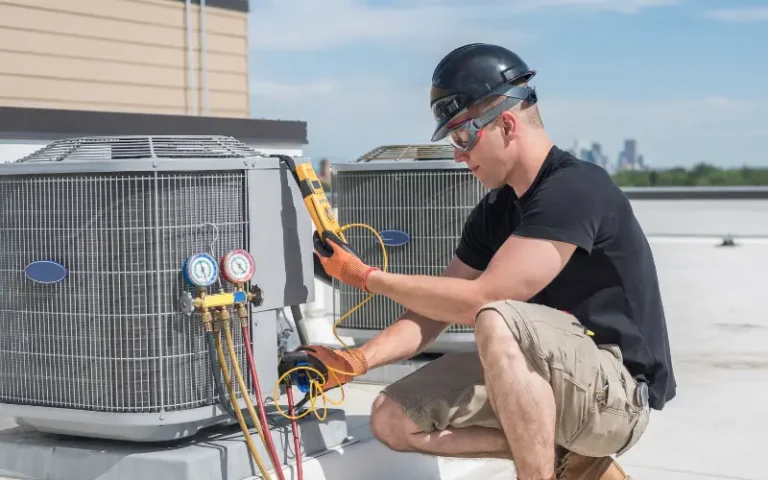

Keeping your commercial property comfortable year-round requires more than just a working air conditioner or heater. It takes the expertise of professional commercial HVAC contractors—skilled technicians who install, maintain, and repair heating, ventilation, and air conditioning systems in large-scale buildings like offices, schools, hospitals, and warehouses.
- What Is a Commercial HVAC Contractor?
- Why You Need a Professional for Commercial HVAC Work
- Types of Commercial HVAC Systems
- How to Choose the Right Commercial HVAC Contractor
- Benefits of Working with Professional Commercial HVAC Contractors
- Common Commercial HVAC Services Offered
- Signs You Need to Call a Commercial HVAC Contractor
- The Future of Commercial HVAC: Sustainability and Smart Technology
- Conclusion
- FAQs
Whether you’re building a new facility or upgrading an outdated HVAC system, understanding what commercial HVAC contractors do, what services they offer, and how to select the right one can make a significant difference in your business’s energy efficiency, indoor air quality, and operational costs.
What Is a Commercial HVAC Contractor?
Commercial HVAC contractors specialize in the design, installation, and maintenance of HVAC systems in commercial environments. Unlike residential HVAC technicians who typically work on single-family homes, commercial contractors handle complex, large-scale systems designed for bigger spaces and heavier usage.
Key Responsibilities of Commercial HVAC Contractors
- System Design and Installation: Creating HVAC systems tailored to specific commercial needs.
- Routine Maintenance: Scheduling and performing inspections to ensure optimal performance.
- Repairs and Troubleshooting: Diagnosing issues and implementing long-term fixes.
- Upgrades and Retrofits: Replacing outdated components with energy-efficient alternatives.
- Compliance: Ensuring HVAC systems meet local building codes and energy efficiency standards.
Why You Need a Professional for Commercial HVAC Work
Commercial HVAC systems are significantly more complex than residential systems. The design involves multiple zones, heavy-duty equipment, and Integration with other building systems. Hiring a qualified commercial HVAC contractor ensures:
- Proper system sizing and load calculations
- Reduced downtime and costly breakdowns
- Optimized energy usage
- Extended equipment lifespan
- Regulatory compliance
In short, expert HVAC contractors play a crucial role in keeping your commercial environment productive, comfortable, and safe.
Types of Commercial HVAC Systems
Before hiring a contractor, it helps to understand the types of systems they may work with. Common commercial HVAC systems include:
Rooftop Units (RTUs)
Rooftop HVAC systems are common in commercial buildings due to their space-saving design and easy accessibility for maintenance. They typically include both heating and cooling components.
Split Systems
These systems have separate indoor and outdoor units and are ideal for smaller commercial properties. They can be customized to meet specific zoning needs.
Variable Refrigerant Flow (VRF) Systems
VRF systems offer advanced zoning and energy efficiency. They use refrigerant to heat or cool different areas independently and are well-suited for buildings with diverse heating and cooling needs.
Chillers and Boilers
Chillers remove heat from liquid via vapor-compression or absorption refrigeration cycles, while boilers generate heat through water or steam. Both are commonly used in large facilities such as hospitals, schools, or industrial buildings.
How to Choose the Right Commercial HVAC Contractor
Selecting the right contractor is one of the most critical decisions for your building’s long-term comfort and efficiency. Here are key factors to consider:
1. Verify Licensing and Certifications
Always ensure that the HVAC contractor holds the necessary licenses and certifications. These demonstrate that the contractor meets local requirements and has the training to handle commercial-grade systems. Look for affiliations with recognized organizations such as:
- North American Technician Excellence (NATE)
- HVAC Excellence
- ASHRAE (American Society of Heating, Refrigerating and Air-Conditioning Engineers)
2. Check Experience with Commercial Projects
Experience matters, especially in commercial HVAC. A contractor should have a proven track record of successful installations, repairs, and maintenance in settings similar to yours. Ask for references and case studies of past work in your industry.
3. Evaluate Service Offerings
Make sure the contractor provides a full range of services, including:
- System design
- Emergency repairs
- Preventive maintenance
- Energy audits
- Equipment upgrades
A full-service contractor can better support you throughout the lifecycle of your HVAC system.
4. Understand Their Maintenance Programs
Routine maintenance is essential to avoid costly repairs and ensure consistent comfort. Inquire about their maintenance contracts, what’s included, and how often inspections are performed.
5. Prioritize Communication and Transparency
Look for contractors who communicate clearly, provide written documentation, and offer detailed proposals. Good contractors will walk you through your options and help you make informed decisions.
Benefits of Working with Professional Commercial HVAC Contractors
Hiring an expert commercial HVAC contractor offers multiple advantages, including:
Enhanced Energy Efficiency
Well-maintained HVAC systems use less energy, lowering utility bills and reducing your carbon footprint. Contractors can also recommend high-efficiency upgrades and implement smart technology like programmable thermostats.
Improved Indoor Air Quality
A professional can ensure proper ventilation, filter selection, and humidity control, contributing to healthier air and a more comfortable work environment.
Longer Equipment Life
Routine check-ups and preventive maintenance performed by experienced contractors can extend the life of your HVAC system, reducing the need for costly replacements.
Reduced Downtime
Emergency breakdowns can disrupt operations and create uncomfortable working conditions. Contractors with 24/7 services and rapid response times help minimize downtime.
Common Commercial HVAC Services Offered
Understanding the core services provided by commercial HVAC contractors helps you know what to expect and what your building may need.
HVAC Installation and Replacement
Contractors handle the installation of new systems, including ductwork, thermostats, and zoning controls. They also replace outdated equipment with more efficient options.
Preventive Maintenance
Scheduled inspections, filter changes, lubrication, and cleaning are part of preventive maintenance programs designed to keep systems running efficiently.
Emergency HVAC Repairs
Commercial HVAC contractors offer emergency repair services to resolve sudden breakdowns quickly, minimizing disruption to your business.
System Upgrades and Retrofitting
Upgrading old HVAC systems with modern, energy-efficient components improves performance and reduces operational costs.
Energy Efficiency Audits
Some contractors offer energy assessments that identify inefficiencies in your current system and suggest improvements to save energy and meet environmental standards.
Signs You Need to Call a Commercial HVAC Contractor
Don’t wait for a complete system failure before calling a professional. Watch for these signs:
- Uneven heating or cooling throughout the building
- Rising energy bills without increased usage
- Loud or unusual noises from HVAC equipment
- Poor air quality or ventilation issues
- Frequent repairs or short cycling of the system
Acting early can prevent minor issues from turning into expensive problems.
The Future of Commercial HVAC: Sustainability and Smart Technology
The commercial HVAC industry is evolving rapidly, with a strong focus on energy efficiency, environmental impact, and automation. Smart thermostats, IoT-enabled equipment, and data-driven maintenance scheduling are becoming the norm.
Sustainability is also a growing priority. Green building standards such as LEED certification often require HVAC systems that meet specific efficiency and environmental criteria. Many commercial HVAC contractors are now offering eco-friendly options, from solar-integrated systems to low-emission refrigerants.
Conclusion
Whether you’re managing a retail store, office complex, or industrial facility, the performance of your HVAC system can directly impact comfort, productivity, and energy consumption. Choosing the right commercial HVAC contractor ensures your building remains efficient, compliant, and comfortable year-round.
By considering experience, credentials, service offerings, and maintenance programs, you can build a long-term partnership with a contractor who understands your unique business needs. With the right professional by your side, your HVAC system can serve as an asset—rather than a liability—for many years to come.
FAQs
What do commercial HVAC contractors do?
Commercial HVAC contractors specialize in the installation, maintenance, and repair of heating, ventilation, and air conditioning systems in commercial buildings. They ensure efficient climate control, proper ventilation, and compliance with safety and energy regulations for offices, warehouses, and other large facilities.
How often should I schedule maintenance with a commercial HVAC contractor?
Routine maintenance should be scheduled at least twice a year—typically in the spring and fall. Regular service from a qualified commercial HVAC contractor helps prevent breakdowns, improves energy efficiency, and extends the lifespan of your system.
How do I choose the right commercial HVAC contractor?
To find a reliable commercial HVAC contractor, look for proper licensing, industry certifications, commercial project experience, and comprehensive service offerings. Also, check for customer reviews and ensure they offer clear communication and transparent maintenance plans.
What are the signs that I need to call a commercial HVAC contractor?
Warning signs include inconsistent temperatures, rising energy bills, unusual noises, poor air quality, or frequent system breakdowns. If you notice any of these issues, it’s best to contact a commercial HVAC contractor for an inspection.
Are energy-efficient HVAC upgrades worth it for commercial properties?
Yes. Energy-efficient upgrades installed by experienced commercial HVAC contractors can significantly reduce operational costs, improve indoor air quality, and contribute to sustainability goals. Many modern systems also offer smart controls for better temperature management.


