
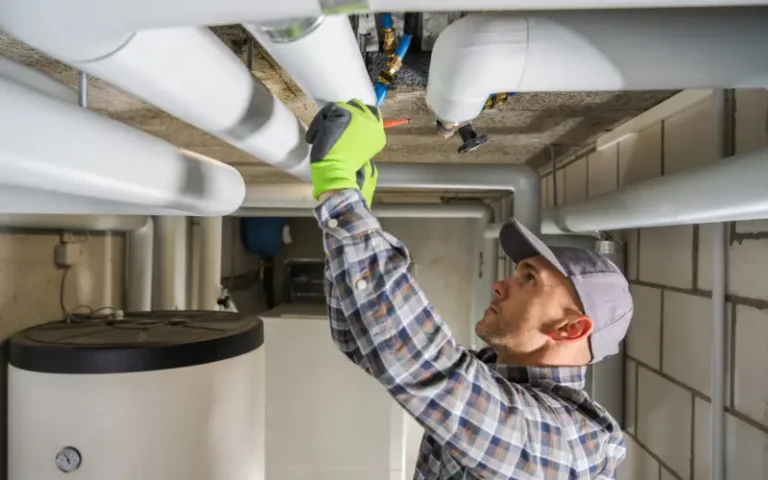

When it comes to maintaining a comfortable and energy-efficient home, residential HVAC contractors play a critical role. These professionals are responsible for the installation, maintenance, and repair of heating, ventilation, and air conditioning systems in residential properties. Whether you’re upgrading your current system, planning a new installation, or seeking routine maintenance, working with a qualified HVAC contractor can make all the difference in ensuring year-round indoor comfort.
- Why Residential HVAC Contractors Matter
- Services Offered by Residential HVAC Contractors
- How to Choose the Right Residential HVAC Contractor
- Signs You Need a Residential HVAC Contractor
- Benefits of Working with Local Residential HVAC Contractors
- The Importance of HVAC System Sizing
- Smart HVAC Solutions for Modern Homes
- Conclusion
- FAQs
Why Residential HVAC Contractors Matter
Expertise in Heating and Cooling Systems
Residential HVAC contractors specialize in various types of HVAC systems, including furnaces, heat pumps, air conditioners, and ventilation systems. They understand the specific needs of homes of all sizes and layouts and are trained to recommend the most efficient and effective solutions.
Energy Efficiency and Cost Savings
One of the primary benefits of hiring a residential HVAC contractor is improved energy efficiency. Contractors can assess your home’s unique requirements and install systems designed to minimize energy consumption, leading to reduced utility bills and a smaller environmental footprint.
Proper Installation Ensures Longevity
An improperly installed HVAC system can result in frequent breakdowns, poor indoor air quality, and higher maintenance costs. Residential HVAC contractors follow industry best practices to ensure your system is correctly installed and operates at peak performance.
Services Offered by Residential HVAC Contractors
HVAC Installation
Whether you’re building a new home or replacing an outdated system, professional contractors can install modern HVAC units tailored to your needs. This includes assessing the home’s size, insulation, ductwork, and other factors that affect performance.
HVAC Maintenance
Routine maintenance is essential to extend the life of your HVAC system. Contractors typically offer maintenance services such as filter changes, system inspections, duct cleaning, and seasonal tune-ups. Regular upkeep improves efficiency and helps catch small issues before they turn into major problems.
HVAC Repairs
When a system fails or operates inefficiently, HVAC contractors diagnose and repair the issue. Common problems include refrigerant leaks, malfunctioning thermostats, dirty coils, and electrical failures. Prompt repairs restore comfort quickly and prevent further damage.
Indoor Air Quality Solutions
Beyond heating and cooling, HVAC contractors also help improve indoor air quality. Services may include the installation of air purifiers, humidifiers, dehumidifiers, and advanced filtration systems, all of which contribute to a healthier living environment.
How to Choose the Right Residential HVAC Contractor
Check Licenses and Certifications
Always work with licensed and certified HVAC professionals. Certifications from organizations such as NATE (North American Technician Excellence) or EPA (Environmental Protection Agency) demonstrate that the contractor meets industry standards and understands up-to-date technologies and safety practices.
Evaluate Experience and Reputation
Look for contractors with a proven track record in residential HVAC services. Read online reviews, request references, and ask about the contractor’s experience with systems similar to yours.
Look for Energy-Efficient Solutions
Choose a contractor who prioritizes energy-efficient systems and solutions. Ask about ENERGY STAR-rated products, smart thermostats, and zoning systems to increase control over your home’s heating and cooling.
Ask About Maintenance Plans
Preventative maintenance plans can help you keep your system running efficiently year-round. Many contractors offer annual service agreements that include inspections, priority service, and scheduled tune-ups.
Signs You Need a Residential HVAC Contractor
Uneven Heating or Cooling
If some rooms are too hot while others remain cold, your HVAC system may not be distributing air properly. A contractor can inspect ductwork, adjust airflow, or recommend a more suitable system.
Strange Noises or Odors
Unusual noises such as banging, rattling, or hissing, or strange odors coming from your vents, could signal mechanical issues or mold growth. Prompt attention from an HVAC contractor can address these problems.
Frequent System Cycling
If your HVAC unit frequently turns on and off, it may be short-cycling due to thermostat issues, improper sizing, or clogged filters. This inefficiency leads to higher energy use and wear on the system.
High Energy Bills
An unexpected spike in your energy bills might mean your HVAC system is working harder than necessary. A contractor can identify inefficiencies and recommend corrective measures.
Benefits of Working with Local Residential HVAC Contractors
Fast Response Times
Local contractors can often provide quicker service, especially during emergencies. Their proximity allows for same-day or next-day appointments when time is of the essence.
Knowledge of Regional Climate
A local HVAC contractor understands the specific weather challenges in your area. Whether it’s extreme summer heat or harsh winter cold, they can recommend systems that perform optimally in your climate.
Personalized Service
Smaller, community-based HVAC companies often offer more personalized customer service. They take the time to understand your home’s layout and needs and develop customized solutions.
The Importance of HVAC System Sizing
Why Size Matters
A properly sized HVAC system is critical for maintaining indoor comfort. A unit that’s too small will struggle to meet temperature demands, while an oversized system may cycle on and off frequently, reducing efficiency and lifespan.
Load Calculations
Residential HVAC contractors perform detailed load calculations to determine the correct system size. These calculations consider factors such as square footage, insulation, window placement, and local climate.
Impact on Comfort and Efficiency
Right-sized HVAC systems provide consistent temperature control, lower humidity levels, and improved energy efficiency. Contractors use these calculations to help homeowners make informed decisions.
Smart HVAC Solutions for Modern Homes
Smart Thermostats
Many residential HVAC contractors now install smart thermostats, which allow homeowners to control their heating and cooling from smartphones or voice-activated assistants. These devices can learn your habits and adjust settings automatically to save energy.
Zoning Systems
Zoning systems divide your home into separate climate zones, each controlled independently. This can be especially useful in multi-level homes or spaces with varied heating/cooling needs.
Energy Recovery Ventilators (ERVs)
For improved air quality and energy savings, some contractors recommend installing ERVs, which help bring in fresh air while retaining indoor heating or cooling.
Conclusion
Whether you’re installing a new system, upgrading an old one, or simply keeping your HVAC system in top shape, residential HVAC contractors are essential partners in creating a comfortable, energy-efficient home. Their expertise ensures that you get the right system, properly installed and maintained for optimal performance.
Investing in a reputable HVAC contractor is a long-term commitment to your home’s comfort, air quality, and energy savings. Take the time to choose the right professional, and you’ll enjoy peace of mind and consistent indoor climate control for years to come.
FAQs
What does a residential HVAC contractor do?
A residential HVAC contractor specializes in installing, repairing, and maintaining heating, ventilation, and air conditioning systems in homes. They ensure your HVAC system runs efficiently, safely, and in line with local building codes.
How often should I service my home HVAC system?
It’s recommended to schedule HVAC maintenance at least once a year, ideally before the start of summer or winter. Regular servicing helps prevent breakdowns, improves efficiency, and extends the lifespan of your system.
How can I tell if my HVAC system needs repair or replacement?
Signs include uneven temperatures, frequent cycling, unusual noises, high energy bills, and poor airflow. An HVAC contractor can inspect the system and advise whether a repair or full replacement is the best solution.
Are licensed HVAC contractors really necessary for home systems?
Yes, hiring a licensed and certified HVAC contractor ensures your system is installed and maintained correctly. Certified professionals follow safety standards and are trained in the latest technologies and efficiency guidelines.
Can HVAC contractors help improve indoor air quality?
Absolutely. Residential HVAC contractors can install air purifiers, dehumidifiers, and advanced filtration systems to reduce allergens, dust, and humidity—resulting in a healthier indoor environment for your family.


