
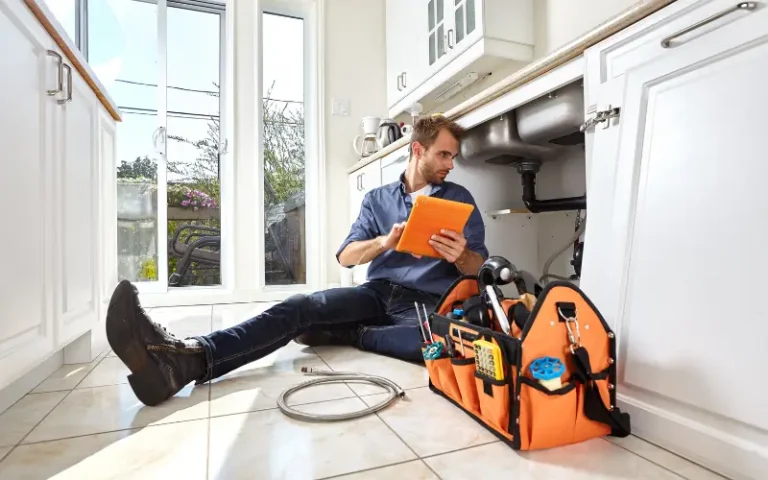

You may not think much of a leaky faucet, but this seemingly minor issue can lead to significant water waste and increased utility bills. A single drip per second can waste over 3,000 gallons of water a year. Imagine the impact if every faucet in your home had a similar leak! Beyond the environmental implications, the constant dripping can be an annoyance, disrupting your peace and quiet. You might find yourself wondering how such a small problem can escalate into a larger concern, but the truth is that leaks can indicate underlying plumbing issues that require immediate attention. Addressing leaky faucets and fixtures is not just about fixing the immediate problem; it’s also about preventing further damage.
Water can seep into walls and cabinets, leading to mold growth and structural damage over time. If you notice a leak, it’s wise to investigate the cause. Sometimes, it’s as simple as replacing a worn-out washer or O-ring.
Other times, it may require more extensive repairs or even replacement of the entire fixture. By taking action promptly, you can save yourself from more costly repairs down the line and ensure that your home remains a comfortable and safe environment.
Key Takeaways
- Leaky faucets and fixtures can lead to water wastage and should be fixed promptly to save water and money.
- Clogged drains and toilets can cause inconvenience and potential damage, so it’s important to address these issues as soon as they arise.
- Low water pressure can indicate a problem with the plumbing system and should be investigated to ensure proper functioning.
- Burst pipes can cause extensive water damage and should be addressed immediately to prevent further issues.
- Water heater issues can disrupt daily routines and should be repaired or replaced to ensure a consistent supply of hot water.
Clogged Drains and Toilets
Clogged drains and toilets are among the most common plumbing issues you may encounter in your home. When water refuses to flow freely down the sink or toilet, it can create a frustrating situation that disrupts your daily routine. You might find yourself reaching for a plunger or chemical drain cleaner, hoping to resolve the issue quickly.
However, it’s essential to understand that frequent clogs can be a sign of deeper problems within your plumbing system. You may want to consider the materials that often lead to clogs. Hair, soap scum, food particles, and grease are common culprits that can accumulate over time.
In toilets, excessive toilet paper or foreign objects can lead to blockages. Regular maintenance, such as using drain screens and being mindful of what goes down your drains, can help prevent these issues from arising in the first place. If you find yourself dealing with persistent clogs, it may be time to call in a professional plumber who can assess the situation and provide a long-term solution.
Low Water Pressure
Experiencing low water pressure can be incredibly frustrating, especially when you’re trying to take a shower or wash dishes. You may notice that the water trickles out of your faucet instead of flowing freely, making everyday tasks take longer than necessary. Low water pressure can stem from various issues, including mineral buildup in pipes, leaks, or problems with the municipal water supply.
Understanding the root cause is crucial for finding an effective solution. If you suspect that mineral buildup is affecting your water pressure, you might consider investing in a water softener or descaling system. These devices can help remove hard minerals from your water supply, improving flow rates and extending the life of your plumbing fixtures.
Additionally, checking for leaks in your plumbing system is essential; even a small leak can significantly impact water pressure throughout your home. If you’re unable to identify the cause of low water pressure on your own, consulting with a plumbing professional can provide clarity and help restore your water flow to its optimal state.
Burst Pipes
Burst pipes are one of the most alarming plumbing emergencies you could face in your home. When a pipe bursts, it can lead to extensive water damage in a matter of minutes. You might find yourself scrambling to turn off the main water supply while assessing the damage caused by the sudden influx of water.
The aftermath of a burst pipe can be overwhelming, as it often requires immediate attention to prevent further destruction and mold growth. The causes of burst pipes are varied; they can result from freezing temperatures, corrosion, or excessive pressure within the plumbing system. If you live in an area prone to freezing temperatures, insulating your pipes is crucial to prevent them from freezing and bursting during cold snaps.
Regular maintenance checks can also help identify signs of wear and tear before they escalate into more significant issues. If you do experience a burst pipe, it’s essential to contact a plumber immediately to assess the damage and implement necessary repairs.
Water Heater Issues
Water heater issues can disrupt your daily routine in ways you might not anticipate. Imagine stepping into a shower only to be met with icy cold water instead of the warm comfort you expect. Whether it’s inconsistent temperatures or strange noises coming from the unit, problems with your water heater can be both inconvenient and concerning.
Understanding how your water heater works and recognizing potential issues can help you address them before they become major headaches. Common problems with water heaters include sediment buildup, faulty thermostats, or heating elements that have burned out. Regular maintenance, such as flushing the tank to remove sediment and checking the anode rod for corrosion, can extend the life of your water heater and improve its efficiency.
If you find yourself frequently adjusting the temperature or dealing with leaks around the unit, it may be time to consult with a professional plumber who can diagnose the issue and recommend appropriate repairs or replacements.
Sewer Line Problems
Sewer line problems are among the most serious plumbing issues you could encounter in your home. When your sewer line becomes clogged or damaged, it can lead to sewage backups that pose health risks and create unsanitary conditions in your living space. You might notice foul odors emanating from drains or experience slow drainage throughout your home—both signs that something is amiss with your sewer line.
The causes of sewer line problems are varied; tree roots invading pipes, grease buildup, or even shifting soil can lead to blockages or breaks in the line. Regular inspections using video technology can help identify potential issues before they escalate into costly repairs. If you suspect a problem with your sewer line, it’s crucial to act quickly by contacting a plumbing professional who specializes in sewer line repairs.
They can assess the situation and recommend solutions such as hydro jetting or trenchless repair methods that minimize disruption to your property.
Garbage Disposal Troubles
Garbage disposals are convenient appliances that make kitchen cleanup easier, but they can also present their own set of challenges. You may find yourself dealing with clogs or jams that render your disposal useless at times when you need it most. Understanding how to properly use and maintain your garbage disposal is key to avoiding these issues and ensuring it operates smoothly for years to come.
Common problems with garbage disposals include jams caused by fibrous foods like celery or large pieces of food that exceed the disposal’s capacity. It’s essential to use cold water while running the disposal and avoid putting non-food items down the drain. If you encounter a jammed disposal, you might be able to reset it by pressing the reset button located on the bottom of the unit.
However, if problems persist or if you hear unusual noises coming from the disposal, it’s best to consult with a plumber who can diagnose and resolve any underlying issues.
Toilet Running Constantly
A toilet that runs constantly is not only annoying but also wasteful. You may hear the sound of water running long after you’ve flushed, which can lead to increased water bills over time. This issue often stems from faulty components within the toilet tank, such as a worn flapper valve or an improperly adjusted float arm.
Recognizing these signs early on can save you both money and frustration. To address a running toilet, start by inspecting the tank components for wear and tear. Replacing a flapper valve is often a straightforward DIY task that can restore proper function to your toilet without requiring professional assistance.
Additionally, adjusting the float arm may help regulate water levels within the tank more effectively. If these simple fixes don’t resolve the issue, it may be time to call in a plumber who can provide further insight into more complex problems within your toilet system.
Sump Pump Malfunctions
Sump pumps play a crucial role in preventing basement flooding by removing excess water from below ground level. However, when these pumps malfunction, they can leave your home vulnerable to water damage during heavy rains or snowmelt periods. You might not think about your sump pump until it’s too late; understanding how these systems work and recognizing potential issues is essential for protecting your home.
Common sump pump problems include power outages during storms, clogged discharge lines, or mechanical failures within the pump itself. Regular maintenance checks are vital; testing your sump pump periodically ensures that it operates correctly when needed most. If you notice unusual noises or if your pump runs continuously without removing any water, it’s wise to consult with a plumbing professional who specializes in sump pump systems for an assessment and potential repairs.
Frozen Pipes
Frozen pipes are a common concern during winter months when temperatures drop significantly. You may find yourself worrying about whether your pipes are adequately insulated against freezing conditions. When water inside pipes freezes, it expands and can cause pipes to burst—a situation that could lead to extensive damage if not addressed promptly.
To prevent frozen pipes, consider insulating exposed pipes in unheated areas of your home, such as basements or attics. Keeping cabinet doors open under sinks allows warm air to circulate around plumbing fixtures during cold spells. If you suspect that a pipe has frozen, turning on faucets connected to those pipes may help relieve pressure as ice begins to melt.
However, if you’re unable to locate the frozen section or if you notice signs of bursting, it’s crucial to contact a plumber immediately for assistance.
Backflow Prevention
Backflow prevention is an essential aspect of maintaining safe drinking water in your home. Backflow occurs when contaminated water flows back into clean water supply lines due to changes in pressure within the plumbing system. This situation poses serious health risks; therefore, understanding how backflow prevention devices work is vital for safeguarding your family’s health.
You may want to consider installing backflow prevention devices if you have irrigation systems or other connections that could potentially allow contaminants into your drinking water supply. Regular testing and maintenance of these devices are crucial for ensuring their effectiveness over time. If you suspect backflow issues within your plumbing system or if you’re unsure whether you have adequate protection in place, consulting with a plumbing professional can provide peace of mind and help protect against potential hazards associated with backflow contamination.
In conclusion, being aware of common plumbing issues like leaky faucets, clogged drains, low water pressure, burst pipes, and more is essential for maintaining a healthy home environment. By understanding these problems and taking proactive measures for prevention and maintenance, you can save yourself time and money while ensuring that your plumbing system operates efficiently for years to come.
FAQs
What are some common plumbing issues that professional contractors can solve?
Some common plumbing issues that professional contractors can solve include leaky pipes, clogged drains, low water pressure, running toilets, and water heater problems.
Why should I hire a professional contractor to solve my plumbing issues?
Professional contractors have the expertise, experience, and tools necessary to accurately diagnose and effectively solve plumbing issues. They can also ensure that the repairs are done correctly to prevent future problems.
How can professional contractors fix leaky pipes?
Professional contractors can fix leaky pipes by identifying the source of the leak, repairing or replacing the damaged section of the pipe, and ensuring that the pipe is properly sealed to prevent future leaks.
What methods do professional contractors use to unclog drains?
Professional contractors can use a variety of methods to unclog drains, including drain snakes, hydro-jetting, and chemical drain cleaners. They will choose the most appropriate method based on the severity and location of the clog.
What causes low water pressure and how can professional contractors fix it?
Low water pressure can be caused by various factors such as mineral buildup, pipe corrosion, or a faulty pressure regulator. Professional contractors can fix low water pressure issues by identifying the cause and implementing the necessary repairs or adjustments.


