
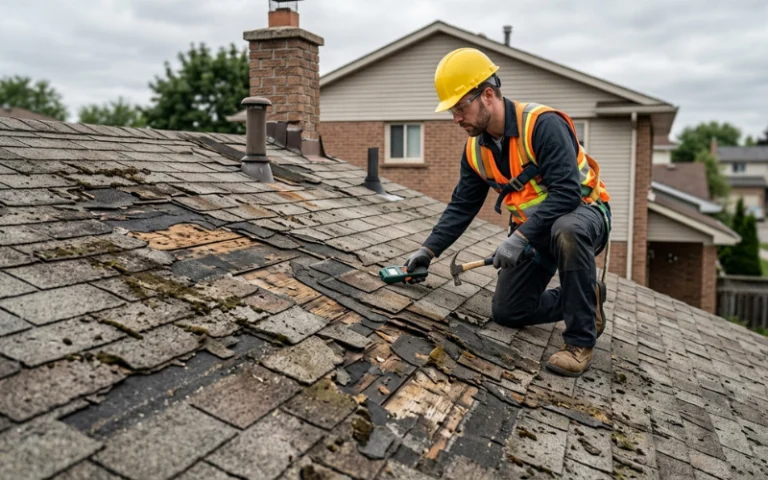

You stand at the threshold of a critical decision, one that directly impacts the safety and longevity of your home: the state of your roof. More than just a covering, your roof is your primary defense against the elements, a silent guardian protecting your family and possessions. But like all guardians, it has its limits, and neglecting its cries for help can lead to costly and devastating consequences. It’s not always about a dramatic collapse; often, the signs are subtle, whispering hints that a major investment is on the horizon. This article will equip you with the knowledge to recognize these warnings, allowing you to proactively address issues before they escalate.
Your shingles are the frontline soldiers of your roof, constantly battling sun, wind, rain, and hail. Over time, this relentless assault takes its toll, and visible damage is often the most obvious indicator that your roof is nearing the end of its life. Don’t underestimate these seemingly minor imperfections; they can be gateways for water intrusion.
Curling or Cupping Shingles Indicate Aging
When you look up at your roof, do you notice shingles that aren’t lying flat? Are their edges beginning to turn upwards (curling) or are they forming a concave shape (cupping)? This isn’t just an aesthetic issue; it’s a clear sign of degradation.
- Understanding the Cause: Curling and cupping occur as shingles age and the asphalt within them dries out and loses its elasticity. The sun’s UV rays bake the shingles, causing the volatile oils to evaporate, making them brittle and prone to warping.
- The Danger: These warped shingles create entry points for wind-driven rain, especially during storms. Once water gets beneath a shingle, it can start to rot the underlying decking and even compromise the roof’s structural integrity. Furthermore, curled edges are more easily caught by high winds, increasing the risk of shingle detachment.
Missing Shingles Are a Clear Red Flag
Perhaps the most obvious sign of damage, missing shingles leave your roof deck entirely exposed to the elements.
- Immediate Vulnerability: A single missing shingle is like a broken link in a chain; it compromises the entire system. The area where the shingle once lay is now directly exposed to rain, snow, and UV radiation.
- Domino Effect: High winds can exploit a weakness created by one missing shingle, prying up adjacent ones and leading to a cascade of further damage. If you notice missing shingles, especially after a storm, it’s a critical moment to assess the larger picture. It might indicate that the adhesive holding the shingles is no longer effective or that the nails are failing.
Cracked or Broken Shingles Compromise Integrity
Cracks can range from hairline fractures to complete breaks, and they all signify a weakening of the shingle’s protective barrier.
- Thermal Cycling: Extreme temperature fluctuations cause materials to expand and contract. Over many cycles, this constant movement can lead to stress fractures in brittle, aged shingles.
- Impact Damage: Hailstones, falling branches, or even improperly walked-on roofs can cause cracks. Even small cracks create pathways for moisture to seep through, potentially leading to mildew, rot, and leaks. You might not see large chunks gone, but even a thin crack can channel water directly to your sheathing.
Granule Loss Suggests Worn-Out Shingles
Those tiny, pebble-like granules on the surface of your shingles do more than just add color; they’re your roof’s primary defense against UV radiation and physical wear.
- Protective Function: The granules reflect sunlight, helping to keep your home cooler and protecting the asphalt from drying out and becoming brittle. They also provide a textured surface that helps shed water efficiently.
- Signs of Loss: If you’re noticing significant accumulation of granules in your gutters, or if areas of your shingles appear bald, black, or shiny, it means the protective layer is wearing away. Once exposed, the asphalt itself rapidly deteriorates, leading to a drastically shortened lifespan for your roof. This is a tell-tale sign that your shingles are reaching their functional limit.
2. You’re Experiencing Leaks Or Water Stains Indoors
This is perhaps the most undeniable evidence that your roof is failing. While many other signs point to potential future problems, indoor leaks or stains mean the problem has already progressed dramatically and water is actively breaching your home’s envelope.
Water Stains on Ceilings or Walls Signal Active Leaks
While often the most obvious sign, spotting a water stain can be tricky. You might see it on a ceiling, running down a wall, or even bubbling paint.
- Tracking the Source: Water often travels along rafters and joists before dripping, so the stain might not be directly below the source of the leak on your roof. This makes pinpointing the exact breach challenging for the untrained eye. However, the presence of a stain universally indicates a breach.
- Consequences of Delay: Even a small, intermittent leak can lead to significant problems over time, including mold growth, rot in structural components (like trusses and rafters), damage to insulation, and unpleasant musty odors. A seemingly minor stain can be masking a much larger structural issue.
Musty Odors and Mold Growth in Your Attic Or Living Space
Where there’s water, there’s often mold, and mold is not just unsightly; it’s a health hazard and a sign of unchecked moisture.
- Ideal Conditions: Your attic, being dark and often poorly ventilated, provides the perfect environment for mold and mildew to thrive when moisture is introduced. Leaks, even tiny ones, can create enough dampness for spores to germinate.
- Health and Structural Risks: Mold can trigger allergies, asthma, and other respiratory issues. Beyond health, it actively degrades organic materials like wood, insulation, and drywall, further compromising your home’s structure and reducing the effectiveness of your insulation. A persistent musty smell, even without visible mold, is a strong indicator of water infiltration.
Dripping Water, Especially During Or After Rain
This is the emergency-level warning. If you see water actively dripping, particularly in multiple locations, your roof is in critical condition.
- Severity: Active dripping goes beyond a stain; it means a significant volume of water is penetrating your roof system. This can lead to rapid saturation of insulation and drywall.
- Immediate Action Required: While a full roof replacement may be a future consideration, active leaks demand immediate temporary repairs to prevent further damage. Tarps, buckets, and professional assessment are paramount to mitigate ongoing harm. Don’t wait; every drop causes more damage.
3. Your Roof Is Sagging Or Has Visible Depressions
A healthy roof looks relatively flat and uniform. Any noticeable dips, sagging, or unevenness is a serious structural concern and should prompt immediate investigation.
Sagging Roof Decking or Ridges Indicates Structural Weakness
Look at your roof from the ground, from different angles. Can you spot any areas that aren’t straight? Does the ridge line, the peak of your roof, appear to dip in the middle?
- Water Saturation: One common cause of sagging is prolonged water damage. When water repeatedly soaks the roof decking (the plywood or OSB beneath the shingles), it weakens and begins to deform. This often happens in areas where water pools or where there’s a persistent, hidden leak.
- Insufficient Support: In some cases, sagging can be due to structural issues with the roof rafters or trusses. This could be due to original construction flaws, improper modifications, or age-related deterioration. A sagging roof deck means the primary structural components are compromised, a situation that needs urgent professional assessment.
Unevenness Between Rafters or Roof Sections
Beyond a general sag, pay attention to specific areas that seem out of alignment with the rest of your roof.
- Decking Delamination: If the plywood sheathing beneath your shingles is compromised by moisture, it can delaminate, causing bubbles or soft spots. This creates an uneven surface that is prone to further deterioration.
- Damaged Underlayment: While not directly visible, if the underlayment beneath your shingles has been severely compromised by water, it can cause the surface to become uneven as it loses its foundational support. Unevenness often suggests localized damage that could expand without intervention.
Soft Spots When Walking on the Roof (If You Can Safely Do So)
While not recommended for everyone, if a professional or experienced individual can safely walk on your roof, soft spots are an immediate red flag.
- Rotting Decking: A soft spot indicates that the underlying roof decking (plywood or OSB) has likely become severely rotted due to prolonged moisture exposure. When the wood rots, it loses its structural integrity.
- Immediate Danger: Walking on a rot-compromised roof can be extremely dangerous, as it could give way. More importantly, soft spots are clear indicators of extensive water damage that requires immediate and thorough repair, likely involving replacement of the affected decking sections, and often, a new roof or significant re-decking.
4. You’ve Noticed Increased Energy Bills
While not a direct visual sign of roof damage, a sudden or gradual spike in your heating and cooling expenses can be an indirect but powerful indicator that your roof system is no longer performing its insulating function effectively.
Poor Ventilation Leading to Heat Buildup
Your attic needs proper ventilation to function correctly. A well-ventilated attic allows hot air to escape in the summer and prevents moisture buildup in the winter.
- Trapped Heat: If your roof’s ventilation is inadequate or blocked (perhaps by insulation or debris), heat gets trapped in the attic during hot weather. This heat then radiates downwards into your living space, forcing your air conditioner to work harder and longer to maintain comfort. You’re essentially paying to cool your attic before your home.
- Moisture Issues: Conversely, in colder months, poor ventilation can lead to moisture condensation in the attic, potentially leading to mold, mildew, and wet insulation, which further degrades its R-value (insulating capacity).
Damaged Or Compressed Attic Insulation
Your attic insulation is your primary barrier against heat transfer through your roof. If it’s compromised, your energy bills will reflect it.
- Water Damage: Leaks, even small ones, can saturate insulation. Wet insulation loses almost all of its insulating R-value and can take a long time to dry out, if it ever fully does. Once wet, some types of insulation (like fiberglass batts) may never fully regain their effectiveness.
- Pest Damage: Rodents and other pests often nest in attic insulation, compacting it, tearing it, and creating pathways that bypass its insulating properties. Over time, insulation can also settle and compress simply due to age and gravity, reducing its thickness and effectiveness. If your insulation isn’t performing, your home will lose heat in winter and gain heat in summer, raising your utility costs.
Inefficient Roof Materials Allowing Heat Transfer
Older roofing materials, especially those that are worn out, are not as energy-efficient as newer options.
- Less Reflective Surfaces: As granules wear off shingles, the darker asphalt is exposed, absorbing more solar radiation rather than reflecting it. This increases the temperature of your roof deck and, consequently, your attic and living space.
- Older Technologies: Roofing technology has evolved significantly. Newer “cool roof” materials, lighter colored shingles, and higher-quality underlayments are designed to better reflect sunlight and provide superior thermal barriers. If your roof is old, it simply may not be as efficient as current options, and replacing it with a modern, energy-efficient system can lead to substantial long-term savings on your energy bills. This isn’t always a sign of damage, but a sign of outdated material effectiveness.
5. Your Roof Is просто Old and Has Exceeded Its Lifespan
Instead of localized damage, you might observe a widespread dullness, a uniform fading of color, or a pervasive brittleness.
- Fading Color: Prolonged exposure to UV radiation causes the color of shingles to fade. This isn’t just cosmetic; it indicates the granules are wearing down and the asphalt is becoming more exposed and brittle.
- Surface Erosion: Over decades, rain, wind, and even microscopic debris can slowly erode the surface of your roofing materials. You might see a general thinness or a loss of definition in the shingle layers.
- Brittleness: If you were to gently press on an older shingle (again, with extreme caution and only if safe), it might feel hard, inflexible, and even crumble slightly. This lack of pliability makes it highly susceptible to cracking, breaking, and wind uplift during storms.
Your Neighbors Are Replacing Their Roofs (Especially Those Installed at the Same Time)
This is a surprisingly good indicator. If your house was built in the same development or at roughly the same time as your neighbors’, chances are your roofs were installed around the same time with similar materials from the same batches.
- Shared Lifespan: Roofing materials from the same production run and installed under similar conditions will generally age at a comparable rate. If multiple neighbors are replacing their roofs, it’s a strong signal that most roofs in your area (including yours) have reached the end of their service life.
- Environmental Factors: Homes in the same geographic area experience the same weather patterns, temperature fluctuations, and storm activity. If these shared environmental stressors are causing widespread roof deterioration in your neighborhood, it’s highly probable your roof is facing the same issues. Consider it a community-wide heads-up.
Recognizing these five signs is crucial for proactive home maintenance. Your roof is a significant investment, and understanding its condition can prevent minor issues from escalating into disaster. Don’t wait for the ceiling to collapse or major leaks to appear. Regular inspections – both professional and your own visual checks – coupled with an understanding of these warning signs, will empower you to make an informed decision when it’s time for a new roof, safeguarding your home and your peace of mind.
FAQs
What are some signs that indicate the need for roof replacement?
Some signs that indicate the need for roof replacement include missing or damaged shingles, water stains on the ceiling, sagging roof deck, and excessive granules in the gutters.
How often should a roof be replaced?
The lifespan of a roof can vary depending on the material used, but in general, asphalt shingle roofs typically last 20-25 years, while metal roofs can last 50 years or more. It’s important to have a professional inspect your roof regularly to determine its condition.
What are the consequences of delaying roof replacement?
Delaying roof replacement can lead to further damage to the structure of your home, increased energy costs due to poor insulation, and potential health hazards from mold and mildew growth.
How much does roof replacement typically cost?
The cost of roof replacement can vary depending on factors such as the size of the roof, the materials used, and the extent of the damage. On average, homeowners can expect to pay between $5,000 and $10,000 for a roof replacement.
Is it possible to repair a roof instead of replacing it?
In some cases, minor damage to a roof can be repaired without the need for a full replacement. However, if the damage is extensive or the roof is nearing the end of its lifespan, it may be more cost-effective in the long run to opt for a full replacement. Always consult with a professional roofer to determine the best course of action.


