
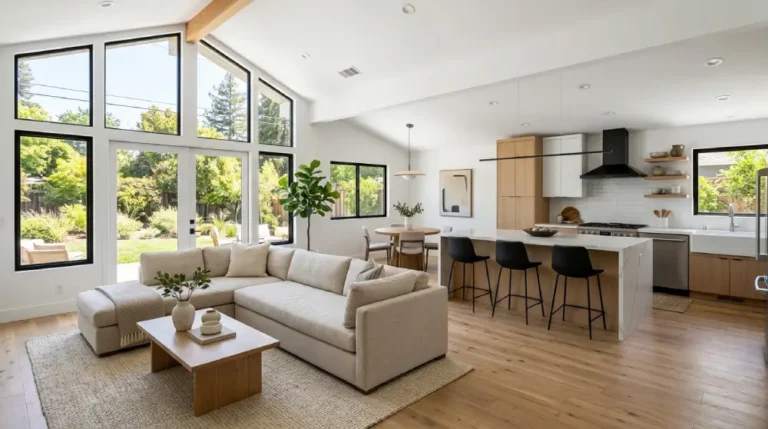

A whole house renovation is one of the most rewarding ways to breathe new life into your living space. Instead of tackling one room at a time, a whole house renovation allows homeowners to reimagine their entire property, improving functionality, comfort, and style from top to bottom. Whether you are updating an older home or reworking a layout that no longer suits your lifestyle, a full renovation gives you the freedom to create a home that truly reflects your needs.
What Is a Whole House Renovation
A whole house renovation refers to the process of updating, repairing, or completely transforming every major area of a home. This can include structural changes, updated electrical and plumbing systems, new flooring, modernized kitchens and bathrooms, fresh paint, and improved insulation. Unlike a single room remodel, this approach looks at the home as one connected system, ensuring every space works together seamlessly.
Why Homeowners Choose Full Renovations
Many homeowners choose a whole house renovation because it allows for consistency in design and function. Rather than mismatched finishes and outdated systems in different parts of the home, a full renovation creates a unified look and improved performance throughout the entire property.
Signs Your Home Needs a Whole House Renovation
Not every home requires a full renovation, but certain signs indicate it may be time for one.
Outdated Layout and Flow
If your home’s layout feels cramped, disconnected, or no longer matches how your family lives, a renovation can open up the space and improve flow between rooms.
Aging Systems and Structural Issues
Old wiring, plumbing leaks, poor insulation, or foundation concerns are strong indicators that a deeper renovation is necessary rather than surface-level fixes.
Constant Repairs
If you find yourself repairing the same issues repeatedly, a full renovation can address the root cause instead of continuously patching symptoms.
Key Areas Covered in a Whole House Renovation

A comprehensive renovation typically touches several major areas of the home.
Kitchen Remodeling
The kitchen is often the heart of the home. Renovation may include new cabinetry, updated countertops, improved lighting, and a more functional layout for cooking and entertaining.
Bathroom Upgrades
Bathrooms benefit from modern fixtures, improved ventilation, updated tiling, and better use of space to enhance both function and comfort.
Flooring and Interior Finishes
Consistent flooring throughout the home creates a cohesive look. Renovation projects often include hardwood, tile, or luxury vinyl flooring paired with fresh paint and trim work.
Electrical and Plumbing Systems
Upgrading outdated systems improves safety and efficiency while supporting modern appliances and technology throughout the home.
Roofing and Exterior Improvements
Many whole house renovations also address the exterior, including roofing, siding, windows, and doors to improve energy efficiency and curb appeal.
Benefits of a Whole House Renovation
Renovating your entire home offers a range of benefits beyond aesthetics.
Improved Functionality
A full renovation allows for smarter use of space, better traffic flow, and rooms that align with how your household actually lives.
Increased Comfort
Updated insulation, HVAC systems, and finishes contribute to a more comfortable indoor environment throughout every season.
Long Term Durability
Replacing aging systems and materials with updated solutions reduces the likelihood of future repairs and extends the life of your home.
Personalized Design
A whole house renovation gives homeowners full control over design choices, allowing every space to reflect their personal style and preferences.
Planning a Whole House Renovation
Successful renovations begin with thoughtful planning and clear goals.
Define Your Priorities
Start by identifying which areas of your home need the most attention and what improvements matter most to your lifestyle.
Work With Experienced Professionals
Partnering with skilled contractors and designers ensures the renovation is executed properly, safely, and in line with your vision.
Create a Realistic Timeline
Whole house renovations often take time, especially when structural or system upgrades are involved. Planning a clear timeline helps manage expectations throughout the process.
Prepare for Temporary Disruptions
Living through a renovation can be disruptive. Planning ahead for temporary arrangements can make the process smoother for your household.
Tips for a Smooth Renovation Process
A few best practices can help ensure your renovation goes as planned.
Communicate Clearly With Your Team
Regular communication with your contractor helps avoid misunderstandings and keeps the project aligned with your expectations.
Stay Flexible
Renovations can uncover unexpected issues, especially in older homes. Staying flexible allows you to adapt without becoming overwhelmed.
Focus on Quality Materials
Choosing durable, high-quality materials ensures your renovation stands the test of time and continues to look great for years to come.
Conclusion
A whole house renovation is a powerful way to transform your living space into a home that truly fits your lifestyle. From updated kitchens and bathrooms to improved systems and finishes, a full renovation creates a cohesive, functional, and comfortable environment. With careful planning and the right team, homeowners can enjoy a smoother renovation process and a home they’ll love for years to come.
FAQs
What does a whole house renovation typically include?
It typically includes updates to kitchens, bathrooms, flooring, electrical and plumbing systems, and overall interior and exterior finishes.
How long does a whole house renovation take?
Timelines vary based on the size of the home and scope of work, but full renovations generally take several weeks to a few months.
Do I need to move out during a whole house renovation?
In many cases, temporary relocation is recommended, especially when structural or major system work is involved.
Can a whole house renovation improve energy efficiency?
Yes, upgrades to insulation, windows, and HVAC systems can significantly improve a home’s overall energy efficiency.
Is it better to renovate the whole house at once or room by room?
Renovating the whole house at once creates a more cohesive design and can be more efficient than tackling rooms separately over time.


