
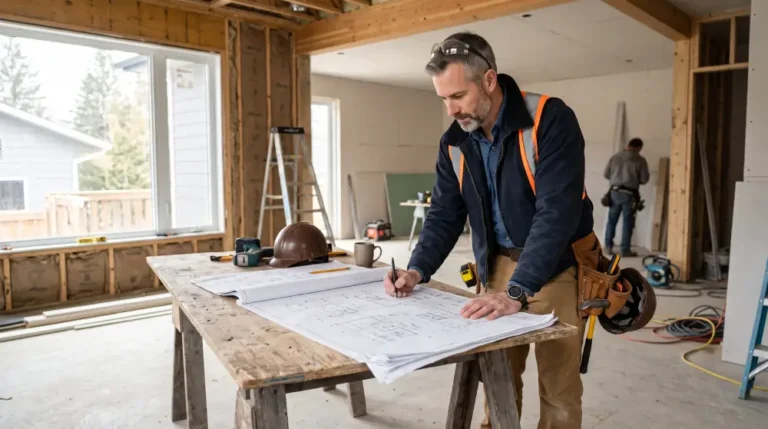

Searching for the best general contractor in my area can feel overwhelming, especially when you are staring at a home renovation project and do not know where to start. Whether you are remodeling a kitchen, adding a new room, or rebuilding after storm damage, choosing the right professional makes all the difference between a smooth project and a stressful one. This guide walks you through everything you need to know about finding, vetting, and hiring a qualified general contractor, so you can move forward with confidence.
- Why Finding the Best General Contractor in My Area Matters
- Key Qualities to Look for in a General Contractor
- Steps to Find the Best General Contractor in My Area
- Questions to Ask Before Hiring a General Contractor
- Red Flags to Watch Out For
- The Importance of a Written Contract
- Communication Throughout the Project
- Final Thoughts on Choosing the Right Contractor
- Frequently Asked Questions
Why Finding the Best General Contractor in My Area Matters
A general contractor is more than just someone who swings a hammer. They are the project manager who coordinates subcontractors, schedules inspections, sources materials, and keeps your renovation on track from start to finish. When homeowners search for the best general contractor in my area, they are usually looking for someone who brings reliability, skill, and clear communication to a project that involves a significant investment of time and money.
Hiring the wrong contractor can lead to missed deadlines, shoddy workmanship, and unexpected costs. On the other hand, working with an experienced and trustworthy contractor can turn a complicated renovation into a manageable, even enjoyable, experience. That is why taking the time to research properly before signing any contract is so important.
Key Qualities to Look for in a General Contractor
When evaluating candidates, keep these key points in mind:
- Proper licensing and insurance for your state or region
- A solid portfolio of completed projects similar to yours
- Clear and prompt communication throughout the bidding process
- Positive reviews and references from past clients
- A detailed written contract that outlines scope, timeline, and payment terms
- Membership in professional trade organizations or accreditation bodies
These qualities are not just nice to have. They are the foundation of a successful working relationship with any contractor you choose.
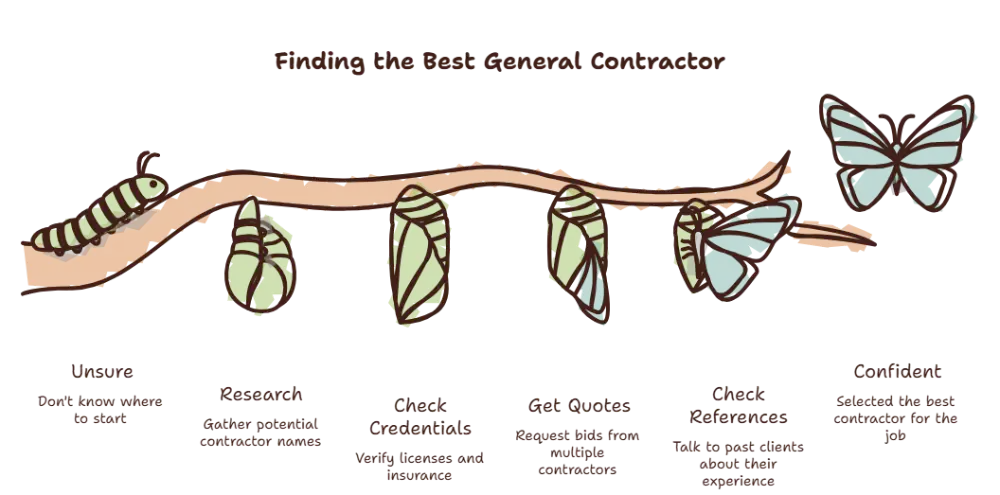
Steps to Find the Best General Contractor in My Area
Start With Local Research
Begin your search by looking at contractors who specifically serve your neighborhood or city. Local contractors understand regional building codes, permit requirements, and climate considerations that out of town companies might overlook. Ask neighbors who have recently completed renovations, check community groups, and browse online directories dedicated to home improvement professionals.
Verify Licensing and Insurance
Before you go any further, confirm that any contractor you are considering holds an active license in your state. Most states have an online portal where you can verify license status and check for any disciplinary history. Insurance is equally important. A reputable general contractor should carry both liability insurance and workers compensation coverage. This protects you from being held financially responsible if an accident happens on your property during the project.
Read Reviews and Ask for References
Online reviews give you a window into how a contractor communicates, handles problems, and delivers on promises. Look for patterns rather than focusing on a single negative review. If you see consistent complaints about missed deadlines or poor communication, take that seriously. Beyond online reviews, ask the contractor directly for two or three references from recent projects similar in size and scope to yours. A confident, experienced contractor will be happy to provide them.
Schedule In Person Consultations
Once you have narrowed your list, schedule consultations with your top candidates. This is your chance to ask questions, share your vision, and gauge how well the contractor listens and responds. Pay attention to how they communicate during this meeting. Are they punctual? Do they ask thoughtful questions about your project? Do they explain things clearly without rushing you? These early interactions often reflect how the entire project will go.
Review the Scope of Work Carefully
A trustworthy general contractor will provide a written scope of work that outlines exactly what will be done, the materials to be used, and the estimated timeline. Read this document carefully and ask questions about anything that seems vague. A clear scope of work protects both you and the contractor by setting expectations from the very beginning.
Questions to Ask Before Hiring a General Contractor
Before you make your final decision, consider asking these important questions:
- How many years of experience do you have with projects like mine?
- Who will be on site supervising the work day to day?
- How do you handle unexpected issues or changes during the project?
- What is your typical timeline for a project of this size?
- Can you provide proof of current licensing and insurance?
Asking these questions upfront helps you avoid surprises later and gives you a clearer picture of how the contractor operates.
Red Flags to Watch Out For
While searching for the best general contractor in my area, it is just as important to know what to avoid. Be cautious of contractors who pressure you to sign a contract immediately, ask for large upfront payments before any work begins, or are unwilling to put agreements in writing. A lack of a physical business address, vague answers about licensing, or an unwillingness to provide references should also raise concern. Trust your instincts. If something feels off during your initial conversations, it is worth continuing your search rather than rushing into a decision.
The Importance of a Written Contract
Once you have chosen a contractor, never proceed without a written contract. This document should clearly outline the scope of work, payment schedule, projected timeline, and procedures for handling changes or unexpected issues. A written contract protects both parties and provides a reference point if disagreements arise later. Take the time to read through every section, and do not hesitate to ask for clarification before signing.
Communication Throughout the Project
Even after hiring a contractor, your role does not end. Staying engaged throughout the project helps catch potential issues early. Set up a regular check in schedule, whether that is a quick phone call each week or a brief site visit. Good contractors welcome this kind of involvement because it keeps everyone aligned and reduces the chance of miscommunication.
Final Thoughts on Choosing the Right Contractor
Finding the best general contractor in my area does not have to be a stressful process if you approach it methodically. Start with local research, verify credentials, read reviews, ask the right questions, and always get everything in writing. A little extra diligence at the beginning of your search can save you significant time, money, and frustration down the road. With the right contractor by your side, your renovation project can become a rewarding experience that adds lasting value to your home.
Frequently Asked Questions
How do I know if a general contractor is licensed in my state?
Most states maintain an online licensing board where you can search by the contractor’s name or license number to confirm their status and check for any complaints or disciplinary actions on file.
What should I expect to pay as a deposit before work begins?
Deposit requirements vary widely depending on the project and region, so it is best to discuss this directly with your chosen contractor and confirm the terms in your written contract rather than relying on a fixed percentage.
How long does it typically take to complete a home renovation?
Timelines depend heavily on the size and complexity of the project, as well as factors like permit approval and material availability. Your contractor should provide a written estimate based on your specific scope of work.
Can I make changes to the project after work has already started?
Yes, most contractors accommodate changes, but it is important to document any modifications in writing and understand how they may affect the timeline and overall cost before proceeding.
What is the difference between a general contractor and a subcontractor?
A general contractor oversees the entire project and coordinates the various trades involved, while a subcontractor specializes in a specific task, such as electrical work, plumbing, or flooring, and works under the direction of the general contractor.


