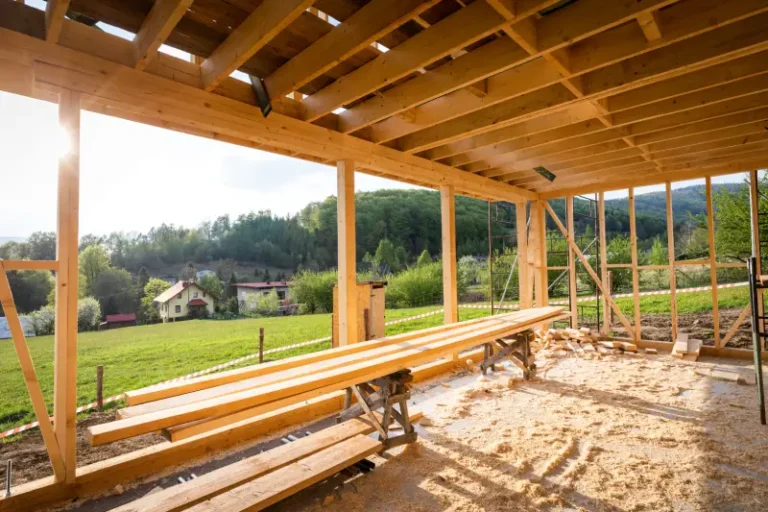

The agricultural industry has witnessed a significant transformation in recent years, with pole barns emerging as a game-changing solution for storage needs. These versatile structures offer cost-effective and durable options for farmers to store equipment, livestock, and crops, making them a popular choice in modern farming. Here’s an in-depth look at how pole barns are revolutionizing agricultural storage.
What Are Pole Barns?
Pole barns are buildings constructed using a post-frame design, where vertical poles or posts are embedded in the ground and connected by horizontal beams. This construction method eliminates the need for a traditional foundation, reducing costs and construction time while maintaining structural integrity.
Benefits of Pole Barns for Agricultural Storage
- Cost-Effectiveness
- Pole barns are significantly more affordable than traditional storage buildings. The use of fewer materials and simpler construction techniques lowers overall costs, making them accessible to farmers with limited budgets.
- Quick Construction
- The straightforward design of pole barns allows for rapid assembly. Farmers can have a fully functional storage facility in a matter of weeks, minimizing downtime and ensuring timely access to storage solutions.
- Versatility
- Pole barns are highly adaptable and can be customized to suit various agricultural needs. Whether it’s storing machinery, housing livestock, or protecting harvested crops, these structures can be tailored to meet specific requirements.
- Durability
- Built to withstand harsh weather conditions, pole barns offer long-lasting protection for agricultural assets. High-quality materials such as steel and treated wood enhance the structure’s resilience against elements like rain, snow, and wind.
- Energy Efficiency
- Pole barns can be designed with insulation and ventilation systems to maintain optimal temperatures, reducing energy consumption and safeguarding sensitive items like perishable crops or livestock.
Applications of Pole Barns in Agriculture
- Equipment Storage
- Farmers can use pole barns to store tractors, plows, and other essential machinery, keeping them safe from weather-related damage and theft.
- Crop Storage
- Pole barns provide a dry and secure environment for storing grains, hay, and other harvested crops, ensuring their quality and longevity.
- Livestock Shelters
- These structures can serve as barns or stables, offering a safe and comfortable space for livestock.
- Workshops and Offices
- Many farmers repurpose pole barns as workshops or offices, creating a functional workspace close to their agricultural operations.
Environmental Impact of Pole Barns
Pole barns are an environmentally friendly choice due to their efficient use of materials and reduced need for extensive excavation. The minimal use of concrete also lowers carbon emissions during construction, contributing to a greener farming practice.
Customization Options for Pole Barns
Farmers can personalize their pole barns with a variety of features, including:
- Doors and Windows: Sliding or overhead doors and strategically placed windows improve functionality and lighting.
- Flooring: Options range from dirt and gravel to concrete, depending on the intended use.
- Insulation: Essential for temperature control in regions with extreme weather.
Frequently Asked Questions
1. What materials are used to construct pole barns?
Pole barns are typically made using treated wood for the posts and beams, with metal or steel panels for the roofing and siding.
2. How long do pole barns last?
With proper maintenance, pole barns can last 40-60 years or more, depending on the quality of materials used and environmental conditions.
3. Can pole barns be insulated?
Yes, pole barns can be insulated to maintain temperature control, making them suitable for storing perishable items or housing livestock.
4. Do pole barns require a building permit?
Most areas require a building permit for constructing a pole barn. It’s important to check local regulations before starting construction.
5. Are pole barns customizable?
Absolutely. Pole barns can be customized with various features like doors, windows, flooring, insulation, and even interior partitions to meet specific needs.
6. Can I convert a pole barn into a residential building?
Yes, with proper modifications and adherence to local building codes, pole barns can be converted into residential homes or living spaces.
7. How much do pole barns cost?
The cost of a pole barn varies depending on its size, materials, and customization options, but they are generally more affordable than traditional buildings.
Conclusion
Pole barns have revolutionized agricultural storage by providing a cost-effective, durable, and versatile solution for farmers. Their quick construction, adaptability, and eco-friendly design make them a preferred choice for modern farming needs. Whether you’re storing equipment, crops, or livestock, pole barns offer an efficient way to protect your valuable assets.
Are you ready to optimize your farm with a pole barn? Contact a local pole barn builder today to explore your options and discover how these innovative structures can enhance your agricultural operations.