
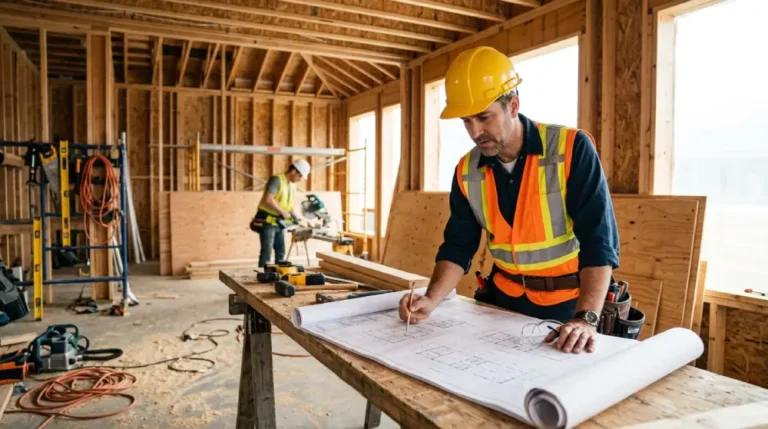

Homeowners planning a renovation often ask how much does a general contractor charge before they even pick up the phone to schedule a consultation. Understanding this topic helps you set realistic expectations, communicate clearly with professionals, and feel confident about the scope of your project. This guide walks through what shapes a contractor’s fees, how their role fits into a renovation, and what you can do to make the entire process smoother.
What a General Contractor Actually Does
A general contractor is the person who oversees your entire construction or renovation project from start to finish. They coordinate subcontractors, manage timelines, handle permits, and make sure everything runs according to plan. Because they are responsible for so many moving parts, their involvement often determines whether a project finishes smoothly or runs into delays.
Project Oversight and Coordination
General contractors act as the central point of contact for everyone involved in a build. They schedule electricians, plumbers, carpenters, and inspectors so that work happens in the right order. This coordination reduces confusion and keeps the project moving forward without unnecessary gaps.
Permit and Compliance Management
Most renovation projects require permits from local authorities. A general contractor typically handles this paperwork, ensuring the project meets building codes and safety regulations. This step protects homeowners from legal issues down the road and keeps the work compliant with local standards.
Factors That Influence a Contractor’s Fee Structure
Every project is different, which means the way a contractor structures their fees can vary widely. Several elements come into play when a contractor calculates what to charge for their services.
Scope and Complexity of the Project
A small repair job requires far less oversight than a full home renovation. Larger, more complex projects demand more coordination, more subcontractors, and more time from the contractor, which naturally affects how they structure their fees.
Experience and Reputation
Contractors with years of experience and a strong portfolio often bring more value to a project through efficiency and problem solving. Their expertise can reduce costly mistakes and keep a project on schedule, which is reflected in how they position their services.
Location and Local Market Conditions
Where you live plays a significant role in how contractors operate. Local labor availability, demand for renovation services, and regional building requirements all shape how a contractor approaches a project.
Type of Fee Arrangement
Contractors typically use one of a few common fee structures. Some charge a flat fee for the entire project, giving homeowners a clear picture of what to expect. Others work on a cost plus basis, where they charge for materials and labor with an additional percentage for their oversight. A third approach involves an hourly rate for smaller or more flexible projects. Each arrangement has its own advantages depending on the size and nature of the work.
How Contractors Estimate a Project
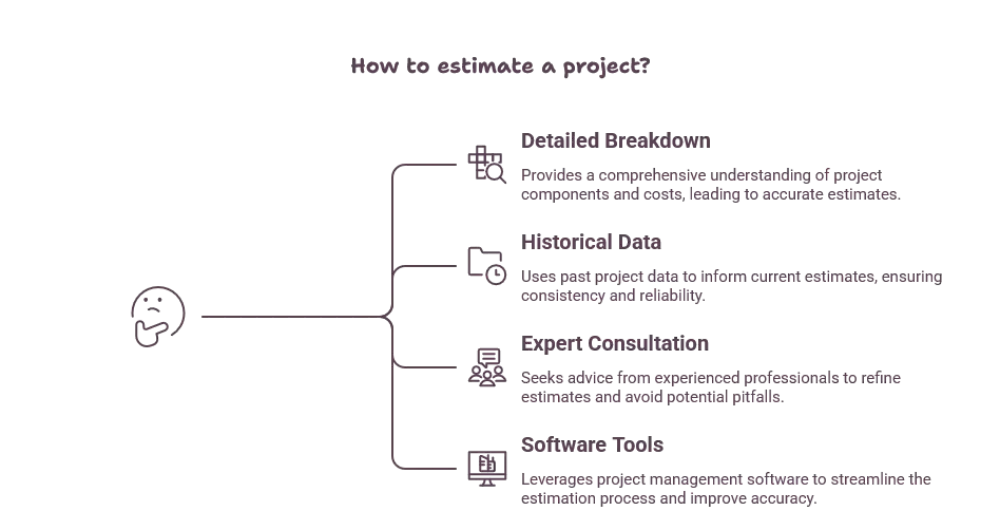
Before any work begins, a general contractor typically visits the site, reviews the scope of work, and evaluates what resources the project will require. This assessment allows them to build a detailed proposal that outlines the work involved and the expected timeline.
Site Visits and Assessments
Walking through the space allows the contractor to identify potential challenges early on, such as structural issues or accessibility concerns. This step is essential for creating an accurate and realistic project plan.
Detailed Written Proposals
A trustworthy contractor provides a written proposal that outlines the scope of work, materials involved, and projected timeline. This document serves as a reference point throughout the project and helps avoid misunderstandings later.
Questions to Ask Before Hiring a General Contractor
Choosing the right contractor involves more than just reviewing a proposal. Homeowners benefit from asking thoughtful questions that reveal how a contractor operates and whether they are the right fit for the job.
Licensing and Insurance
Always confirm that a contractor holds the proper licensing for your area and carries adequate insurance coverage. This protects you in case of accidents or property damage during the project.
Communication Style
A contractor who communicates clearly and promptly can make the entire renovation experience far less stressful. Ask how they plan to keep you updated throughout the project and how they handle unexpected changes.
References and Past Work
Speaking with previous clients or viewing completed projects gives you insight into a contractor’s reliability, craftsmanship, and professionalism. This step helps confirm that their work matches your expectations.
Tips for a Smooth Renovation Experience
Working with a general contractor becomes much easier when both parties understand expectations from the start. Clear communication, a well defined scope of work, and realistic timelines all contribute to a positive experience.
Keep Communication Open
Regular check ins with your contractor help catch potential issues early and keep the project aligned with your vision. Open communication also builds trust throughout the renovation process.
Understand the Timeline
Every project has a realistic timeframe based on its scope. Understanding this timeline in advance helps homeowners plan around construction and avoid unnecessary frustration.
Document Everything
Keeping records of proposals, contracts, and any changes made along the way protects both the homeowner and the contractor. Clear documentation reduces the chance of miscommunication later in the project.
Conclusion
Understanding how much does a general contractor charge starts with recognizing the many factors that shape their fee structure, including project scope, experience, location, and the type of arrangement they offer. By asking the right questions, reviewing detailed proposals, and maintaining open communication throughout the project, homeowners can build a strong working relationship with their contractor and enjoy a smoother renovation experience from start to finish.
FAQs
What does a general contractor do on a renovation project?
A general contractor oversees the entire renovation, coordinating subcontractors, managing permits, and ensuring the project stays on track from start to finish.
How do general contractors typically structure their fees?
Contractors may use a flat fee, a cost plus arrangement, or an hourly rate depending on the size and complexity of the project.
Why does project location affect a contractor’s approach?
Local labor availability, building codes, and market demand all influence how a contractor plans and manages a project in a specific area.
What should homeowners ask before hiring a contractor?
Homeowners should ask about licensing, insurance, communication style, and references to ensure they are choosing a reliable professional.
How can homeowners ensure a smooth renovation process?
Maintaining open communication, understanding the project timeline, and keeping thorough documentation all contribute to a successful renovation experience.


