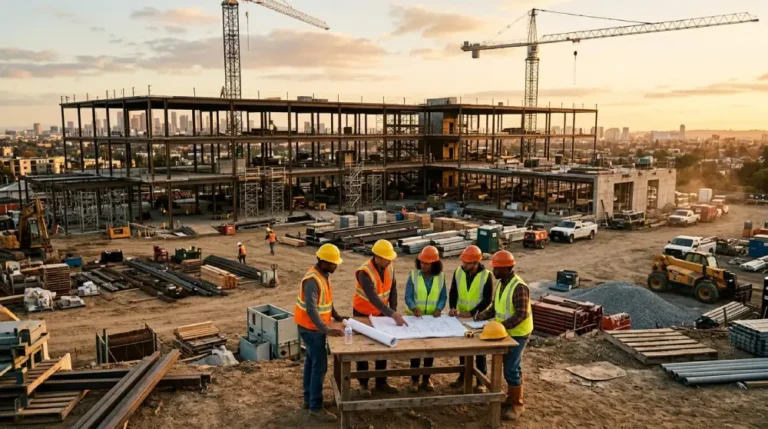

A solid Construction Budget Planning Guide helps teams organize every phase of a project before the first tool touches the site. Good planning brings structure, reduces confusion, and keeps everyone aligned from design through completion. This guide walks through the key stages of preparing a construction project for success, focusing on process, coordination, and smart decision making.
Why Planning Matters in Construction
Every successful build starts with a clear plan. Without one, teams often face delays, miscommunication, and unexpected setbacks. Planning gives structure to a project and helps every participant understand their role.
Setting Clear Objectives
Before any work begins, project goals should be well defined. This includes understanding the purpose of the structure, its intended use, and the expectations of everyone involved. Clear objectives make it easier to measure progress later.
Aligning Stakeholders Early
Architects, engineers, contractors, and clients all need to be on the same page. Early alignment reduces confusion and prevents costly miscommunication as the project moves forward.
Defining Project Scope
Scope defines what will and will not be included in a project. A well written scope document acts as a reference point throughout construction.
Identifying Deliverables
Deliverables should be listed clearly so every team member understands what success looks like. This includes structural elements, finishes, systems, and any specialized components.
Avoiding Scope Creep
Scope creep happens when small changes accumulate without proper evaluation. Keeping a documented scope helps teams recognize when a request falls outside the original plan.
Creating a Realistic Timeline
Timelines guide every phase of construction, from permitting to final walkthrough. A realistic schedule accounts for weather, material availability, and coordination between trades.
Sequencing Project Phases
Each phase of a build depends on the one before it. Sequencing tasks properly avoids bottlenecks and keeps crews working efficiently.
Building in Flexibility
Unexpected issues are common in construction. A flexible timeline allows adjustments without derailing the entire project.
Resource and Material Planning
Proper planning for materials, labor, and equipment keeps a project running smoothly. This step focuses on availability, quality, and logistics rather than specific figures.
Coordinating Material Delivery
Materials should arrive when they are needed, not too early or too late. Poor timing can create storage problems or work stoppages.
Managing Labor Needs
Understanding how many workers are needed at each stage helps avoid overstaffing or shortages. Clear labor planning supports steady progress.
Risk Management in Construction Projects
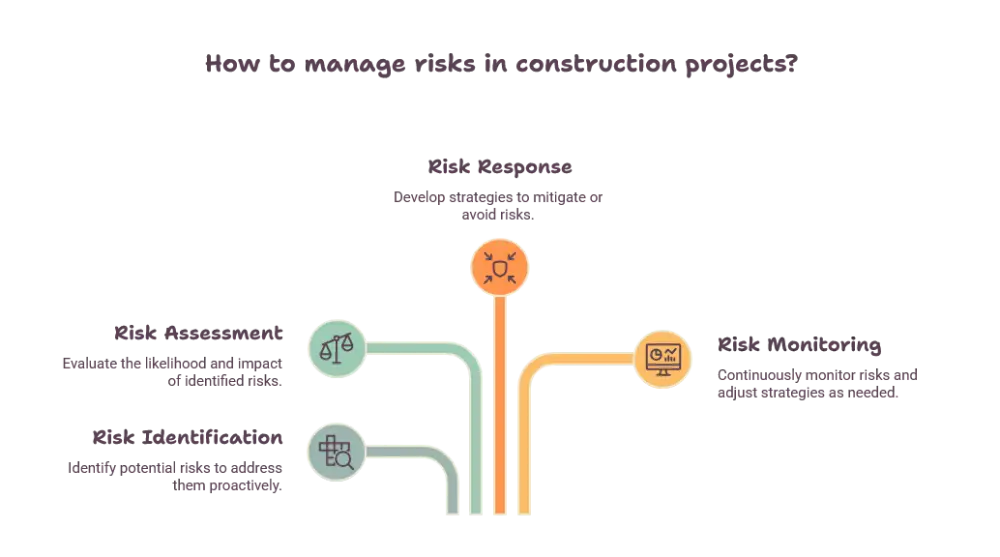
Every project carries some level of risk. Identifying potential issues early allows teams to prepare responses before problems arise.
Common Risk Factors
Weather delays, permitting issues, and design changes are among the most common risks in construction. Recognizing these early helps teams stay prepared.
Creating Contingency Plans
A strong contingency plan outlines steps to take if something goes wrong. This keeps momentum going even when challenges appear.
Communication and Documentation
Clear communication keeps everyone informed and reduces the chance of misunderstandings. Documentation supports accountability throughout the project.
Keeping Records Updated
Daily logs, inspection reports, and progress notes help track what has been completed and what remains. These records also support future reference.
Encouraging Team Collaboration
Regular meetings and open communication channels help teams address issues quickly. Collaboration improves efficiency and morale on site.
Using Technology for Better Planning
Modern tools make construction planning more efficient. Software platforms help teams visualize timelines, track progress, and coordinate tasks.
Project Management Software
Digital tools allow teams to organize tasks, assign responsibilities, and monitor deadlines in real time.
Digital Blueprints and Modeling
Building information modeling and digital blueprints help teams visualize the finished structure before construction begins, reducing errors and improving coordination.
Final Steps Before Construction Begins
Once planning is complete, a final review ensures everything is ready. This includes confirming permits, verifying schedules, and checking that all stakeholders understand the plan.
Conducting a Pre Construction Review
A pre construction review brings the entire team together to confirm readiness. This step catches any remaining gaps before work starts.
Finalizing Documentation
All plans, schedules, and agreements should be finalized and shared with the team. This ensures everyone has access to the same information moving forward.
Conclusion
A thoughtful Construction Budget Planning Guide sets the foundation for a smooth, well organized project. By focusing on scope, timelines, resources, risk management, and communication, teams can move through construction with clarity and confidence. Strong planning does not eliminate every challenge, but it prepares teams to handle them effectively.
FAQs
What is the first step in construction planning?
The first step is defining clear objectives so every stakeholder understands the purpose and goals of the project.
How can teams avoid scope creep?
Teams can avoid scope creep by documenting the project scope clearly and evaluating any requested changes before approving them.
Why is a construction timeline important?
A timeline keeps tasks organized and helps teams coordinate trades, materials, and inspections in the proper order.
What role does technology play in construction planning?
Technology helps teams track progress, manage schedules, and visualize projects through digital tools and modeling software.
How can risk be managed during a construction project?
Risk can be managed by identifying potential issues early and preparing contingency plans to address unexpected challenges.