

Every major landmark, bustling shopping center, and modern office park started as a vision. Turning that vision into a physical reality requires immense coordination, expertise, and resources. That is where a professional commercial construction company comes into play. Selecting the right building partner is one of the most critical decisions a business owner or developer can make, as the success of your entire investment rests on their shoulders.
The commercial building sector is vast and complex, demanding strict adherence to safety regulations, precise budgeting, and rigorous project management. A top-tier commercial construction company does not just pour concrete and erect steel beams. They act as your strategic partner from the initial blueprint phase all the way to the final handover. In this comprehensive guide, we will explore the essential roles these companies play, the different phases of commercial building, and how to identify the perfect contractor for your specific needs.
- Why Hiring an Experienced Commercial Construction Company Matters
- Core Services Offered by a Commercial Construction Company
- Key Phases of a Commercial Construction Project
- How to Choose the Best Commercial Construction Company
- Crucial Factors for a Successful Building Partnership
- The Future of Commercial Building and Sustainability
- Frequently Asked Questions
Why Hiring an Experienced Commercial Construction Company Matters
The scale of commercial development is completely different from residential building. Commercial projects involve intricate zoning laws, advanced structural engineering, and heavy-duty materials meant to withstand high traffic and heavy usage. Working with a dedicated commercial construction company ensures that your project is handled by professionals who understand these unique challenges.
Experienced commercial teams bring a network of trusted subcontractors, deep knowledge of local building codes, and the ability to manage large supply chains. When you hire specialists, you minimize the risk of costly structural errors, legal compliance issues, and severe project delays.
Core Services Offered by a Commercial Construction Company
A full-service commercial construction company manages a wide array of tasks. Depending on the size and scope of your development, their services can be tailored to fit your specific goals. Here are the core offerings you should expect:
- Pre-construction Planning: This involves site selection assistance, feasibility studies, architectural design alignment, and initial cost estimations to ensure the project is viable before breaking ground.
- Project Management: The contractor oversees daily operations on the job site, schedules labor, orders materials, and ensures that everyone adheres to the strict timeline.
- Design-Build Capabilities: Some companies offer a unified workflow where the architects and builders work under the same entity, streamlining communication and reducing friction.
- General Contracting: The primary builder hires and manages specialized subcontractors, such as electricians, plumbers, and HVAC experts, taking full responsibility for their output.
- Post-construction Handover: Before handing over the keys, the builder conducts thorough safety inspections, final cleanups, and walks the client through the functional systems of the building.
Key Phases of a Commercial Construction Project
Understanding the lifecycle of a commercial build helps clients stay informed and manage their expectations. While every project is unique, a standard timeline managed by a commercial construction company follows a distinct sequence.
1. The Planning and Conception Phase
This is where ideas are translated into actionable blueprints. Architects and engineers draft detailed designs while the construction team reviews the plans to ensure they can be built within a reasonable budget and timeframe.
2. Pre-construction and Permitting
Before a single shovel touches the dirt, the commercial construction company must secure the necessary building permits from local authorities. This phase also includes finalizing contracts, securing materials, and preparing the job site.
3. Structural Construction and Core Building
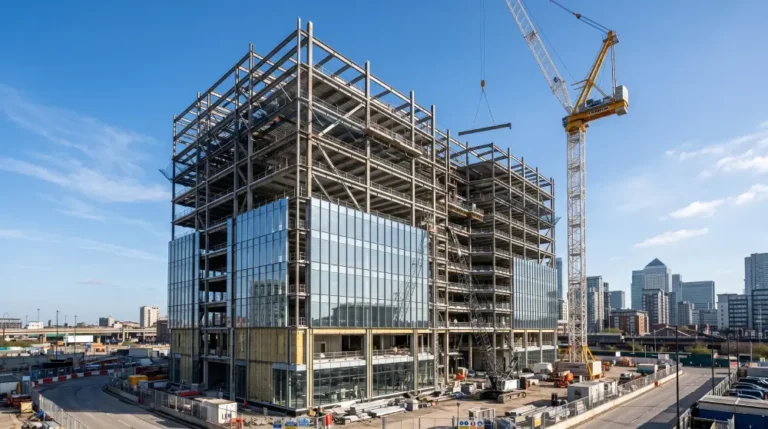
This is the most visible phase of the project. Workers excavate the site, pour the foundation, erect the structural steel skeleton, and build the exterior walls and roofing system to make the building weatherproof.
4. Interior Fit-Out and Systems Installation
Once the shell of the building is secure, specialized crews install the mechanical, electrical, and plumbing infrastructure. This is followed by insulation, drywall, flooring, and interior finishes customized to the client’s business needs.
How to Choose the Best Commercial Construction Company

With so many builders competing for contracts, finding the right commercial construction company requires careful vetting. Your choice will directly impact the quality, safety, and final cost of your building.
Review Their Project Portfolio
Always look closely at a company’s past work. Ensure they have proven experience building structures similar to what you need, whether that is a retail store, a medical facility, an industrial warehouse, or a high-rise office building.
Verify Licensing, Bonding, and Insurance
Commercial building involves significant financial and safety risks. Never work with a commercial construction company that cannot provide up-to-date proof of general liability insurance, worker’s compensation, and proper state licensing.
Assess Communication and Transparency
A great builder communicates openly about potential challenges, material lead times, and labor availability. Look for a team that utilizes modern project management software, giving you real-time updates on your investment.
Check Client References
Speak directly with past clients to learn about their experiences. Ask if the contractor respected the timeline, how they handled unexpected setbacks, and if they maintained a clean and orderly job site.
Crucial Factors for a Successful Building Partnership
A successful building project is built on collaboration. To ensure a smooth journey from breaking ground to the grand opening, keep these key points in mind throughout your partnership with a commercial construction company:
- Define Clear Project Goals: Establish exactly what you need from the space in terms of layout, future scalability, and technological requirements before construction begins.
- Establish a Realistic Timeline: Understand that weather, supply chain disruptions, and permit approvals can cause shifts in the schedule. A buffer should always be built into your launch plans.
- Maintain a Contingency Budget: Unforeseen site conditions or material changes can alter costs. Keeping a financial cushion ensures the project does not grind to a halt.
- Designate a Single Point of Contact: Streamline communication by assigning one individual from your organization to communicate directly with the construction project manager.
The Future of Commercial Building and Sustainability
The commercial building landscape is evolving rapidly. A forward-thinking commercial construction company embraces modern technology and sustainable practices to deliver smarter, more efficient buildings.
Green building certifications have become standard practice for many developers. Utilizing sustainable materials, energy-efficient HVAC systems, and solar readiness not only protects the environment but also drastically reduces the long-term operational costs of the property. Additionally, advanced technologies like Building Information Modeling allow teams to visualize a project in virtual reality, catching structural conflicts before real-world building even starts.
Partnering with a reliable commercial construction company is the single most important step in bringing your commercial real estate goals to life. By focusing on experience, communication, and a proven track record, you can ensure your next building project is a resounding success.
Frequently Asked Questions
What is the difference between a residential and a commercial construction company?
A residential builder focuses on single-family homes and small housing units. A commercial construction company handles large-scale projects intended for business use, such as offices, retail spaces, warehouses, and medical facilities, which require different engineering standards, heavy equipment, and stricter building codes.
How long does an average commercial construction project take?
The timeline varies wildly depending on the size, complexity, and weather conditions of the project. A small retail fit-out might take a few months, while a large, multi-story office building can take anywhere from one to two years to complete.
What is a design-build commercial construction company?
A design-build company handles both the architectural design and the actual building phase under a single contract. This unifies the workflow, improves communication between the designers and builders, and often helps speed up the project delivery timeline.
Why do commercial construction projects experience delays?
Common causes for project delays include severe weather conditions, late delivery of specialized materials, unexpected site conditions during excavation, and slow approval times for municipal building permits.
How can I ensure my commercial building project stays within budget?
The best way to control costs is through extensive planning during the pre-construction phase. Working with an experienced commercial construction company to create highly detailed blueprints and maintaining an honest contingency fund will protect you from financial surprises.


