

As an electrical contractor, you occupy a critical role at the intersection of infrastructure development and daily functionality. Your profession demands a comprehensive understanding of electrical systems, stringent adherence to safety protocols, and the ability to manage multifaceted projects from conception to completion. You are, in essence, an architect of power, providing the unseen arteries that allow modern life to pulse. This exploration delves into the primary duties that define your professional landscape, offering a structured overview of the responsibilities you meticulously uphold.
Your journey as an electrical contractor frequently begins long before the first wire is pulled or the first conduit is laid. The bedrock of any successful electrical installation lies in meticulous design and comprehensive planning. You are tasked with translating a client’s needs and aspirations into a functional, safe, and efficient electrical system.
Interpreting Blueprints and Specifications
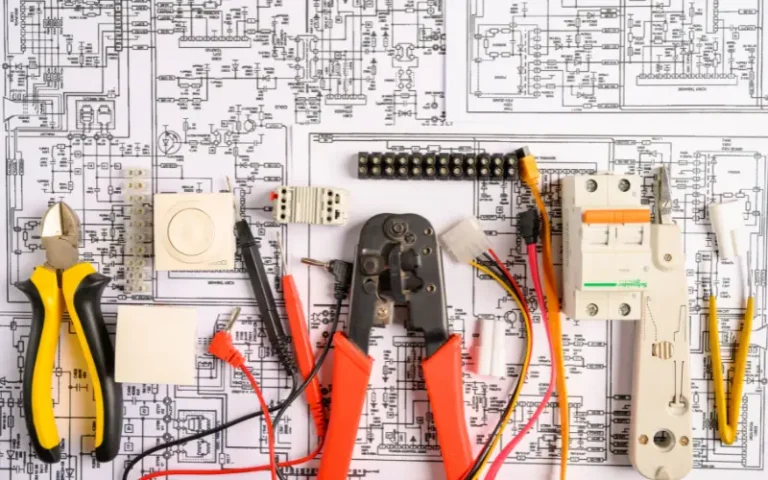
You must possess the acute ability to decipher complex blueprints, architectural drawings, and engineering specifications. These documents are your initial roadmap, detailing the structural layout, intended use of the space, and the specific electrical requirements. Your expertise allows you to identify potential conflicts, foresee challenges, and propose solutions early in the project lifecycle, often before they manifest as costly delays. You understand the symbolism and conventions used in these technical drawings, much like a linguist understands a foreign tongue, enabling you to communicate effectively with architects, structural engineers, and other trades.
Load Calculation and Circuit Design
One of your fundamental responsibilities is to accurately calculate the electrical load for an entire building or a specific system. This involves determining the power requirements of all anticipated appliances, lighting fixtures, and machinery. Based on these calculations, you design the appropriate circuitry, specifying wire gauges, breaker sizes, and the number of circuits needed to safely distribute power. Undersizing can lead to overloaded circuits, fire hazards, and system failures, while oversizing can result in unnecessary material costs and inefficiencies. You are, in this regard, a meticulous balancer, ensuring a stable and efficient flow of electrical energy.
Material Selection and Procurement
Your planning extends to the careful selection of materials. You are responsible for identifying and specifying the correct types of wires, conduits, switchgear, panels, outlets, and lighting fixtures that meet project specifications, budgetary constraints, and relevant electrical codes. This often involves collaborating with suppliers, negotiating prices, and ensuring timely delivery of high-quality components. You must navigate the vast marketplace of electrical products, distinguishing between appropriate and inadequate options, much like a sommelier discerning fine wines.
Code Compliance and Permitting
No electrical project can proceed without strict adherence to local and national electrical codes, such as the National Electrical Code (NEC) in the United States or BS 7671 in the United Kingdom. You are the custodian of these regulations, ensuring that every aspect of your design and installation meets or exceeds these safety standards. This also involves navigating the permitting process, preparing detailed documentation, and submitting plans for approval by regulatory bodies. You are a vigilant gatekeeper, ensuring that all electrical work is conducted within the legal and safety frameworks established to protect property and lives.
Installation and Construction
Once the design and planning phases are complete, your role transitions to the physical execution of the electrical system. This phase demands not only technical proficiency but also strong organizational and project management skills.
Wiring and Conduit Installation
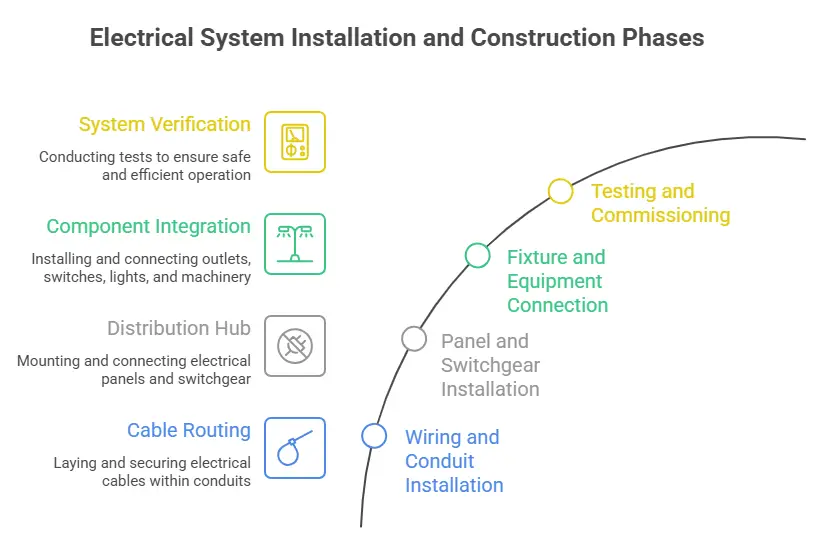
The core of electrical installation involves the precise routing and installation of wiring and conduits. You oversee or directly perform the laying of cables, ensuring they are correctly insulated, properly secured, and protected within conduits or other approved wiring methods. This requires a keen understanding of pathways, clearances, and the structural integrity of the building. You are the weaver of an intricate network, creating the pathways through which electrical energy will flow without obstruction or danger.
Panel and Switchgear Installation
The installation of electrical panels, distribution boards, and switchgear is another critical duty. These components serve as the nerve centers of the electrical system, safely distributing power to various circuits and providing overload protection. Your responsibility includes mounting and connecting these units in accordance with schematics and code requirements, ensuring proper grounding and labeling. You are establishing the control room for the entire electrical operation, ensuring order and safety in the distribution of power.
Fixture and Equipment Connection
Beyond the foundational wiring, you are tasked with connecting a wide array of electrical fixtures and equipment. This includes installing outlets, switches, lighting fixtures, motors, heating and cooling units, and specialized machinery. Each connection requires precision and adherence to manufacturer specifications to ensure proper functionality and safety. You are the final integrator, bringing the individual components of the electrical system to life.
Testing and Commissioning
Upon completion of the physical installation, you conduct rigorous testing and commissioning procedures. This involves verifying continuity, checking for short circuits, measuring voltage and current, and performing insulation resistance tests. The goal is to ensure that the entire system operates as designed, safely, and efficiently. You are the discerning inspector, meticulously scrutinizing your own work to guarantee flawless performance and safety.
Maintenance and Repair
Your duties do not conclude with the initial installation. Electrical systems, like any complex machinery, require ongoing maintenance and occasional repairs to ensure their continued reliability and safety.
Preventive Maintenance Programs
Many contractors offer preventive maintenance services, designing and implementing schedules for routine inspections, cleaning, and testing of electrical components. This proactive approach helps to identify potential issues before they escalate into major problems, extending the lifespan of equipment and minimizing downtime. You act as a watchful guardian, anticipating potential malfunctions and addressing them preemptively, much like a physician practicing preventative medicine.
Troubleshooting and Diagnostics
When electrical problems arise, you are often the first call. You must possess sharp troubleshooting and diagnostic skills to quickly identify the root cause of failures, whether it’s a tripped breaker, a faulty component, or a wiring issue. This requires a systematic approach, using specialized testing equipment and a deep understanding of electrical principles. You are a detective of power, methodically uncovering the source of electrical anomalies.
Emergency Repairs
Electrical emergencies, such as power outages, short circuits that pose fire risks, or equipment failures that halt critical operations, demand immediate attention. You are often on call, ready to respond to these urgent situations, providing rapid and effective repairs to restore power and ensure safety. You become a first responder in the electrical domain, providing crucial intervention when systems falter.
System Upgrades and Retrofits
As technology advances and energy efficiency concerns grow, you are frequently involved in upgrading existing electrical systems. This might include retrofitting older lighting systems with energy-efficient LED technology, upgrading outdated panels, or integrating new smart home or building automation systems. You are an agent of evolution, modernizing and enhancing existing electrical infrastructure to meet contemporary demands.
Project Management and Administration
Beyond the technical aspects of the trade, you must also be an adept project manager and administrator. Your ability to oversee projects, manage resources, and navigate contractual obligations is paramount to your success.
Cost Estimation and Bidding
A fundamental administrative duty is to accurately estimate project costs and prepare competitive bids. This involves calculating labor hours, material costs, equipment rentals, and overhead expenses. Your ability to provide precise and transparent pricing is crucial for securing contracts and managing client expectations. You are a financial architect, constructing a viable cost framework for your services.
Scheduling and Resource Allocation
You are responsible for developing project schedules, allocating personnel, and managing equipment. This requires effective planning to ensure that projects stay on track, meet deadlines, and remain within budget. You must coordinate with other trades, anticipate potential bottlenecks, and adapt to unforeseen challenges. You are the conductor of an orchestra, orchestrating the various elements of a project to achieve a harmonious and timely conclusion.
Team Leadership and Supervision
If you employ a team, you are their leader and supervisor. This involves delegating tasks, providing technical guidance, ensuring adherence to safety protocols, and fostering a productive work environment. You are responsible for the quality of work performed by your team and for their professional development. You are a mentor and a guide, shaping the expertise and performance of your workforce.
Client Communication and Relationship Management
Maintaining clear and consistent communication with clients is vital. You inform them of progress, address their concerns, and manage expectations throughout the project lifecycle. Building strong client relationships through professionalism and reliability is essential for repeat business and positive referrals. You are a diplomat and an advocate, ensuring that client needs are met and that the project unfolds smoothly.
Safety and Compliance
| Main Duties | Description | Typical Tasks | Importance Level |
|---|---|---|---|
| Electrical Installation | Installing electrical systems in residential, commercial, or industrial buildings. | Wiring, installing outlets, lighting fixtures, circuit breakers. | High |
| Maintenance and Repair | Ensuring electrical systems are functioning properly and fixing issues. | Diagnosing faults, replacing faulty components, routine inspections. | High |
| Compliance and Safety | Ensuring all work meets electrical codes and safety standards. | Following local regulations, obtaining permits, safety inspections. | Critical |
| Project Management | Planning and overseeing electrical projects from start to finish. | Scheduling, budgeting, coordinating with other contractors. | Medium |
| Consultation and Design | Advising clients on electrical system design and energy efficiency. | Creating electrical plans, recommending equipment and materials. | Medium |
| Testing and Inspection | Verifying the integrity and safety of electrical installations. | Conducting tests, using diagnostic tools, issuing reports. | High |
Safety is not merely a duty but an immutable principle that underpins every action you take as an electrical contractor. The inherent dangers of electricity necessitate an unwavering commitment to the highest safety standards and regulatory compliance.
Adherence to Safety Standards
You are directly responsible for ensuring strict adherence to all relevant safety regulations, including those set by OSHA (Occupational Safety and Health Administration) in the US or similar bodies internationally. This encompasses everything from proper lockout/tagout procedures, confined space entry protocols, fall protection, and the correct use of personal protective equipment (PPE). You are the vigilant guardian against occupational hazards, safeguarding yourself and your team from the invisible yet potent threat of electricity.
Risk Assessment and Mitigation
Before commencing any work, you conduct thorough risk assessments to identify potential electrical hazards and develop comprehensive mitigation strategies. This involves evaluating the environment, identifying live circuits, and implementing measures to prevent electric shocks, fires, and explosions. You are a proactive protector, anticipating dangers and constructing barriers against them.
Training and Education
You are responsible for ensuring that all personnel working under your supervision are adequately trained in electrical safety procedures and techniques. This includes regular safety briefings, refreshers on best practices, and updates on new safety technologies or regulations. You are an educator by necessity, imparting the crucial knowledge that minimizes risk and saves lives.
Documentation and Reporting
Maintaining meticulous records of safety procedures, incidents, and training is another critical duty. In the unfortunate event of an accident, accurate documentation is essential for investigation and compliance. You are a record-keeper of safety, building a historical account of diligence and adherence to protocols.
In summary, your role as an electrical contractor transcends the simple act of wiring. You are a master of design, a precision installer, a proactive maintainer, an astute project manager, and above all, an uncompromising champion of safety. You provide the foundation for countless aspects of modern life, ensuring that the unseen power flows reliably and safely, illuminating homes, powering industries, and connecting communities.
FAQs
What is the primary role of an electrical contractor?
An electrical contractor is responsible for installing, maintaining, and repairing electrical systems in residential, commercial, and industrial buildings. They ensure that electrical work complies with safety codes and regulations.
Do electrical contractors design electrical systems?
While some electrical contractors may offer design services, their main duty is to implement and manage the installation of electrical systems based on plans created by electrical engineers or designers.
Are electrical contractors responsible for obtaining permits?
Yes, electrical contractors often handle the process of obtaining necessary permits and inspections to ensure that electrical work meets local building codes and safety standards.
What types of projects do electrical contractors typically work on?
Electrical contractors work on a variety of projects including wiring new buildings, upgrading existing electrical systems, installing lighting and power systems, and maintaining electrical infrastructure.
Do electrical contractors supervise other workers?
Yes, electrical contractors frequently supervise electricians and apprentices, coordinate with other construction professionals, and manage project timelines and budgets to ensure successful completion of electrical work.


