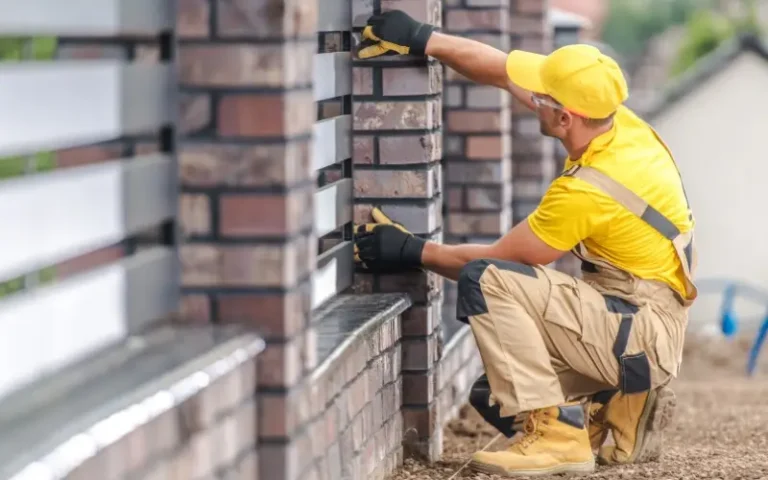

Building a home is one of the most significant investments you’ll make in your lifetime. Choosing the right contractor can mean the difference between a smooth, successful project and a stressful, costly ordeal. To ensure your dream home becomes a reality, you need to find a contractor who is reliable, experienced, and a good fit for your needs. Here are some key steps and tips to help you choose the right contractor for your home build.
Define Your Project Goals and Budget
Before searching for a contractor, outline your project’s scope and budget. Decide on:
- The size and style of your home.
- The materials and finishes you want to use.
- Any specific features or customizations you envision.
- Your overall budget, including a contingency fund for unexpected costs.
Having a clear idea of your expectations will help you communicate effectively with potential contractors and ensure they can deliver on your vision.
Research Potential Contractors
Start by gathering a list of contractors in your area. Look for:
- Online Reviews: Check platforms like Google, Yelp, and Angie’s List for reviews and ratings.
- Referrals: Ask friends, family, or colleagues for recommendations.
- Professional Associations: Verify memberships in organizations like the National Association of Home Builders (NAHB).
- Portfolios: Review their past projects to see if their style aligns with your vision.
Verify Credentials and Licenses
Ensure your contractor is properly licensed and insured. Key documents to request include:
- State Licensing: Verify that their license is up-to-date and valid for residential construction.
- Insurance: Ask for proof of liability insurance and worker’s compensation coverage.
- Certifications: Look for additional certifications that demonstrate expertise and commitment to quality.
Interview Multiple Contractors
Narrow down your list to 3-5 contractors and schedule interviews. During the interviews, ask:
- How long they’ve been in business.
- Their experience with similar projects.
- Whether they can provide references.
- How they handle project timelines and budgets.
- How they address unexpected challenges.
This process will help you gauge their communication style, professionalism, and compatibility with your project.
Check References and Past Projects
Reach out to previous clients to learn about their experiences. Ask questions such as:
- Was the project completed on time and within budget?
- How well did the contractor communicate throughout the process?
- Were there any issues, and how were they resolved?
- Would you hire this contractor again?
If possible, visit some completed projects to assess the quality of workmanship firsthand.
Get Detailed Bids and Contracts
Request detailed bids from your shortlisted contractors. A comprehensive bid should include:
- A breakdown of material and labor costs.
- Payment schedules.
- Estimated timelines.
- Specifics on warranties and guarantees.
Once you choose a contractor, ensure the contract is thorough and includes all agreed-upon terms. Avoid contractors who pressure you into signing vague or incomplete agreements.
Assess Communication and Transparency
Effective communication is critical in any construction project. During your interactions, note whether the contractor:
- Responds promptly to questions and concerns.
- Provides clear explanations.
- Is open to feedback and collaboration.
A contractor who communicates well will help prevent misunderstandings and keep the project running smoothly.
Confirm a Realistic Timeline
Discuss the project timeline in detail before signing the contract. Be wary of contractors who promise overly ambitious completion dates, as this may indicate a lack of experience or a tendency to cut corners.
Ensure the timeline includes milestones for key phases, such as:
- Foundation work.
- Framing and structural work.
- Electrical and plumbing installations.
- Interior and exterior finishes.
Understand Payment Terms
A reputable contractor will provide a clear payment schedule. Typical payment structures include:
- Initial Deposit: Often 10-20% of the total cost.
- Milestone Payments: Payments tied to project milestones.
- Final Payment: Due upon project completion and satisfaction.
Avoid contractors who demand full payment upfront or cash-only transactions.
Monitor Progress Regularly
Once construction begins, stay involved by:
- Visiting the site frequently.
- Holding regular check-ins with the contractor.
- Reviewing progress against the agreed-upon timeline and budget.
Proactive involvement helps ensure the project stays on track and allows you to address any concerns promptly.
Look for Red Flags
Watch out for warning signs, such as:
- Poor communication or unresponsiveness.
- Unusually low bids compared to competitors.
- Lack of references or reluctance to provide them.
- Negative reviews or unresolved complaints.
Trust your instincts and avoid contractors who raise doubts about their reliability or professionalism.
Conclusion
Choosing the right contractor for your home build is a critical step toward achieving your dream home. By taking the time to research, interview, and verify potential contractors, you’ll ensure a smoother construction process and a final result that meets your expectations. Remember, the right contractor will not only deliver quality work but also provide peace of mind throughout the journey.
Invest the effort upfront, and your home-building experience will be as rewarding as the home itself.
Frequently Asked Questions
What should I include in my project goals and budget?
Your project goals should outline the size, style, materials, finishes, and custom features of your home. Include a contingency fund in your budget to cover unexpected costs.
How do I verify a contractor’s credentials?
Check their state licensing, liability insurance, and certifications. Request proof and verify the information with relevant authorities.
Why is it important to interview multiple contractors?
Interviewing multiple contractors helps compare their experience, communication style, and approach to handling timelines, budgets, and challenges, ensuring compatibility with your project.
What should a detailed contract include?
A contract should outline material and labor costs, payment schedules, project timelines, and details about warranties or guarantees. Avoid vague or incomplete agreements.
How can I monitor my project’s progress?
Stay involved by visiting the site, holding regular check-ins with the contractor, and reviewing progress against the agreed timeline and budget to address concerns promptly.