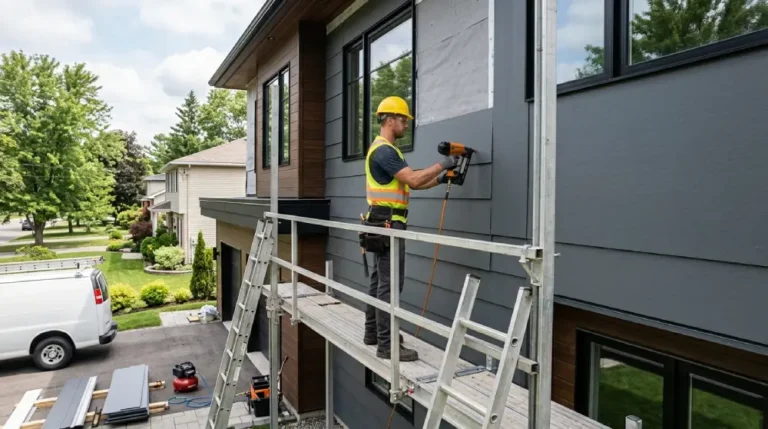

Hiring a qualified siding installation contractor is one of the most important decisions a homeowner can make when it comes to protecting and improving their property. Your siding does more than shape your home’s curb appeal; it shields your walls from moisture, wind, and temperature changes. Choosing the right professional ensures the job is done correctly the first time, saving you from future headaches.
In this guide, we will walk through everything you need to know about working with a siding installation contractor, what to expect during the process, and how to make sure your home ends up looking great and staying protected for years to come.
- Why Professional Siding Installation Matters
- Qualities to Look for in a Siding Installation Contractor
- What to Expect During the Siding Installation Process
- Common Siding Materials Homeowners Choose
- Questions to Ask Before Hiring a Siding Installation Contractor
- Signs You May Need New Siding
- Final Thoughts
- Frequently Asked Questions
Why Professional Siding Installation Matters
Siding is your home’s first line of defense against the elements. When installed poorly, even the highest quality materials can fail early, leading to leaks, warping, or mold growth behind the walls.
A trained siding installation contractor understands proper flashing techniques, moisture barriers, and ventilation requirements. These details are easy to overlook but make a huge difference in how long your siding lasts.
Protecting Your Home’s Structure
Siding acts as a barrier between your home’s frame and outside weather. Improper installation can allow water to seep behind panels, which may cause rot or structural damage over time.
Boosting Curb Appeal
Fresh, well installed siding instantly transforms the look of a home. It gives your property a clean, updated appearance that neighbors and visitors will notice right away.
Qualities to Look for in a Siding Installation Contractor

Not all contractors offer the same level of skill or service. Knowing what separates a great contractor from an average one can save you a lot of frustration.
Proper Licensing and Insurance
Always confirm that a contractor carries proper licensing for your area and holds valid liability insurance. This protects you in case of accidents or property damage during the project.
Experience With Multiple Siding Materials
Vinyl, fiber cement, wood, and metal siding each require different installation techniques. A skilled contractor should be comfortable working with a variety of materials and able to recommend what suits your home best.
Strong Communication Skills
A trustworthy contractor keeps you informed throughout the project. They should explain the installation process clearly, answer your questions, and set realistic expectations about timelines.
Positive Reviews and References
Reading reviews and asking for references gives you insight into how a contractor treats clients and handles challenges. Look for consistent feedback about professionalism, cleanliness, and quality craftsmanship.
What to Expect During the Siding Installation Process
Understanding the general workflow helps you feel more confident and prepared when your project begins.
Initial Inspection and Consultation
The contractor will typically inspect your home’s exterior, check for existing damage, and discuss your goals. This is a great time to ask about material options and timelines.
Removing Old Siding
If you are replacing existing siding, the old material will be carefully removed. This step also allows the contractor to inspect the sheathing underneath for hidden issues.
Preparing the Surface
Before new siding goes up, the surface needs to be cleaned, repaired if necessary, and fitted with a proper moisture barrier. This stage is critical for long term performance.
Installing New Siding
The contractor will install panels or boards according to manufacturer guidelines, paying close attention to alignment, sealing, and ventilation.
Final Walkthrough
Once installation is complete, a professional contractor will walk you through the finished work, address any concerns, and ensure everything meets your expectations.
Common Siding Materials Homeowners Choose
Different materials offer different benefits depending on climate, style preferences, and maintenance needs.
Vinyl Siding
Vinyl is popular for its durability and low maintenance requirements. It resists moisture well and comes in a wide range of colors and styles.
Fiber Cement Siding
Fiber cement is known for its strength and resistance to fire, pests, and rot. Many homeowners choose it for its long lasting performance.
Wood Siding
Wood offers a classic, natural appearance. It does require more upkeep but can be a beautiful choice for the right home style.
Metal Siding
Metal siding is highly durable and works well in areas with harsh weather conditions. It resists warping and offers a modern aesthetic.
Questions to Ask Before Hiring a Siding Installation Contractor
Preparing a list of questions before your consultation helps you evaluate contractors more effectively.
Ask About Their Process
Find out how they handle removal of old materials, moisture protection, and cleanup after the job is finished.
Ask About Warranties
A reliable contractor should offer warranties on both materials and workmanship, giving you peace of mind after installation.
Ask How They Handle Unexpected Issues
Sometimes hidden damage is discovered once old siding is removed. Ask how the contractor communicates and resolves these situations.
Signs You May Need New Siding
Recognizing early warning signs can help you address issues before they worsen.
Visible Cracks or Warping
Cracked, warped, or loose panels are clear indicators that your siding needs attention.
Peeling Paint or Wallpaper Indoors
This can be a sign that moisture is getting behind your exterior walls, often linked to siding failure.
Rising Energy Bills
Damaged siding can reduce insulation efficiency, causing your heating and cooling systems to work harder.
Mold or Mildew Growth
Any signs of mold on interior or exterior walls should be investigated promptly, as this often points to moisture intrusion.
Final Thoughts
Choosing a dependable siding installation contractor is essential for protecting your home and enhancing its appearance. By focusing on experience, communication, and proper licensing, you can feel confident that your project will be handled with care.
Taking the time to research and ask the right questions ensures your new siding performs well for many years while keeping your home safe, comfortable, and visually appealing.
Frequently Asked Questions
How long does siding installation typically take?
Most residential siding installations take between one and two weeks, depending on the size of the home and weather conditions.
Can new siding be installed over old siding?
In some cases yes, but a professional contractor will evaluate the condition of the existing siding to determine if removal is necessary first.
What is the best time of year to install siding?
Siding can be installed in most seasons, though mild weather conditions typically make the process smoother and faster.
How do I know if my siding needs to be repaired or fully replaced?
A contractor can inspect for widespread damage, moisture intrusion, or structural issues to help determine whether repair or full replacement is the better option.
Do siding installation contractors handle insurance claims?
Many contractors are experienced in working alongside insurance providers and can help guide you through documentation if your siding was damaged by a storm or other covered event.